- General Musa and the Battle Ahead – Why Nigeria’s Real Security War Lies Outside the Battlefield
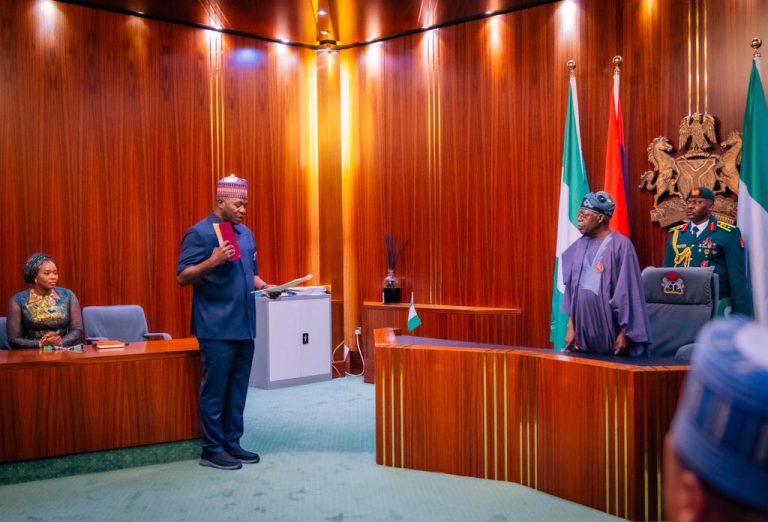
When President Bola Tinubu appointed General Christopher Gwabin Musa as Minister of Defence, the country responded with an unusual harmony that cut across the political and social divide.
From the National Assembly to the streets, from retired officers to civilian observers, Nigerians agreed on one thing: this was one appointment that made sense.
But beyond the applause lies a deeper question that demands scrutiny: is Nigeria finally ready to confront the structures that breed insecurity, or is Musa about to inherit the same machinery that frustrated his efforts as Chief of Defence Staff?
General Musa arrives at the Defence Ministry with a reputation hard-earned on the frontline.
As CDS, he commanded the respect of both the military and the public. He communicated with clarity, deployed troops with urgency, and treated insecurity as a national emergency rather than a political inconvenience.
Yet, he remained constrained by the limits of his former office. He could direct operations but not shape the political forces behind them. He could confront terrorists but not the politicians, clerics, and power brokers who influence the security ecosystem from behind closed doors.
Now, Musa occupies the only seat where military strategy meets political authority.
The Ministry of Defence is more than a coordinating hub; it is the pressure point where procurement interests, policy disagreements, political interference, and inter-agency rivalry collide. What Nigerians view as a moment of hope is, in reality, the beginning of a more complex battle.
One of the key challenges he inherits is the widening gap between federal directives and state-level approaches to insecurity.
Some state governments have become comfortable with negotiation and informal peace deals with armed groups. This practice directly contradicts the decisive military response Musa has always advocated. Without political alignment, his efforts may once again be undermined from within.
Another obstacle is the shadow network of influence shaping public discourse. Prominent figures, including certain clerics, continue to champion dialogue with violent groups, framing armed criminals as misunderstood actors.
These narratives weaken state authority and embolden extremist factions. Musa’s instinct for firm response is bound to clash with these softer advocacy blocs that have built influence by appealing to cultural and religious sentiments.
Then comes the machinery within the defence sector itself procurement interests, intelligence gaps, internal sabotage, and outdated doctrines. Nigeria’s military has long suffered from procurement systems that favour contractors over soldiers, as well as intelligence structures that fail to coordinate information efficiently.
Musa can initiate reforms, but without presidential backing strong enough to override entrenched interests, his actions may be drowned out by bureaucratic resistance.
Where Musa stands apart is in his understanding of these dynamics. He has witnessed the internal sabotage that weakens operations, the information hoarding that compromises missions, and the political interference that dictates strategy.
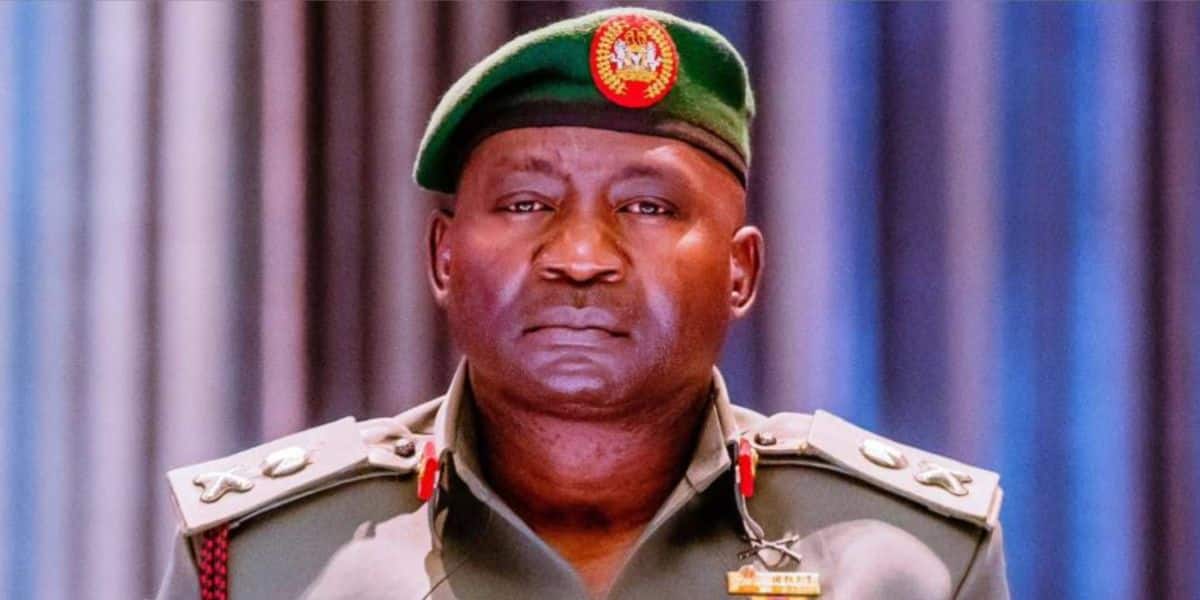
He steps into the ministerial role with full knowledge of the terrain, armed with the credibility of a man who has seen the system from both the frontlines and the command centres.
But the heart of this moment is not about Musa alone. It is a test of national sincerity. The goodwill surrounding his appointment is unprecedented, but goodwill is not the foundation upon which nations defeat insecurity.
What is needed is political courage from the presidency downward to dismantle vested interests, empower reforms, and place national stability above political alliances.
General Musa represents capability, discipline, and clarity of vision. But Nigeria must decide whether it truly wants the change it celebrates. The real question is not whether General Musa is ready for the battle ahead; it is whether the nation is finally ready to confront the enemies within.