- These interventions are designed to reintegrate over 20 million out‑of‑school children
- “We must tell our children that hard work matters,” he said
- He added that solar charging removes infrastructure barriers in remote areas
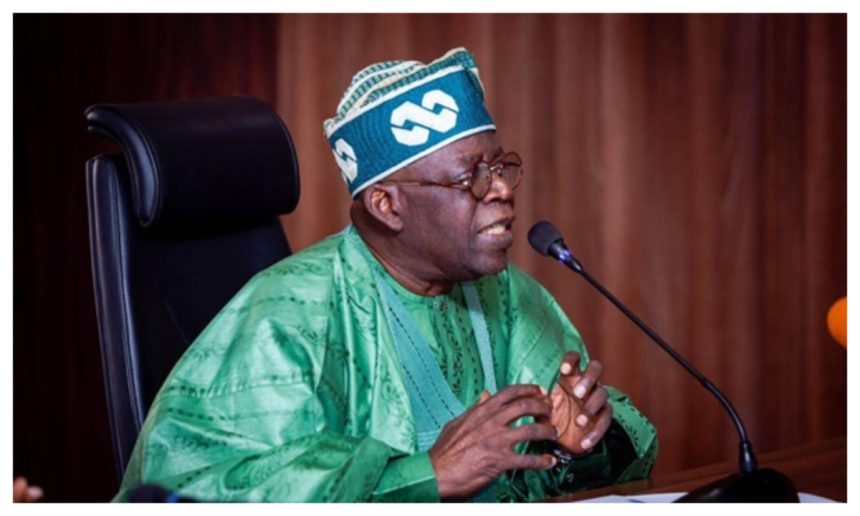
Nigeria’s education sector, long weighed down by chronic underfunding, broken infrastructure, teacher shortages, insecurity and weak policy implementation, is witnessing a strategic reset under President Bola Ahmed Tinubu’s administration, with computer‑based testing (CBT), artificial intelligence (AI) tools, and robust human capital investments taking centre stage in efforts to align the nation with global education standards.
Eko Hot Blog reports that a series of reforms championed by the Federal Government, anchored on substantial budgetary increases, technology adoption, and public‑private collaborations, is now reshaping Nigeria’s learning landscape.
EDITOR’S PICK
- Protests Erupt In Guinea Bissau As Citizens Demand Release Of Detained Opposition Leaders
- ECI, Eko Club London, Lola Ogbara-Alogba, T.J. Abass, OJ Lawal, and Others Mourn the Passing of Titilola Dosunmu
- First Northern Nigeria Education Professor Dies at 94
These efforts come amid deep challenges that have persisted for decades, including massive numbers of out‑of‑school children, skills gaps in key sectors and repeated exam malpractice.
At the heart of the reform agenda is a drive to make examinations credible and merit‑based. During recent inspections of the November/December WAEC GCE at the Lagos State WAEC Training and Testing Centre in Ogba, Lagos, Education Minister Dr Tunji Alausa defended the shift to CBT as critical to stamping out pervasive cheating that has long undermined the integrity of public exams.
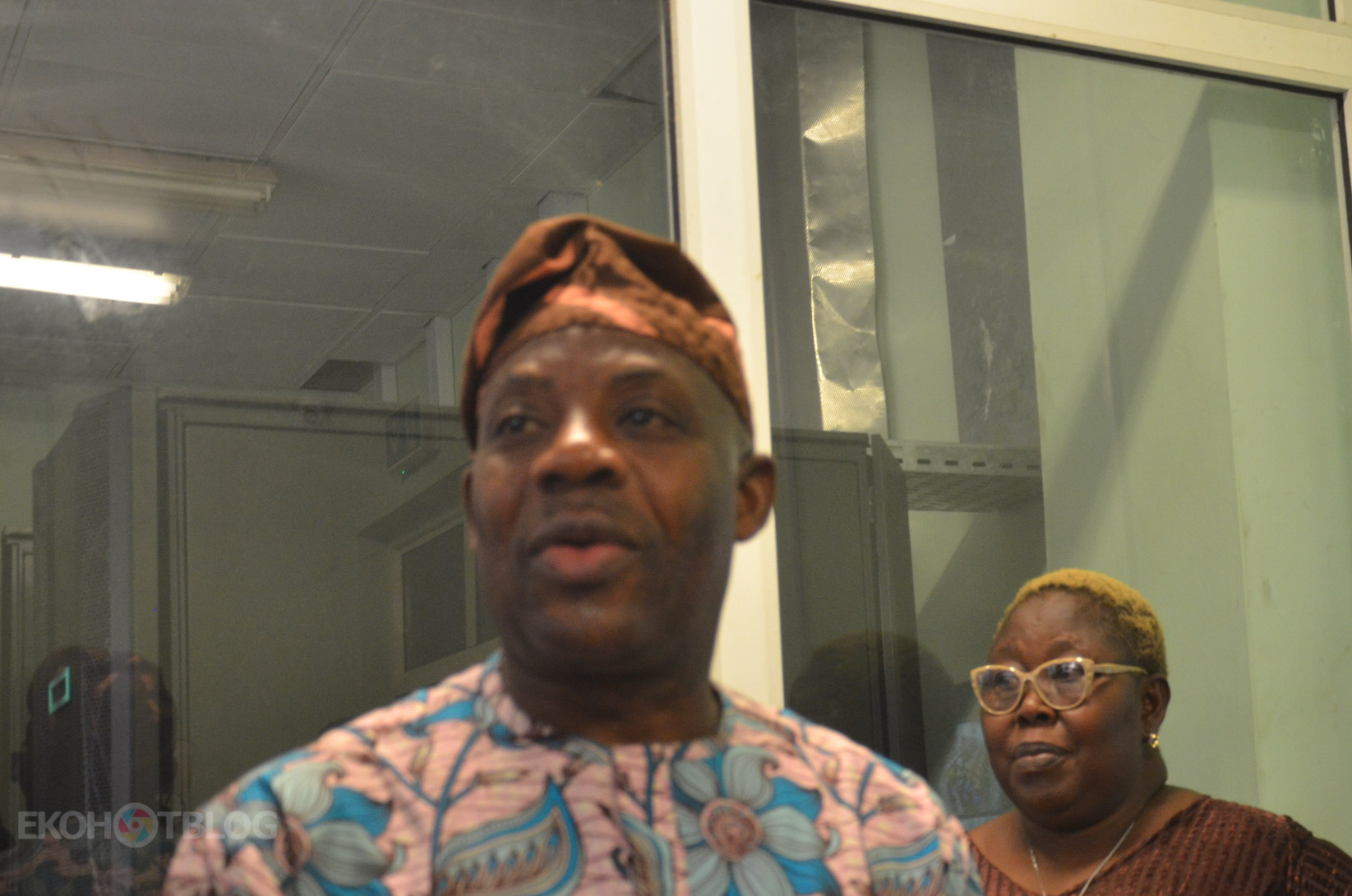
“We are commending WAEC for stepping up to the government directive of instituting CBT. We all know there’s been rampant cheating with WAEC and NECO exams for decades,” Alausa said, responding to concerns about potential rural‑urban disparities in CBT access.
He explained that technology, including solar‑powered tablets, can be deployed even in communities without electricity or fibre optics, ensuring inclusivity across all 36 states.
The minister emphasised that CBT is not complicated technology: “It’s like paper and pencil. Students write their names, answer questions, and demonstrate their knowledge honestly. AI will support markers by highlighting logical responses.”
He added that solar charging removes infrastructure barriers in remote areas and urged subnational governments to invest in basic digital literacy by providing computers to secondary schools.
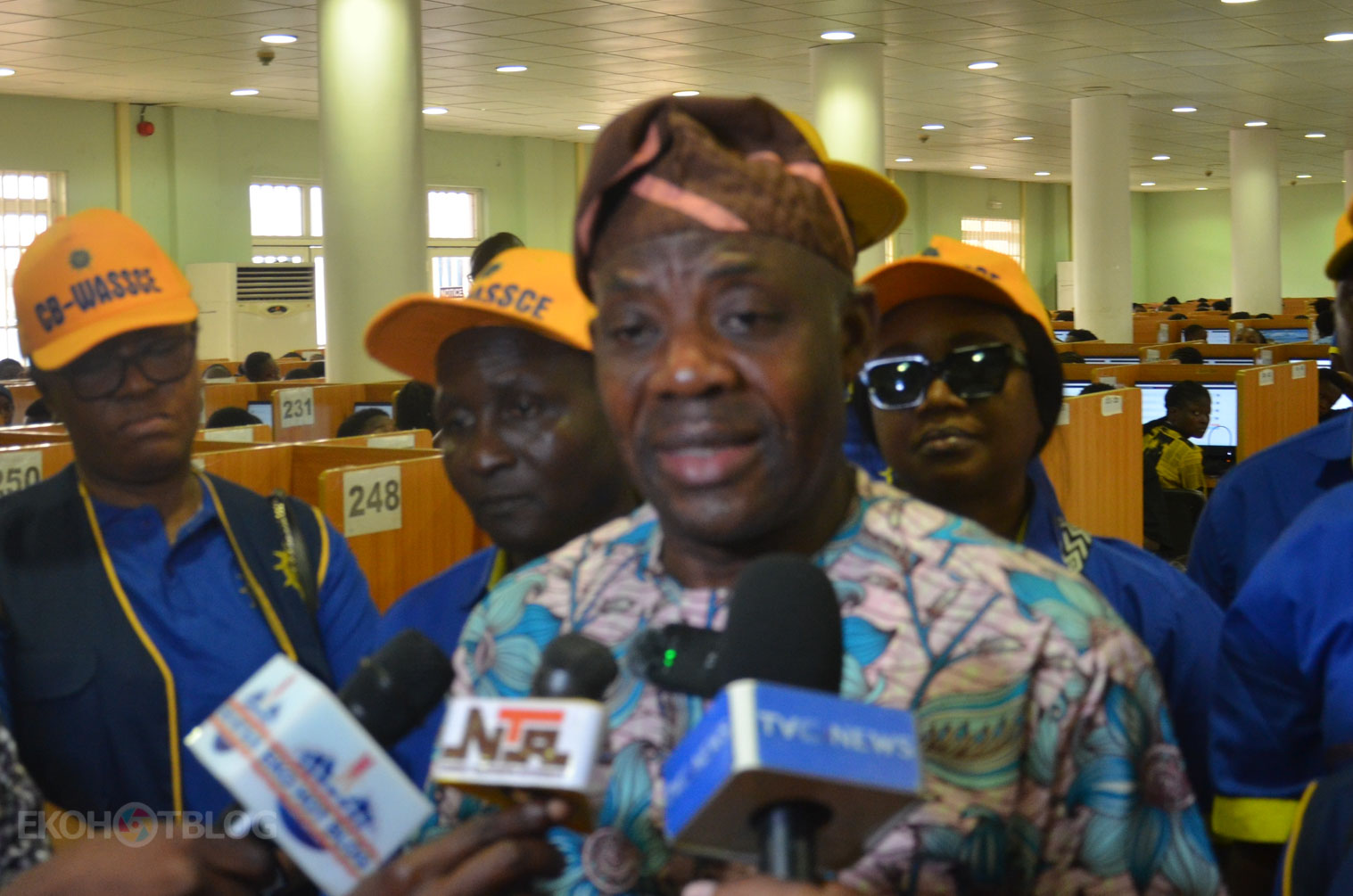
Addressing claims that CBT disadvantages rural students, Alausa said the Ministry is already working with governors and education committees in the National Assembly to mainstream digital assessments. “This is technology for excellence,” he stressed, noting that locally developed platforms are being used to empower students and reduce costs.
Alausa maintained that eliminating malpractice, including the sale of exam questions on “dark sites”, is essential not just for transparency, but for building a strong culture of hard work. “We must tell our children that hard work matters,” he said, citing cases where entire exam cohorts were cancelled due to cheating
The President’s agenda goes beyond exams. In the 2025 federal budget, Tinubu’s administration allocated a record ₦3.52 trillion to education, a 61.47% increase from the previous year, underscoring a renewed emphasis on human capital development as a national priority.
The funding targets infrastructure upgrades, expanded student support, teacher training, digital learning tools and greater access at all levels of education.
Under the Renewed Hope Agenda, Nigeria launched the Data Repository, Out‑of‑School Children Education initiative, Teacher Training and Development, Skill Acquisition programmes, and the DOTS education flagship, which aims to modernise technical and vocational institutions and expand skills‑based learning nationwide.
These interventions are designed to reintegrate over 20 million out‑of‑school children, modernise technical colleges, and introduce dual‑training models that emphasise hands‑on competencies aligned with labour market needs.
FURTHER READING