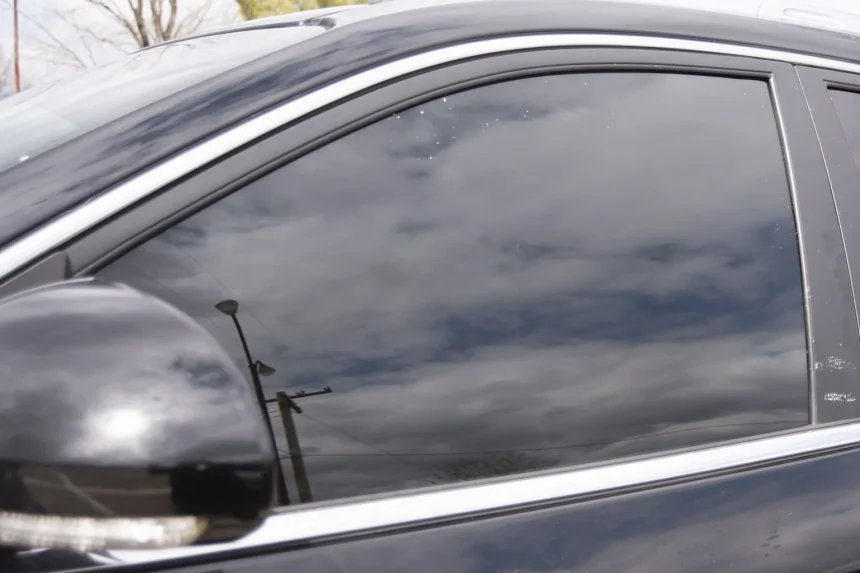
The Nigeria Police Force’s latest announcement that nationwide enforcement of the tinted glass permit policy will resume on January 2, 2026 has once again brought to the fore the longstanding confusion surrounding the regulation.
While the police cite rising security threats and the misuse of unauthorised tinted vehicle glass for crimes such as armed robbery and kidnapping, the decision to delay enforcement raises fundamental questions about consistency, urgency and public safety.
EDITOR’S PICKS
According to the police, enforcement was previously suspended to allow transparency, public convenience and sufficient time for motorists to regularise their documentation.
Yet, in the same breath, the Force insists there is no court order restraining it from enforcing the law and acknowledges that unauthorised tinted glass has become a growing tool for criminal activity. This contradiction lies at the heart of public concern: if tinted vehicles pose such an immediate and serious security risk, it is unclear why enforcement must wait until a future date.

The announcement implies a troubling gap between identified threats and actual action. If criminals are exploiting tinted glass today to conceal their identities and carry out violent crimes, postponing enforcement effectively creates a window in which such activities can continue unchecked. Security concerns, by their nature, do not operate on a calendar, and there is little logic in assuming that those using tinted vehicles for criminal purposes will suspend their activities until January 2.
The recurring cycle of enforcement, suspension and re-enforcement has also undermined public confidence in the policy. Many motorists remain uncertain about what is legal, what documentation is required, and when they are genuinely at risk of arrest or sanction. This inconsistency has, over time, weakened compliance and blurred the line between legitimate regulation and arbitrary enforcement.
By announcing a future enforcement date while highlighting present dangers, the police appear caught between administrative caution and security imperatives. The result is a policy that acknowledges a clear and present risk but responds with delayed action.
FURTHER READING
For a regulation framed as a proactive measure to safeguard lives and property, the delay sends mixed signals and raises the critical question Nigerians continue to ask: if unauthorised tinted glass is truly a security threat, why is its enforcement not treated as an immediate priority?
Philip Ibitoye is a Special Correspondent with EKO HOT BLOG. Click here to find daily analysis and critical insight on trending issues in Lagos and other parts of Nigeria.
Click here to watch the video of the week below: