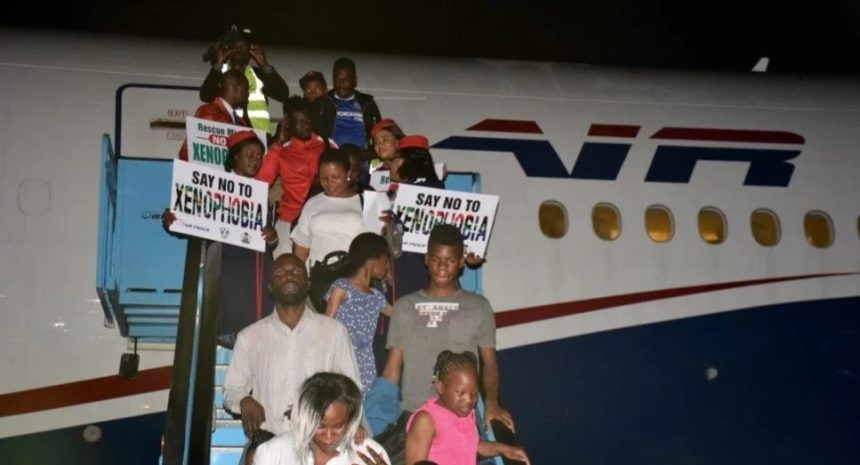
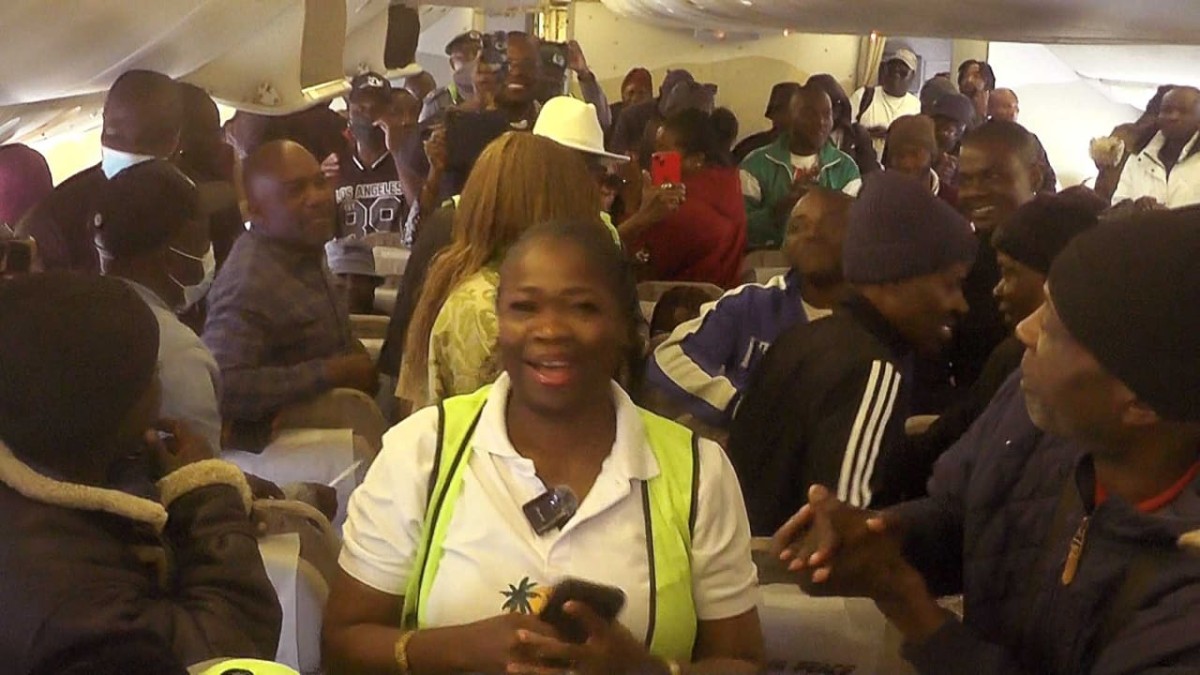
At the Murtala Muhammed International Airport in Lagos on Thursday morning, something unusual filled the arrival hall: relief. Heaves of it. Sighs of gratitude. Bursts of laughter.
For at least 258 Nigerians touching down as the first batch of repatriated citizens from South Africa, the sight of home was enough to dissolve years of pain into tears and embraces.
EDITOR’S PICKS
But behind the joy of return were stories — of discrimination, fear, violence, and survival in a country many had called home for decades.
A Life Put on Hold
Milly Abu had lived in South Africa for 23 years. She built a life in Pretoria, working as a tutor and running a spa studio. But without proper documentation, which she said was nearly impossible to obtain, her business became a liability when authorities began cracking down on undocumented migrants.
“The system is quite difficult,” Abu told TheCable. “You also have to go through a lot of process before you can obtain the papers.”
Forced to shut her studio, Abu retreated largely into domestic life. But even within the walls of her home, South Africa followed her through her children. They returned from school daily with fresh wounds — not always visible, but real.
“Most teachers, they criticise kids that are from outside. They don’t regard them the same way that they regard other kids that are in South Africa,” she said.
Her children heard their nationality weaponised in classrooms. Teachers warned other pupils to be wary of Nigerians, calling them kidnappers. “It actually took a toll on my kids,” Abu said. “The kids would always come back from school and also inform me that, ‘oh, mommy, this is what I went through at school.'”
The discrimination, she added, was not limited to schools. Hospitals too, she said, were places where being African, and Nigerian especially, marked you for different treatment.
‘They Killed My Husband’
Emilia Godwin, 45, was blunter. She arrived home angry, and made no effort to hide it.
“I’m not happy with them. I am still saying it. Now I’m in my country, I have my mouth to speak. They are wicked, they don’t like us,” she told TheCable.
Godwin, who arrived in South Africa in 2014, described a daily existence stripped of dignity. Entering a taxi was a gamble. Being recognised as a foreigner was an invitation to harassment.
“If you enter a taxi, they make jest of you, they pull you. They beat you. We’re just like a slave there; we don’t have mouth to talk. If we talk too much, they will start hitting, speaking their language.”
She said she had watched the signs of xenophobic hostility build over the years but lacked the means to leave. What finally broke her was personal. She alleged that South African women deliberately targeted Nigerian men, entering relationships to gain access to their property. She linked this directly to the death of her husband.
“I will never go to South Africa anymore,” she said. “Even if my child is born there, she will never go to South Africa anymore.”
Papers Were No Protection
Authorities and protesters in South Africa have often framed anti-migrant sentiment around the issue of undocumented foreigners. But for Henry, another returnee, that argument fell apart in practice.
Legal status offered no shield.
“I went through a lot because when they come to you, they will ask you your papers, even when you show your valid papers, they still find something to hold on to,” he said. “Because of that they will try to do one or two things to you, and you will not be happy about that.”
Henry said he was simply glad to have made it back breathing.
“I’m home, this is my country. Nobody will ask me, ‘where is your passport? Where is your document?’ I’m very happy. My parents, my brother, siblings, everybody will welcome me. At least I came back alive. They will see me alive.”
FURTHER READING
For 258 Nigerians, Thursday morning was a second chance. The laughter in that arrival hall was real, but so were the scars they carried home with them.
Philip Ibitoye is a Special Correspondent with EKO HOT BLOG. Click here to find daily analysis and critical insight on trending issues in Lagos and other parts of Nigeria.
Click to watch the video of the week below: