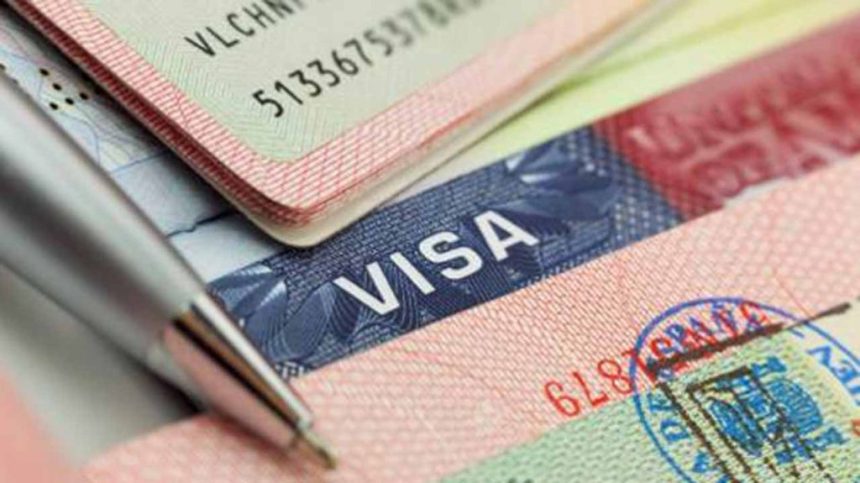
The United States (US) on Tuesday placed Nigeria under partial travel restrictions, citing security concerns and problems with visa overstays.
The decision, announced by the White House through a presidential proclamation, affects how some Nigerians can enter the US and comes amid growing diplomatic and security tensions between both countries.
EDITOR’S PICKS
What the new restrictions mean
Nigeria is among 15 countries facing a partial suspension, not a total travel ban. This means entry into the United States is not completely closed to Nigerians, but certain categories of travel and visa processing will be restricted or more tightly screened.
The White House said its decision was based on “security and documentation” issues. It pointed to the activities of extremist groups such as Boko Haram and the Islamic State in parts of Nigeria, arguing that their presence creates difficulties in screening and vetting travellers.
The US also cited visa compliance data. According to its Overstay Report, Nigeria recorded a 5.56 percent overstay rate for B-1/B-2 visitor visas and 11.90 percent for student and exchange visas (F, M, and J categories). US officials say these figures raise concerns about immigration enforcement.
Unlike Nigeria, countries such as Burkina Faso, Mali, and Niger are now under full travel suspension, meaning their nationals face near-total entry restrictions.
How Nigeria ended up on the list
Nigeria was not included when President Donald Trump imposed a full travel ban on 12 countries earlier this year or heightened restrictions on seven others. However, pressure built over time.
US lawmakers and advocacy groups intensified claims of religious persecution, especially against Christians, in Nigeria. In October, Trump officially redesignated Nigeria as a Country of Particular Concern (CPC), blaming radical Islamist violence for what he described as mass killings.
Tensions deepened further this year. In July, the US reduced the validity and entry limits of most non-immigrant visas issued to Nigerians, cutting them to three months with a single entry. It cited visa reciprocity issues, though diplomatic sources said Nigeria’s refusal to accept asylum seekers deported from the US also played a role.
Earlier this month, the US announced new visa restrictions targeting Nigerians accused of undermining religious freedom, with Secretary of State Marco Rubio saying the policy would affect individuals who authorize or support such violations.
What happens next
Despite the restrictions, talks between both countries are ongoing.
US Congressman Riley Moore recently said Nigeria and the US were close to agreeing on a strategic security framework to combat terrorism. He made the comment after meeting Nigeria’s National Security Adviser, Nuhu Ribadu, during a visit to the country.
Nigeria’s Foreign Affairs Minister, Yusuf Tuggar, also met the US ambassador to Nigeria, Richard Mills, on Monday. While details were not disclosed, the US embassy said Washington looked forward to continued cooperation on shared concerns.
FURTHER READING
For now, Nigerians planning to travel to the US should expect stricter scrutiny, possible delays, and tighter visa conditions, while both governments negotiate security, immigration, and diplomatic issues shaping the new policy.
Philip Ibitoye is a Special Correspondent with EKO HOT BLOG. Click here to find daily analysis and critical insight on trending issues in Lagos and other parts of Nigeria.
Click here to watch the video of the week below: