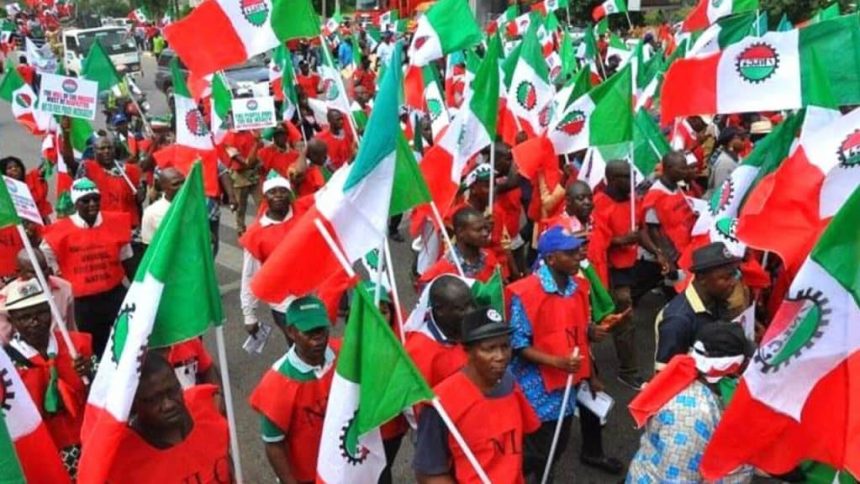
- Ajaero, said Nigerian workers have slipped to the bottom of the ladder when compared with their counterparts across Africa
- He noted that rising prices, declining purchasing power and stagnant wages have made it increasingly difficult for workers to meet basic needs
- He added that food now consumes as much as 80 per cent of household income in many Nigerian homes
The Nigeria Labour Congress (NLC) has raised alarm over what it described as an unprecedented survival crisis confronting Nigerian workers and citizens, blaming soaring inflation, worsening insecurity, low earnings and the breakdown of social safety systems.
Eko Hot Blog reports that the labour body said the level of hardship facing Nigerians today is more severe than what many endured during the civil war or past austerity periods, stressing that economic hardship has become the daily reality for the working population.
EDITOR’S PICK
- Confusion of Police Tinted Glass Permit Enforcement
- Ibeju-Lekki Chairman Inaugurates Security Committee to Strengthen Community Safety
- Court Upholds NCPC, NAHCON Acts, Dismisses Constitutional Challenge
Speaking while reviewing the country’s economic conditions, NLC President, Joe Ajaero, said Nigerian workers have slipped to the bottom of the ladder when compared with their counterparts across Africa, including those in conflict-ridden nations like Somalia and Sudan.
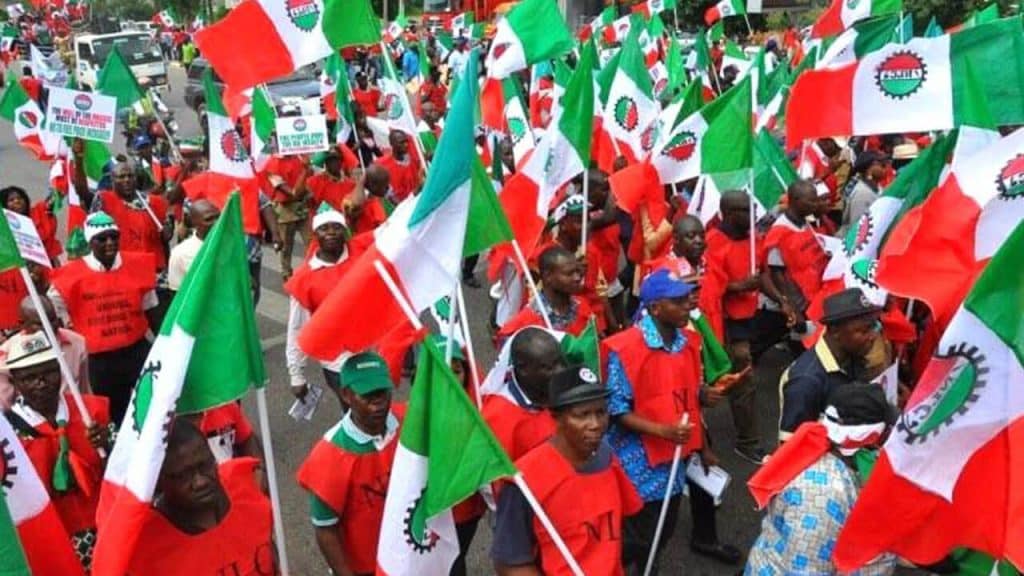
He noted that rising prices, declining purchasing power and stagnant wages have made it increasingly difficult for workers to meet basic needs, warning that employment no longer guarantees survival for many households.
According to Ajaero, inflation levels above 30 per cent, currency depreciation and rising fuel costs have sharply increased food, transportation and housing expenses, leaving workers with little room to save or plan for the future.

He added that food now consumes as much as 80 per cent of household income in many Nigerian homes, while weak social protection, multiple taxes, poor infrastructure and insecurity continue to worsen financial pressure on workers.
The NLC warned that unless urgent steps are taken to stabilise the economy, improve wages and strengthen social protection, the crisis could further erode workers’ wellbeing and undermine national productivity.
FURTHER READING