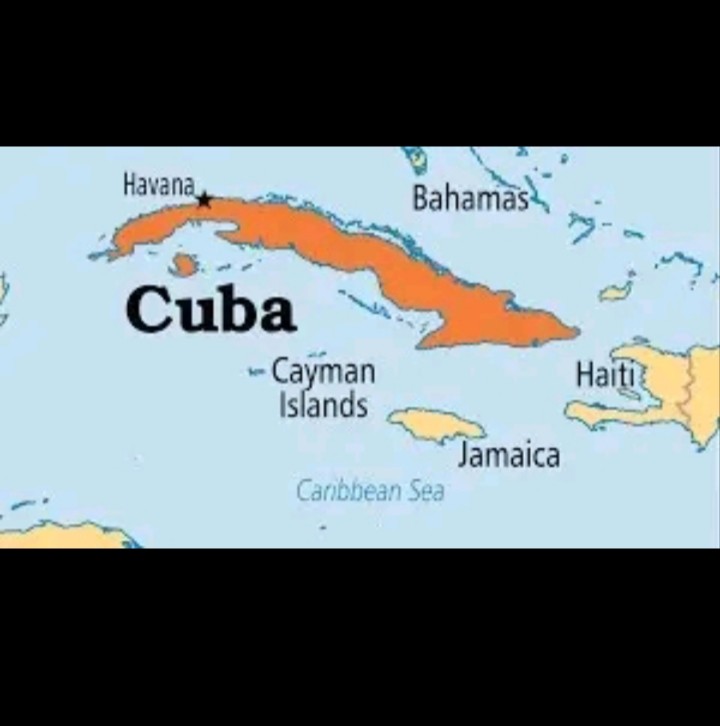
- Cuban authorities began freeing 2,010 inmates on Friday, April 3, 2026, marking the second such pardon in less than a month.
- The “humanitarian gesture” for Holy Week follows U.S. President Donald Trump’s recent decision to ease an oil blockade, allowing a Russian tanker to deliver crude to the island.
- The pardon specifically excludes those convicted of murder, sexual assault, and “crimes against authority,” the latter being a charge frequently used against political protesters.
The emotional scenes at Havana’s La Lima penitentiary on Friday marked the start of a massive prisoner release, as Cuban authorities began freeing 2,010 inmates following a government-ordered pardon.
Eko Hot Blog reports that the move, described by the Cuban state as a “humanitarian and sovereign gesture” to coincide with Holy Week, follows a similar release of 51 prisoners just last month.
EDITOR’S PICKS
- Judge Frees 37 Inmates Over Prolonged Detention in Akwa Ibom
- Trump Threatens Iran Over Energy Attacks
- Tinubu Excludes Kemi Badenoch from UK State Visit Itinerary
Dozens of inmates were seen emerging from the facility in east Havana, clutching release papers and reuniting with weeping relatives who had kept vigil outside the prison walls since dawn.
Among those freed was 46-year-old Albis Gainza, who had served half of a six-year sentence for robbery. “Thank you for this opportunity that they gave us,” Gainza told reporters, echoing the relief shared by many families present.
While the Cuban government has not officially linked the pardons to ongoing negotiations with the United States, international analysts suggest the timing is far from coincidental.
The release comes just days after U.S. President Donald Trump eased a de facto oil blockade, allowing a Russian tanker to deliver crude to the fuel-starved island.
Andres Pertierra, a historian of Cuba at the University of Wisconsin, characterized the event as part of a long-standing pattern.
“There is a song and dance about how it has nothing to do with negotiations when it clearly does,” he noted. Despite the gesture, the U.S. State Department remains cautious, calling for the “immediate release of hundreds of other brave Cuban patriots” who remain behind bars.
Rights groups, including Justicia11J and Cubalex, have expressed mixed reactions.
While acknowledging the immediate relief for families, they warned that the pardon excludes those convicted of “crimes against authority”—a legal category frequently used to target political protesters and activists.
According to official government criteria, the pardon is reserved for inmates with good behavior, those suffering from health issues, and individuals nearing the end of their sentences.
However, those convicted of murder, sexual assault, drug-related crimes, and the illegal slaughter of livestock remain ineligible.
With approximately 775 political prisoners still in detention following the massive 2021 anti-government protests, the international community continues to monitor whether this “goodwill” gesture marks a genuine shift in policy or a temporary tactical move in response to extreme economic and diplomatic pressure.