- He also criticised successive administrations for failing to deliver lasting electoral reforms
- Amaechi revealed that he has been holding consultations with various political stakeholders ahead of the 2027 polls
- opposition politics has been dominated by ethnic and regional calculations rather than serious engagement with governance
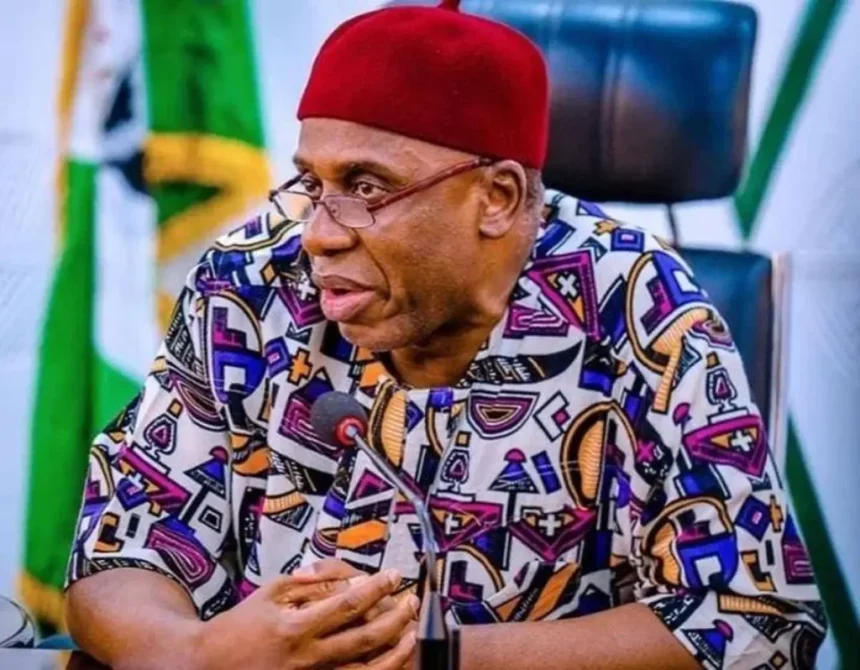
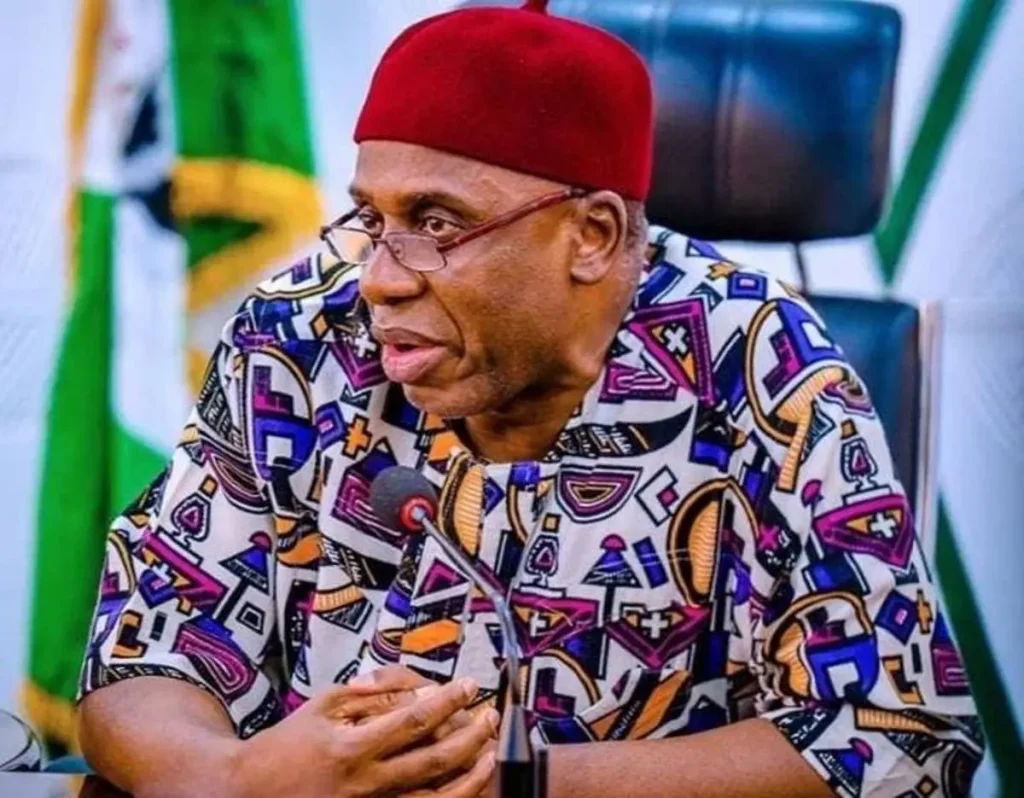
Former Minister of Transportation and African Democratic Congress (ADC) chieftain, Rotimi Amaechi, has argued that Nigeria’s electoral difficulties stem less from the power of incumbency and more from the persistent weaknesses within opposition parties.
Eko Hot Blog gathered that speaking at a public lecture in a video that gained traction on Friday, Amaechi rejected the idea that President Bola Tinubu is unbeatable, insisting that disunity and poor strategy among opposition forces remain their biggest obstacle.
EDITOR’S PICK
- Dollar to Naira Exchange Rate Tuesday, 13 January 2026
- Lagos Assembly Approves ₦4.44 Trillion Budget for 2026
- NANS Mobilises Nationwide Protest Over Tax Reform Law
His comments come against the backdrop of prolonged internal crises across opposition parties, marked by factional disputes and defections that have blunted their ability to effectively challenge the ruling All Progressives Congress (APC).
While some opposition figures have accused the APC of engineering these divisions through inducements and defections, Amaechi dismissed such claims, placing responsibility squarely on the opposition itself.
According to the former Rivers State governor, opposition politics has been dominated by ethnic and regional calculations rather than serious engagement with governance, policy direction, and national renewal.
He lamented that discussions within opposition circles often revolve around power-sharing arrangements and tenure debates, rather than addressing the country’s worsening socio-economic conditions or offering credible alternatives to voters.
Amaechi also linked elite political manoeuvring to voter disengagement, noting that citizens often end up serving the ambitions of political leaders rather than shaping the direction of governance.
The ADC, he noted, emerged in July 2025 as a coalition platform adopted by opposition leaders seeking to unseat Tinubu in the 2027 general election.
Amaechi joined the party that month, followed by former Vice President Atiku Abubakar in November and former Anambra State Governor Peter Obi on December 31, all of whom are eyeing the party’s presidential ticket.
In the viral footage, Amaechi revealed that he has been holding consultations with various political stakeholders ahead of the 2027 polls, focusing on strategies to secure victory.
He also criticised successive administrations for failing to deliver lasting electoral reforms, citing the stalled reform efforts during former President Muhammadu Buhari’s tenure despite legislative approval.
Amaechi argued that entrenched interests ultimately blocked meaningful change, even when Buhari appeared willing to make electoral reform a defining legacy of his administration
.
Drawing from his experience coordinating Buhari’s campaigns, Amaechi stressed that citizen mobilisation, rather than government goodwill, remains the most effective safeguard against electoral manipulation.
He warned that persistent claims of predetermined election outcomes only deepen voter apathy, which in turn strengthens the ruling party’s chances at the polls.
According to him, true electoral reform begins with active citizen participation and a collective refusal to disengage from the democratic process.
Amaechi concluded by urging Nigerians to prioritise competence and capacity over ethnic or regional sentiments when choosing leaders, arguing that only qualified and resolute leadership can drive meaningful national transformation.
FURTHER READING