- Tinubu Eyes Northern Christian Leaders as 2027 Running Mate Talks Intensify
- Four names have gained recurring mention as figures under consideration
- Political observers say the renewed focus on Dogara, Musa, Mutfwang and Kukah goes beyond symbolism
Barring any last-minute recalibration, emerging political signals suggest that President Bola Ahmed Tinubu may be quietly weighing a shortlist of prominent northern Christian leaders as potential running mates ahead of the 2027 presidential election, Eko Hot Blog reports.
EDITOR’S PICK
- Pune Murder: Nigerians Held for Beating Friend to Death Over Romantic Dispute
- Opposition’s Outrage Over US Lobbying “Orchestrated and Misguided” – APC
- PHOTOSTORY: Family and Friends Pay Tribute to Erelu Aminat Titilo
Across political circles and media platforms, four names have gained recurring mention as figures under consideration within the ruling All Progressives Congress (APC). They include former Speaker of the House of Representatives Yakubu Dogara, Minister of Defence Lt.-Gen. Christopher Musa (retd.), Plateau State Governor Caleb Mutfwang, and the Catholic Bishop of Sokoto Diocese, Most Rev. Matthew Hassan Kukah.
Sources familiar with internal APC conversations say the emerging deliberations reflect a strategic effort to recalibrate political balance, particularly along religious and regional lines. All four figures are from northern Nigeria’s predominantly Christian constituencies, a factor analysts say is central to the current calculations.
Although the President retains full constitutional authority to select a running mate from any region or faith, renewed focus on inclusivity has become a dominant undercurrent within the party.
The discussions are unfolding against the backdrop of sustained criticism of the Muslim–Muslim ticket that defined the APC’s 2023 campaign, a decision that drew sharp reactions locally and attracted international attention, including calls from United States officials for broader representation in Nigeria’s leadership structure.
Christian associations, civil society groups and community leaders, particularly in parts of the North, have repeatedly linked political exclusion to worsening insecurity in their regions.
They argue that visible representation at the highest level of government could strengthen trust, national cohesion and a sense of shared ownership of the Nigerian state.
On the other hand, northern Muslim groups have countered that insecurity is not faith-specific, pointing to the widespread impact of Boko Haram, ISWAP, banditry and mass kidnappings across communities, regardless of religious identity. They caution against framing national security challenges solely through a religious lens.
Within this context, political observers say the renewed focus on Dogara, Musa, Mutfwang and Kukah goes beyond symbolism.
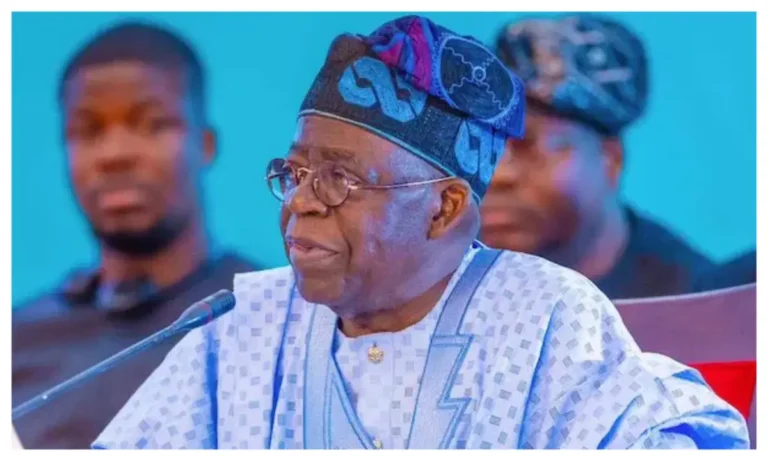
Each figure represents a different strand of influence: legislative experience, military authority, sub-national executive leadership, and moral persuasion rooted in faith. The critical question, analysts argue, is which of them, if any can deliver both electoral value and national reassurance in a deeply polarised environment.
Beyond religious balance, analysts insist that the defining criteria for 2027 must extend to economic competence, national stability, and the ability to unify Nigeria’s 6 geopolitical zones and 774 local government areas under a shared vision of governance.
As the 2027 election cycle gradually takes shape, insiders expect conversations around Tinubu’s potential running mate to intensify, shaping internal alignments within the APC and influencing broader political calculations across the country.
FURTHER READING
- Malami’s Lawyers Return to Court Over Fresh Concerns Over Bail Surety
- BBNaija Star Liquorose Mourns Father’s Death
- South Korean Ex-President Yoon Jailed Over Martial Law Plot
Click here to watch video of the week