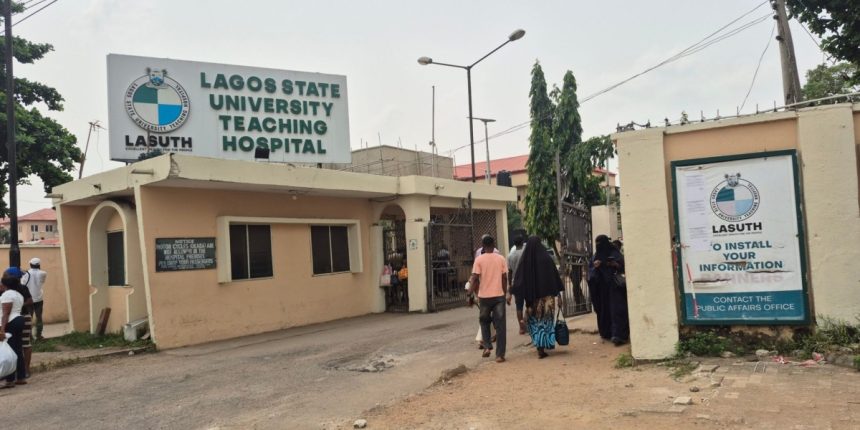
For nearly two months, public hospitals and health facilities across Lagos State have operated at reduced capacity as members of the Joint Health Sector Unions (JOHESU) maintain an industrial action that began on December 3, 2024.
The strike, affecting approximately 85 per cent of the state’s health workforce, has disrupted access to medical services across the state.
EDITOR’S PICKS
The industrial action combines both national grievances and state-specific demands. While the immediate trigger was a nationwide JOHESU action, the Lagos chapter is also pursuing local demands that the union says have remained unresolved for years.
The Core Dispute: National and Local Demands
At the national level, JOHESU is demanding the adjustment of the Consolidated Health Salary Structure (CONHESS). Introduced in 2009 alongside the Consolidated Medical Salary Structure (CONMESS) for doctors, CONHESS has not been reviewed whilst CONMESS has received three separate adjustments over the same period.
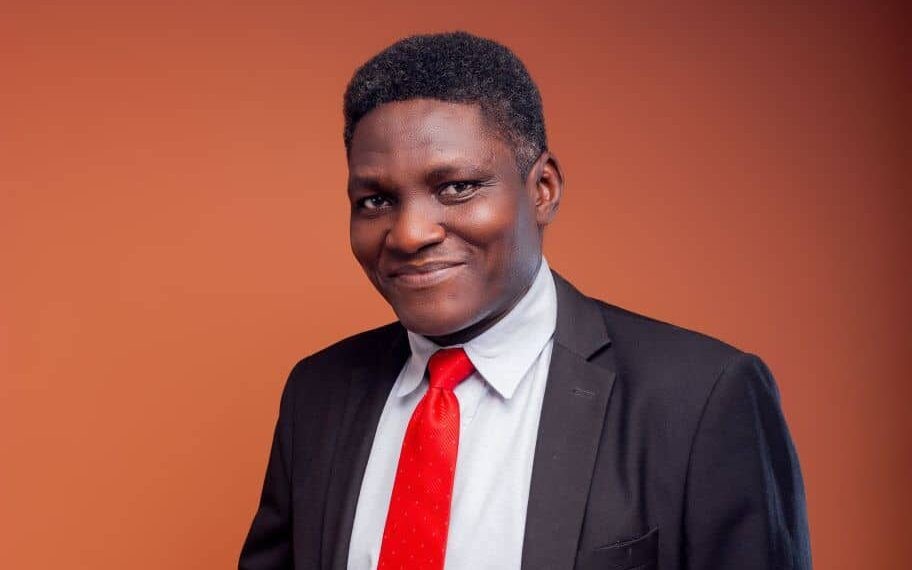
“This demand is about fairness and equity within the health sector,” Adegboyega Kabiawu, Secretary of the Lagos State Council of JOHESU, said in an interview with Premium Times published on Tuesday. “You cannot continue to adjust one salary structure whilst leaving another stagnant for over a decade and still expect industrial harmony.”
The union argues this has created a disparity within Nigeria’s health sector, where doctors have seen salary adjustments whilst other health professionals, including pharmacists, laboratory scientists, physiotherapists, radiographers, and support staff, have not received similar reviews in 15 years.
In Lagos, JOHESU has presented five local demands. The most prominent is the domestication of the consultancy pharmacist cadre. According to Kabiawu, Lagos State implemented this policy around 2018 but later suspended it following opposition from medical practitioners.
A 2020 federal circular directed all states to domesticate the cadre. The union notes that federal health institutions within Lagos State, including Federal Medical Centre Ebute Meta, Neuropsychiatric Hospital Yaba, and National Orthopaedic Hospital Igbobi, have already implemented this policy.
Other demands include creating a Directorate of Medical Laboratory Services, equity in retention allowance payments, correction of call-duty and shift-duty allowance calculations, and addressing staff transportation shortages. Kabiawu stated that the health sector once had ten staff buses but now operates with just one functional vehicle.
Dialogue Attempts and Current Impasse
Before the strike began, the Lagos State Government engaged with the union and appealed against the industrial action. According to Kabiawu, the union indicated it would only suspend the strike if there was evidence that local demands were being implemented.
“We made it clear, we would only be willing to suspend the strike if there was tangible evidence that our local demands were being implemented,” Kabiawu said. “Unfortunately, that did not happen.”
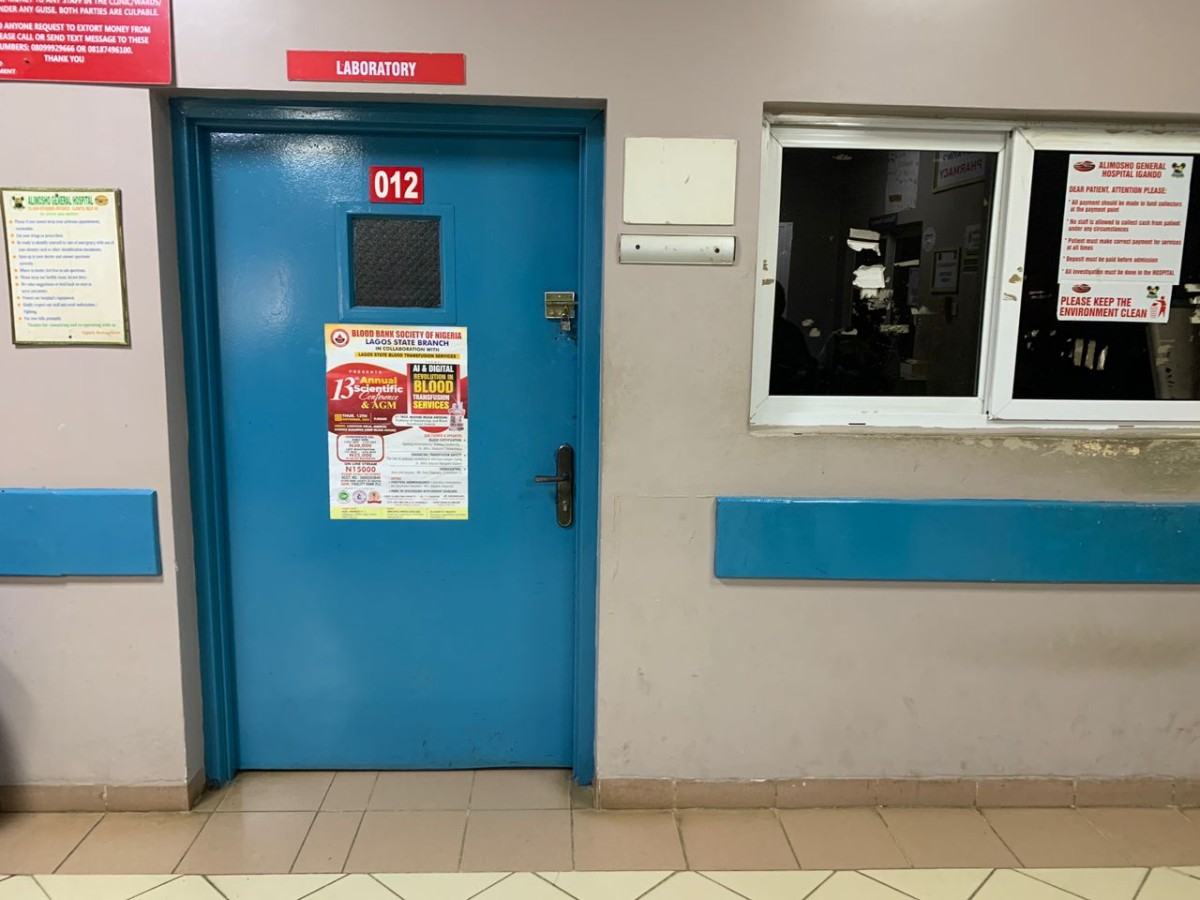
A meeting was held approximately a week after the strike commenced on December 3, but according to the union, there has been no further engagement since then. “What we have experienced instead is silence from the government, despite several correspondence from our side,” Kabiawu stated.
The union says it followed the mandatory 15-day notice procedure required at the state level before commencing the strike. Some of the demands, according to the union, had previously reached agreement stages before implementation stalled. The Lagos State Government has not publicly detailed its position on the specific demands or the status of ongoing negotiations.
Impact and Potential Resolution
JOHESU’s membership includes pharmacists, medical laboratory scientists, physiotherapists, radiographers, dietitians, health information managers, engineers, administrative staff, cleaners, cooks, and porters. With the union representing 85 per cent of the health workforce compared to 15 per cent for doctors and nurses, the strike has affected operations across multiple departments in public hospitals.
At the national level, the Federal Government has taken what Kabiawu described as a “hard-line approach,” with the health minister ruling out reconciliation. Federal workers have continued their strike action. The Lagos State Government has not officially announced a position on potential “no work, no pay” measures, though the possibility has been discussed.
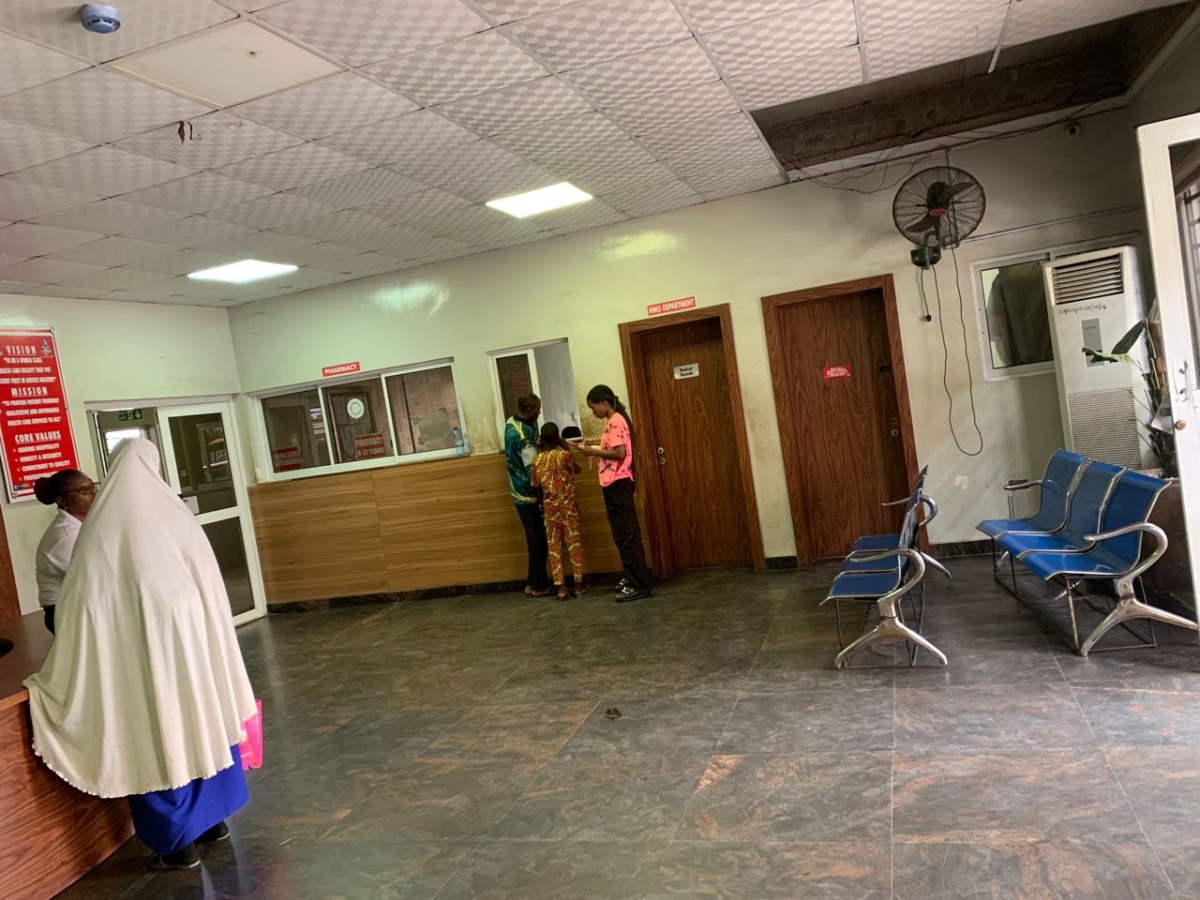
The union has indicated it would suspend the strike if the state government presents a memorandum of understanding outlining implementation of the five local demands. “We believe that dialogue and reconciliation are more effective tools for resolving industrial disputes, especially in a sensitive sector like healthcare,” Kabiawu said.
The Nigeria Labour Congress (NLC), Trade Union Congress (TUC), and Joint Negotiation Council have been informed of the situation and have written to the government. According to Kabiawu, these organisations have indicated readiness to support JOHESU if negotiations remain stalled.
FURTHER READING
As the strike continues into its third month, both the immediate resolution and the broader questions about salary structures and professional recognition in Nigeria’s health sector remain unresolved.
Philip Ibitoye is a Special Correspondent with EKO HOT BLOG. Click here to find daily analysis and critical insight on trending issues in Lagos and other parts of Nigeria.
Click here to watch the video of the week below: