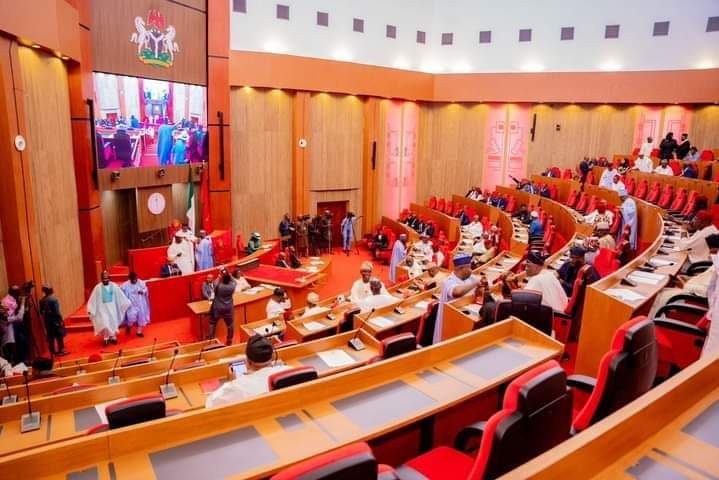
Nigeria’s electoral reform process appears to be facing a critical juncture as concerns grow over the Senate’s pace in passing the 2025 Electoral Act (Amendment) Bill ahead of the 2027 general elections.
With the House of Representatives having concluded its work on the legislation in December 2025, questions are being raised about the upper chamber’s handling of the bill, which has remained pending since passing second reading in October last year.
EDITOR’S PICKS
The debate over this legislation centres largely on practical considerations. The Independent National Electoral Commission (INEC) is legally required to issue election notices in February, which civil society groups argue leaves limited time for implementing any new legal framework.
The Nigeria Civil Society Situation Room has suggested that for INEC to adequately plan and sensitise stakeholders under revised rules, the bill would need presidential assent well before that deadline. The group has expressed concern that delays could potentially affect preparations for the 2027 election cycle.
Central to the proposed amendments is the matter of transparency, particularly concerning the electronic transmission of election results.
The bill appears to seek clearer legal backing for this process, which some observers consider an area requiring strengthening in the current system.
Former Vice President and 2027 presidential hopeful, Atiku Abubakar, has pointed to what he describes as loopholes in the Electoral Act 2022, arguing these contributed to alleged irregularities during the 2023 polls and complicated petitioners’ ability to pursue cases in court.

Beyond electronic transmission, the bill reportedly addresses early voting procedures and proposes stronger sanctions for electoral offences. These provisions seem designed to respond to challenges observed in recent polls, though opinions may differ on the extent to which they address underlying issues.
What several stakeholders find noteworthy is the apparent parallel with past experiences. The National Assembly has previously acknowledged that the 2022 Electoral Act Amendment Bill reached the presidency later than ideal. The Situation Room has characterised the potential repetition of this pattern as concerning, particularly given what they view as available lessons from that experience.
The Senate’s approach to the bill has attracted criticism from various quarters. The legislation was stepped down over procedural issues and did not return for consideration before the Senate’s recess, despite what the Situation Room describes as a public commitment by the Joint Committees on Electoral Matters to ensure passage before year’s end. Civil society observers have suggested this reflects challenges in prioritisation and coordination between chambers.
Atiku suggested that the credibility of the 2027 general elections may depend significantly on how the Senate handles this legislation, though the relationship between electoral law amendments and election outcomes remains a matter of ongoing debate.
Senate Leader Opeyemi Bamidele has indicated plans to fast-track the bill in 2026, but advocacy groups are calling for immediate action when the Senate resumes on January 27.
Electoral reform tends to be time-sensitive given the operational requirements of election management bodies.
FURTHER READING
Whether the Senate’s current timeline allows adequate preparation for 2027 remains a point of discussion among stakeholders. The degree to which prompt passage of amendments would strengthen public confidence in the electoral system is likely to be tested in the months ahead, as Nigeria continues to grapple with questions about transparency and credibility in its democratic processes.
Philip Ibitoye is a Special Correspondent with EKO HOT BLOG. Click here to find daily analysis and critical insight on trending issues in Lagos and other parts of Nigeria.
Click here to watch the video of the week below: