The tax reform laws have continued to generate controversy months after President Bola Tinubu signed them into law in June 2025.
What appeared as a landmark overhaul of Nigeria’s tax system has descended into a constitutional crisis, with allegations that the gazetted versions contain provisions never approved by the National Assembly.
EDITOR’S PICKS
On Friday, the House of Representatives minority caucus released findings showing what it termed “illegal alterations” in the tax laws.
The seven-member investigative committee, led by Afam Ogene, documented discrepancies across multiple sections of the Nigeria Tax Administration Act and related legislation. Among the alleged changes are new arrest powers for tax authorities, a requirement for taxpayers to deposit 20 percent of disputed amounts before appealing to court, and the deletion of parliamentary oversight provisions that would have required quarterly and annual reports to lawmakers.
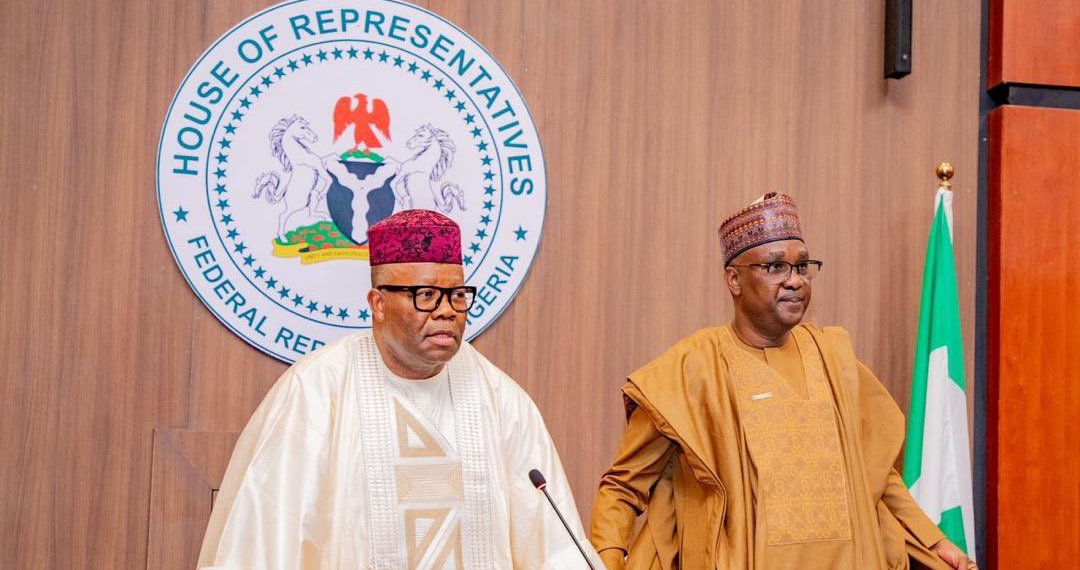
The committee found three different versions of the documents in circulation. Tax compliance thresholds were reportedly lowered from N50 million to N25 million for individuals without legislative approval. Section 64 of the gazetted law allegedly grants tax authorities power to arrest suspected violators and sell seized assets without court orders, provisions the committee says were absent from the version parliament passed.
Earlier, former Vice President Atiku Abubakar called the alterations “a brazen act of treason,” while 2027 presidential hopeful, Peter Obi, described them as revealing institutional decay. The Nigerian Bar Association (NBA) questioned the sanctity of the country’s lawmaking process and called for suspension of implementation.
The Presidency has dismissed the criticisms as “opposition noise,” with spokesman Temitope Ajayi insisting no secret alterations occurred. The Federal Government proceeded with January 1, 2026 implementation despite the controversy, though it later announced a strategic pause in issuing guidelines to resolve uncertainties.
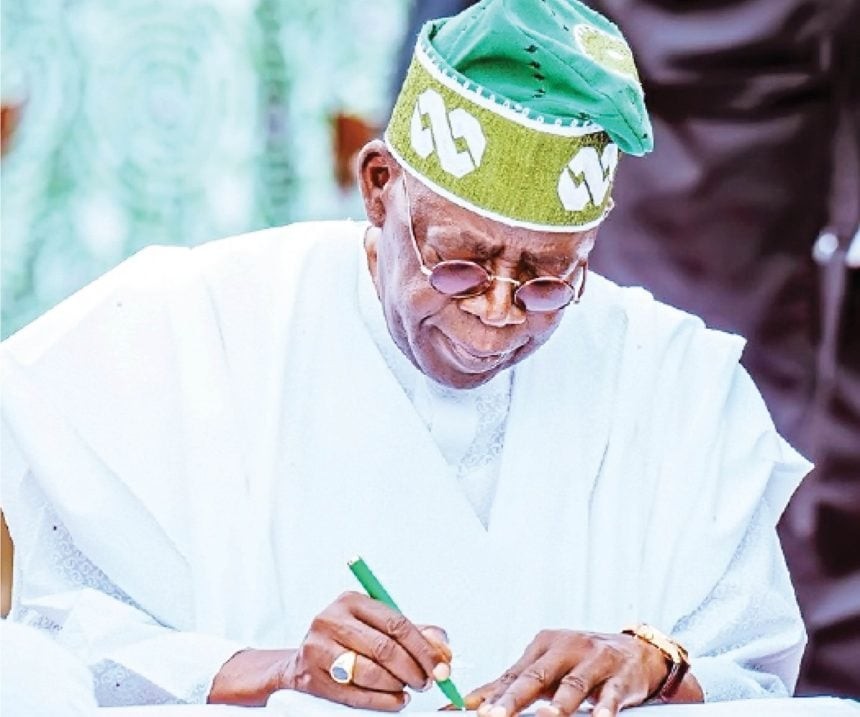
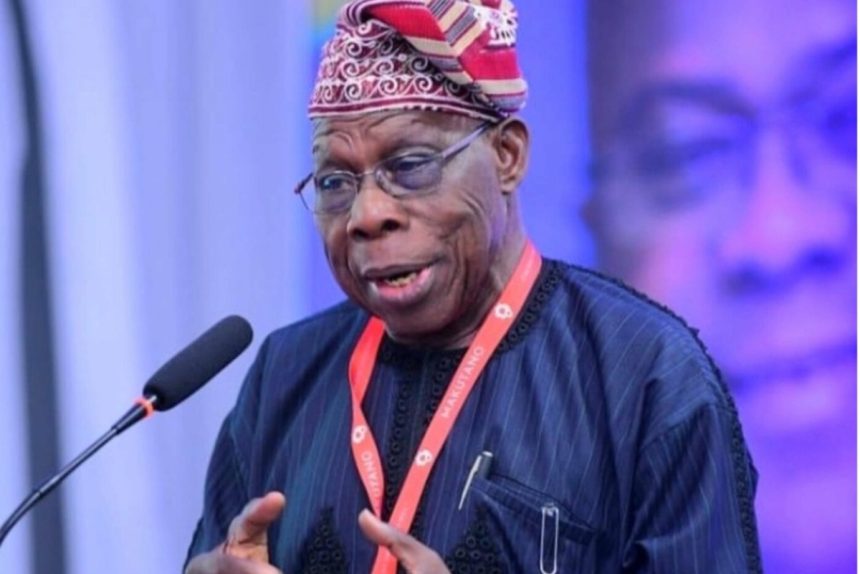
When Obasanjo also signed altered legislation into law
But EKO HOT BLOG found that this is not the first time such allegations have rocked Nigeria’s democracy.
In December 2001, President Olusegun Obasanjo signed an electoral bill that was supposed to facilitate the 2003 general elections. Instead, it sparked an uproar when details emerged days later showing that additional clauses had been inserted between legislative passage and presidential signature.
Section 80(1), which the National Assembly had not included, established registration conditions that effectively prevented new political parties from emerging until 2007. Parties needed to win 15 percent of local government council seats in every state across two-thirds of Nigeria. Based on the 1999 elections, only the ruling People’s Democratic Party (PDP) met this threshold. The law also reversed the election order, moving presidential votes from last to first, while local council elections shifted from first to last.
Emeka Odumegwu-Ojukwu, who led Biafra’s failed secession in the 1960s, called the 2001 law “daylight robbery” and threatened renewed consideration of secession. State governors filed suit at the Supreme Court, challenging provisions they argued contradicted the 1999 constitution.
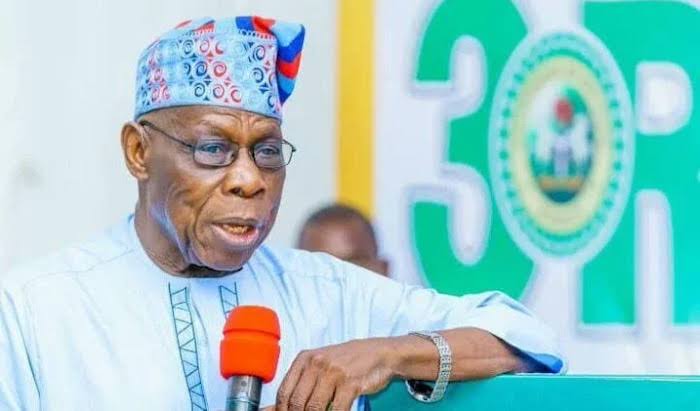
Obasanjo later revealed the insertion was a PDP decision. He admitted writing to Senate President Pius Anyim and House Speaker Ghali N’Abba requesting the party position be reflected in the bill. When the issue was not tabled before the full legislature, a PDP caucus led by Anyim inserted the controversial sections without the approval of their colleagues and presented the bill to Obasanjo, who signed it the next day.
Both legislative chambers were recalled from Christmas recess to expunge the unauthorised sections, but differed on what shape the revised bill should take. The damage to their credibility, political analysts noted at the time, had already been done.
FURTHER READING
Now, nearly 24 years later, Nigeria faces strikingly similar allegations. Different administrations, different laws, but the same fundamental questions about legislative integrity, constitutional compliance, and the balance of power between the executive and parliament. History, it appears, is repeating itself as is often the case with Nigeria.
Philip Ibitoye is a Special Correspondent with EKO HOT BLOG. Click here to find daily analysis and critical insight on trending issues in Lagos and other parts of Nigeria.
Click here to watch the video of the week below: