The proposal, which sought to create a commercial company valued at about $20 billion to manage key FIFA events, including the World Cup, was presented as a move to unlock new revenue streams and increase funding for football development.
However, the idea quickly turned into one of the biggest governance challenges of Infantino’s presidency.
EDITOR’S PICK
- APC Youth Wing Opens Applications for 2026 Zacch Adedeji Taxation, Fiscal Policy Fellowship
- ‘Make Him President, Let’s See If Nigerians Become Millionaires’ – Presidency Mocks Obi
- Super Falcons Shift Focus to Zambia Clash After Malawi Defeat
The plan came shortly after the 2026 FIFA World Cup, which became one of the most commercially successful tournaments in football history. With record earnings and global attention on the competition, Infantino believed the moment presented an opportunity to attract major private capital into the sport.
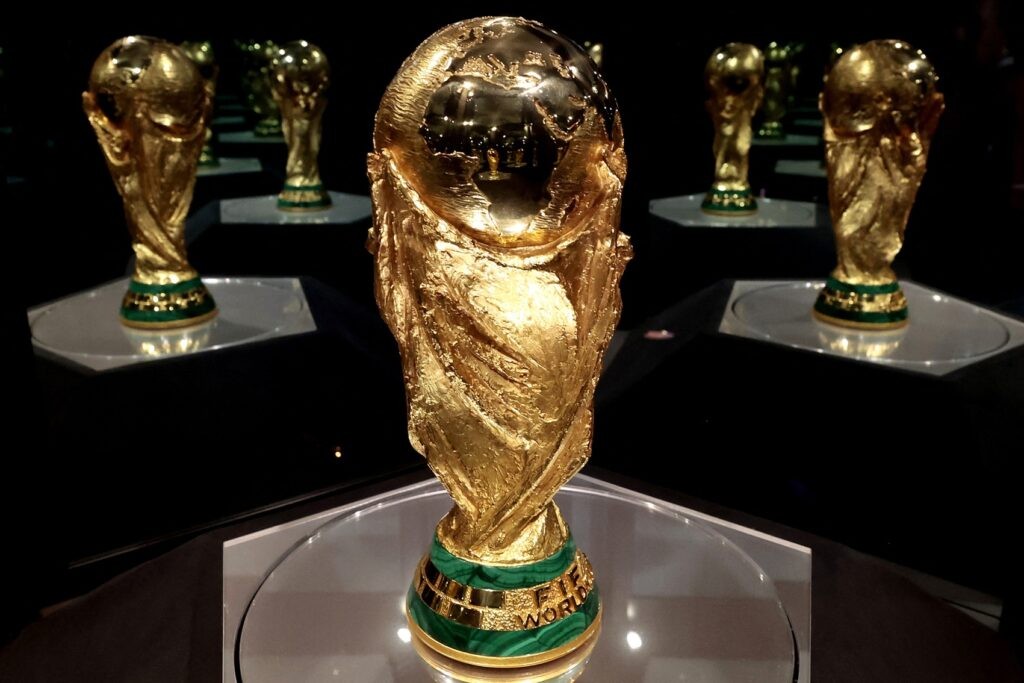
Under the proposed structure, FIFA Forward Enterprise (FFE) would have managed commercial operations such as broadcasting rights, sponsorship deals, ticketing and licensing. Private investors were expected to acquire a minority stake in the company, with proceeds distributed among FIFA’s 211 member associations.
FIFA argued that the investment would increase funding for football development worldwide, allowing national federations to receive more financial support. The organisation also maintained that the move would not affect FIFA’s control over football matters.
However, critics viewed the proposal differently, arguing that it risked turning football’s biggest competitions into profit-driven assets controlled by private interests.
The controversy intensified after it emerged that investment firm Thrive Capital, founded by American businessman Joshua Kushner, was among those linked to the proposed deal. The involvement of a company connected to the family of US President Donald Trump’s son-in-law raised concerns among some observers over possible conflicts of interest.
Infantino’s close relationship with Trump during the 2026 World Cup period further increased scrutiny of the proposal.
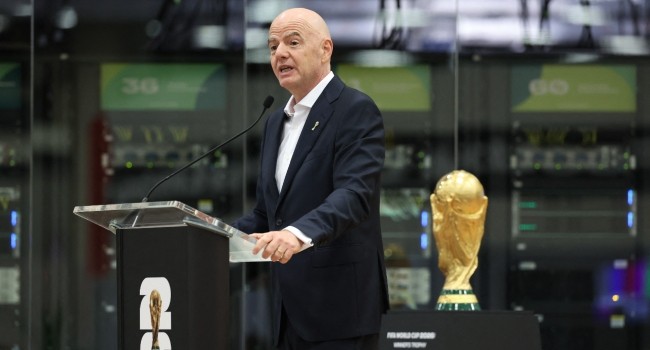
European football authorities were among the strongest opponents of the plan. UEFA criticised FIFA for developing such a significant proposal without wider consultation, describing the process as lacking transparency.
The European body argued that football’s future should not be decided behind closed doors and warned against allowing private investors to gain influence over competitions that belong to fans, clubs and football nations.
Other continental bodies, including the Asian Football Confederation (AFC) and CONCACAF, also expressed concerns over the decision-making process and questioned why private investment was necessary after FIFA had just recorded huge financial success from the World Cup.
The opposition also came from within FIFA’s own structure. Some officials reportedly felt excluded from discussions surrounding the proposal, raising concerns about how the plan was developed and presented.
Facing growing resistance, FIFA eventually abandoned the proposal less than a week after it became public. The withdrawal represented a major setback for Infantino, who had promoted the idea as a way to reshape football’s financial future.
Despite the collapse of the plan, the debate it created is unlikely to disappear. FIFA remains one of the most commercially powerful sporting organisations in the world, and the question of how to maximise its financial potential while maintaining football’s traditional values will continue to generate discussions.
Supporters of the proposal believe greater private investment could provide more resources for smaller football nations, improve infrastructure and expand opportunities for developing countries.
Opponents, however, fear that increased commercial influence could weaken football’s identity and shift power away from traditional stakeholders towards investors whose priority may be financial returns.
The controversy has also placed attention on Infantino’s political future at FIFA. While he continues to enjoy support from several regions, including parts of Africa, Asia and South America, opposition from major football powers could affect his influence within the organisation.
The crisis has therefore become bigger than one failed investment proposal. It has reopened a long-standing debate about who controls football and whether the sport should remain a global institution managed for public interest or become a commercial enterprise driven by private capital.
As FIFA moves forward, the organisation faces the challenge of balancing financial growth with transparency, accountability and the values that have made football the world’s most popular sport.
FURTHER READING