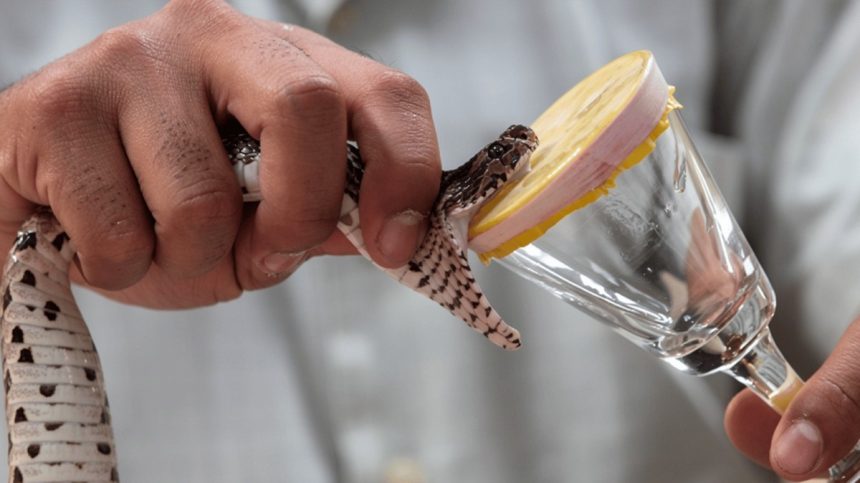
- Health Workers Warn as Antivenom Gaps Undermine Snakebite Treatment
- Among Nigerian health workers surveyed, 98 per cent reported difficulties administering antivenom
- The Taskforce called for urgent investment in antivenom research and development, expanded affordable and high-quality manufacturing
Nigeria’s fight against snakebite envenoming is being weakened by antivenom shortages, poor infrastructure, and limited treatment capacity, with frontline health workers warning that preventable deaths and lifelong disabilities are increasing across the country.
Eko Hot Blog reports that a new report by the global Strike Out Snakebite (SOS) initiative, released to mark World Neglected Tropical Diseases (NTD) Day 2026, shows that 50 per cent of health facilities surveyed in high-burden countries lack the full capacity to treat snakebite cases. The findings are based on responses from 904 healthcare workers in Nigeria, Brazil, India, and Indonesia countries that account for a large share of the global snakebite burden.
According to the World Health Organisation (WHO), snakebite envenoming causes up to 138,000 deaths and about 400,000 permanent disabilities every year worldwide. Despite being both preventable and treatable, snakebite accounts for nearly 50 per cent of the global burden of neglected tropical diseases. WHO designated it a priority NTD in 2017, setting a target in 2019 to halve deaths and disabilities by 2030.
Nigeria featured prominently in the report as one of the countries struggling with deep-seated systemic failures. Among Nigerian health workers surveyed, 98 per cent reported difficulties administering antivenom, the only WHO-listed essential medicine for snakebite treatment. They cited late arrival of patients, inadequate infrastructure and equipment, and gaps in training and clinical guidelines as key reasons for avoidable deaths and complications.
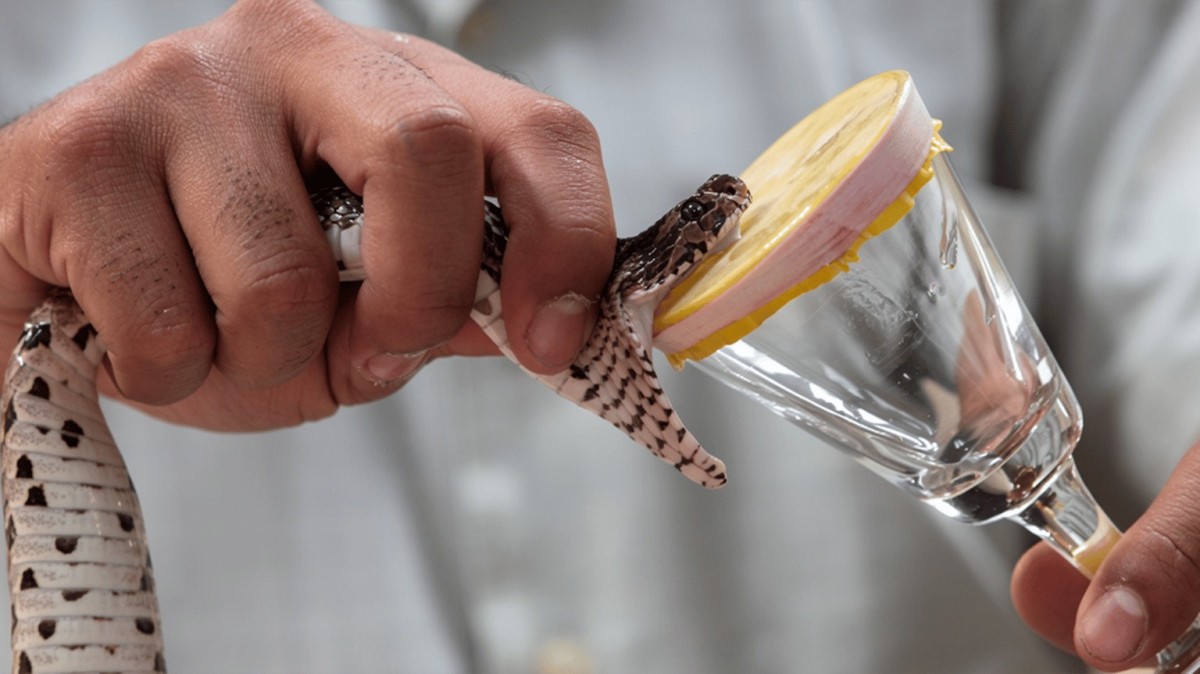
Nigeria is home to 29 snake species, nearly half of which are venomous. However, 57 per cent of respondents reported delays in patients reaching health facilities, while 56 per cent pointed to poor infrastructure and lack of essential equipment. Another 42 per cent said insufficient training and unclear treatment protocols continue to undermine effective care.
Across all four countries surveyed, 99 per cent of healthcare workers said they face challenges administering antivenom. 35 per cent reported daily shortages, while more than 77 per cent said patients experience life-threatening delays in seeking care, often due to reliance on traditional or alternative remedies.
The impact of these delays is severe. About 44 per cent of respondents said late treatment had resulted in amputations or major surgeries outcomes that permanently affect livelihoods and deepen poverty, particularly in rural farming communities where snakebite is most common.
Co-Chair of the Global Snakebite Taskforce, Elhadj As Sy, said the report highlights how frontline health workers bear the brunt of the crisis while being sidelined in global health decision-making. He stressed that while solutions exist, they require political will, sustained funding, and bold commitments from governments, partners, and investors.
The Taskforce called for urgent investment in antivenom research and development, expanded affordable and high-quality manufacturing, improved data systems, and stronger collaboration between governments, NGOs, and local health systems. Nigerian health workers also identified better access to facilities and improved antivenom quality as immediate priorities.
SOS noted that snakebite is fundamentally a crisis of inequality, disproportionately affecting rural communities, children, and agricultural workers who live far from health facilities. Victims often endure long journeys to care, weak infrastructure, and scarce or expensive antivenom, turning a preventable condition into a life-threatening emergency.
A clinician from Bangalore and advocacy group member, J. Nagaraj, described snakebite as a disease that strikes villages and farms rather than corporate offices. He noted that survival often depends on how quickly victims can access effective antivenom something many rural residents cannot do in time.
The report also warned that funding remains dangerously limited, with just 2 funders providing about 65 per cent of global investment in snakebite research and development an arrangement described as unsustainable given the scale of the crisis.
Launched in 2025, Strike Out Snakebite said it is pushing for increased funding and stronger political commitment to meet WHO’s 2030 targets. The initiative works across research, antivenom access, public health, and advocacy to keep snakebite firmly on the global health agenda.
Executive Secretary of the African Leaders Malaria Alliance (ALMA), Joy Phumaphi, said snakebite continues to claim lives despite being preventable, reaffirming ALMA’s commitment to strengthening prevention and control through advocacy and domestic resource mobilisation.
Experts urged governments, including Nigeria’s, to integrate snakebite prevention and treatment into national health strategies. Recommendations include pooled antivenom procurement, regional production hubs, upgraded health infrastructure, and expanded community education.
The report added that simple preventive measures such as wearing protective clothing and sturdy footwear, sleeping under well-tucked mosquito nets, using torches at night, and avoiding snake habitats can significantly reduce risk, especially in rural areas.
It concluded that without decisive action, snakebite envenoming will continue to cause needless deaths and disabilities, despite being preventable and treatable. Sustained investment and political will, it said, are critical to finally bringing the crisis under control.