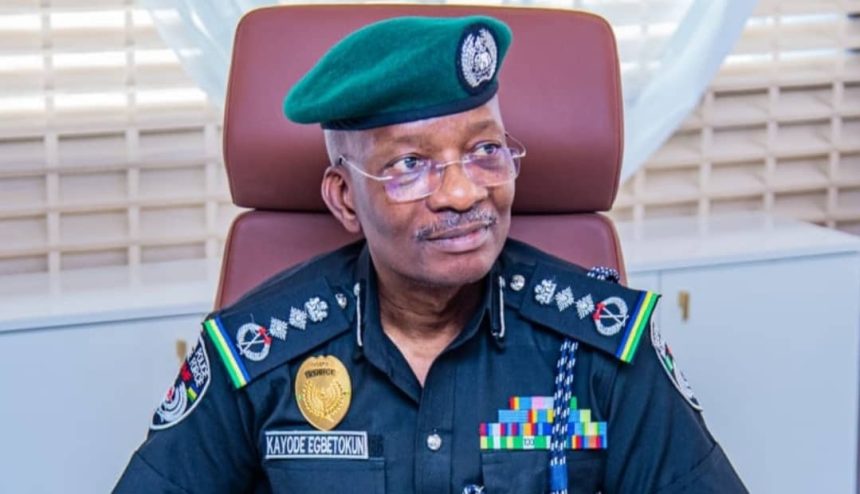
- Over 12,000 Nigerian Police Officers Deployed to Global Peacekeeping Missions – IGP
- The IGP said Nigerian police officers have served under the United Nations, African Union and ECOWAS in various regions, including Africa, Europe, Asia, the Middle East and the Caribbean
- Professor Eghosa Osaghae, observed that many of Nigeria’s peacekeeping challenges are rooted in domestic policing capacity
The Inspector-General of Police (IGP), Kayode Egbetokun, has disclosed that more than 12,000 Nigerian police officers have participated in international peacekeeping operations across the world.
Eko Hot Blog reports that Egbetokun made the disclosure at a conference in Lagos, organised by the Nigerian Institute of International Affairs (NIIA) to mark 60 years of Nigeria’s participation in global peacekeeping missions.
EDITOR’S PICK
- EFCC Arraigns Man for Allegedly Defrauding US Investors of $525,276
- Tinubu’s State Visit Yields Nigeria–Turkey Diaspora Partnership
- FG, States, LGs Receive ₦1.969trn as FAAC Allocation for December 2025
According to the police chief, Nigeria’s performance in international peace operations reflects the professionalism, discipline and accountability of the Nigeria Police Force at home, stressing that overseas deployment cannot replace the need for strong and effective domestic institutions.
“Effective peacekeeping policing reflects legitimacy, discipline and public trust, both at home and abroad,” Egbetokun said.
“Nigeria’s credibility in global security cooperation depends on sustained police reform and respect for human rights.”
Tracing Nigeria’s peacekeeping history to 1960, shortly after independence, the IGP said Nigerian police officers have served under the United Nations, African Union and ECOWAS in various regions, including Africa, Europe, Asia, the Middle East and the Caribbean.
He noted that modern peacekeeping has evolved to place police officers at the centre of civilian protection, election security, community policing and post-conflict stabilisation, adding that these responsibilities require a high level of professionalism and adaptability.
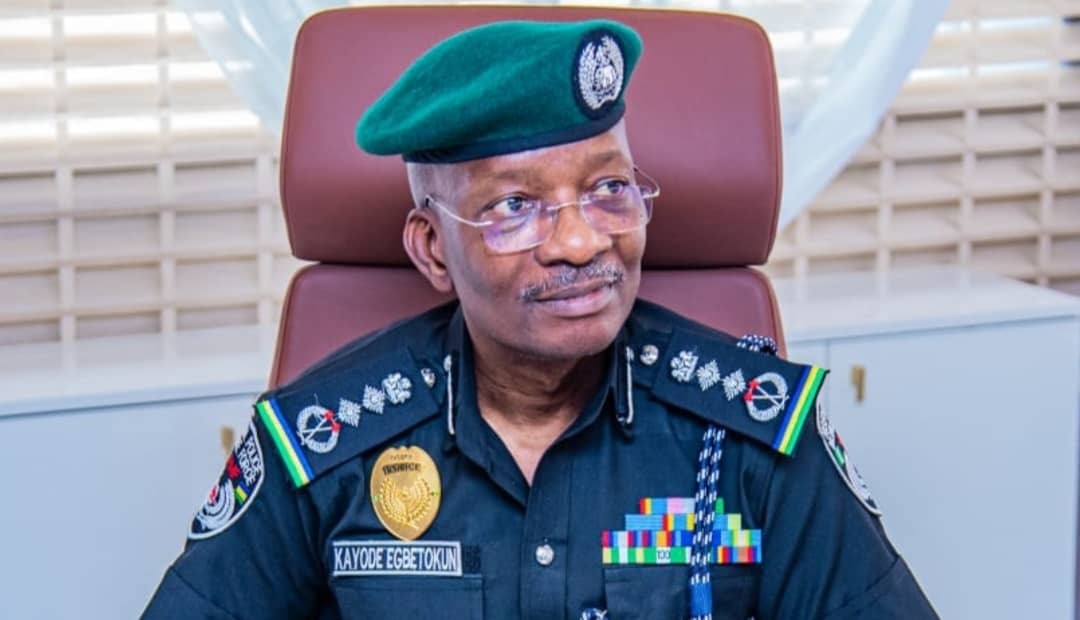
“These roles demand professionalism and adaptability, particularly in the face of emerging threats such as violent extremism and transnational crime,” Egbetokun said.
Also speaking at the event, the Director-General of the NIIA, Professor Eghosa Osaghae, observed that many of Nigeria’s peacekeeping challenges are rooted in domestic policing capacity.
“What the police is doing outside is a reflection of its abilities and capacities within,” Osaghae said, adding that despite ongoing challenges, the Nigeria Police Force has recorded notable improvements in skills acquisition and operational capacity over the past two decades.