- He argued that dismantling the rule would reduce regulatory burdens on manufacturers
- Environmental advocates, however, have strongly criticized the decision, calling it the most sweeping attempt
- Some legal observers believe the administration anticipates a court challenge
U.S. President Donald Trump has scrapped a landmark climate determination introduced during Barack Obama’s administration, a move that could significantly reshape federal environmental policy.
Eko Hot Blog exclusively reports that the 2009 decision, commonly known as the “endangerment finding,” concluded that key greenhouse gases, including carbon dioxide and methane, pose a threat to public health.
EDITOR’S PICK
- Senate Approves Electronic Transmission of Polling Unit Results
- Nigeria Reopens Kamba, Tsamiya Borders to Boost Cross-Border Trade
- Ibeju-Lekki LG Announces ATM Card Distribution for 3rd Batch CCT Beneficiaries
That determination has since served as the legal foundation for federal efforts to regulate emissions across sectors such as transportation, power generation, oil and gas production, and aviation.
Announcing the reversal at the White House on Thursday, Trump described the Obama-era policy as harmful to the American auto industry and costly for consumers.
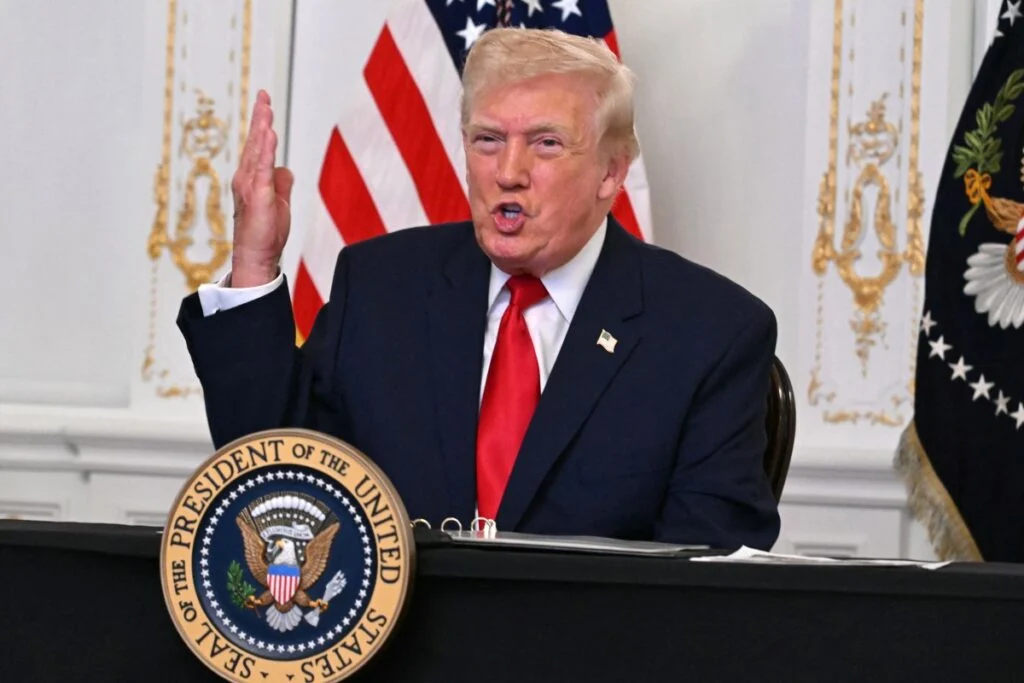
He argued that dismantling the rule would reduce regulatory burdens on manufacturers and lower vehicle prices. Administration officials claim the rollback could save more than one trillion dollars in regulatory costs and cut production expenses for automakers by roughly $2,400 per vehicle.
Environmental advocates, however, have strongly criticized the decision, calling it the most sweeping attempt yet to weaken federal climate protections. Several groups have indicated they will challenge the action in court.
Legal experts note that the 2009 finding became central to U.S. climate policy, particularly at times when Congress was unable to pass comprehensive climate legislation.
By classifying greenhouse gases as harmful to public health, the Environmental Protection Agency gained authority to regulate emissions across multiple industries.
Critics of the reversal warn that the economic benefits being projected by the administration may not materialize. Some analysts argue that reducing fuel efficiency standards could lead to higher long-term fuel costs for consumers and increased health risks linked to air pollution.
There are also concerns within segments of the auto industry. Producing less fuel-efficient vehicles could make American cars less competitive in international markets where stricter emissions standards remain in place.
The policy shift may carry additional legal consequences. The 2009 determination previously strengthened federal oversight while limiting certain state-level climate lawsuits. With its removal, states and advocacy groups may seek new legal pathways to pursue environmental claims.
Another major point of contention is the scientific basis for overturning the ruling. A recent Energy Department report questioning widely accepted climate science helped support the administration’s proposal.
However, the report has drawn criticism from many climate researchers, who argue it misrepresents established findings. A federal judge also ruled that the process used to assemble the advisory panel behind the report did not comply with legal requirements.
Some legal observers believe the administration anticipates a court challenge and may ultimately seek a definitive ruling from the Supreme Court. A favourable judgment could make it far more difficult for future administrations to restore the original finding without new legislation.
If upheld, the reversal would mark a significant departure from more than a decade of federal climate policy and redefine the government’s role in regulating greenhouse gas emissions.
FURTHER READING