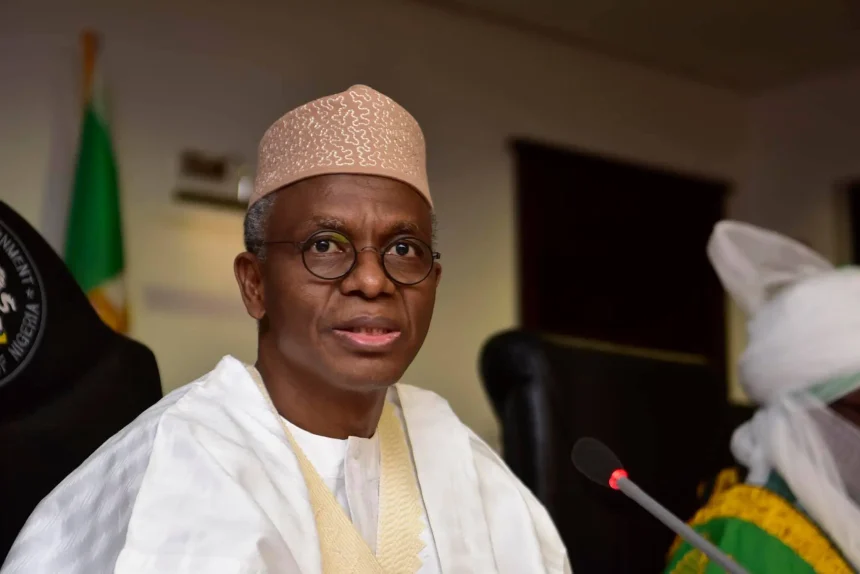
- The Federal Government has officially filed a three-count criminal charge against former Kaduna State Governor Nasir El-Rufai for allegedly spying on the National Security Adviser.
- The legal action follows El-Rufai’s recent television appearance where he reportedly admitted to the unlawful interception of Nuhu Ribadu’s private communications.
- Court documents filed in Abuja suggest the breach involved specialized technical equipment, which prosecutors claim has severely compromised national security.
The Federal Government has initiated a high-profile legal battle against the former Governor of Kaduna State, Nasir El-Rufai, over allegations of illegal surveillance.
Eko Hot Blog reports that the charge, marked C2/99/2026 and dated February 16, 2026, lists the Federal Republic of Nigeria as the complainant in a case that could redefine the enforcement of privacy and cybercrime laws in the country.
EDITOR’S PICK
- Alara of Ilara Named 6th Chancellor of LASU by Governor Sanwo-Olu
- Peter Obi Declares 2027 Presidential Bid on ADC Platform
- FIFA Set to Rule on Nigeria’s Petition Over DR Congo World Cup Play-Off
The prosecution’s case is built on El-Rufai’s own words during a guest appearance on Arise TV’s “Prime Time” programme on February 13, 2026.
During the live interview, the former governor allegedly confessed that he and others had successfully intercepted the phone communications of the National Security Adviser (NSA), Nuhu Ribadu.
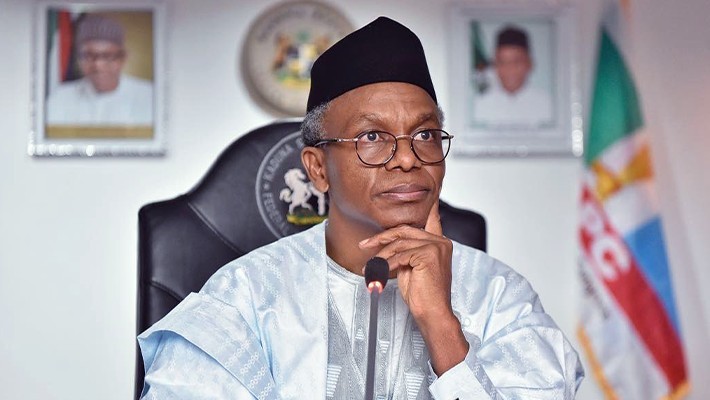
This public admission has now been categorized by the government as a punishable offense under the Cybercrimes (Prohibition, Prevention, etc.) Amendment Act, 2024.
The three-count charge outlines a series of serious breaches. The first count focuses on the act of interception itself, while the second alleges that El-Rufai knowingly associated with the individuals behind the hack but failed to report them to the authorities.
The third count is perhaps the most damaging, claiming that the group used technical systems to bypass security, an act that the prosecution says put the safety of the entire nation at risk.
The timing of these charges has sent shockwaves through Nigeria’s political circles, especially as the administration leans into the stricter 2024 amendments of the Cybercrimes Act.
While the former governor has yet to release an official statement regarding the filing, legal experts suggest that the “admission” on national television will be the primary hurdle for his defense team.
As Abuja prepares for the first hearing, many are watching to see if this case signals a broader crackdown on unauthorized surveillance within the corridors of power.
FURTHER READING