
- Lagride Launches Drive-to-Own E-Taxi Scheme with 3,500-Vehicle Target
- Lagride’s Executive Director, described the initiative as a “substantive milestone
- UBA confirmed its backing for up to 3,500 vehicles through a four-year financing facility at 25% per annum
Lagride, the Lagos State–supported electric taxi service, has officially launched its Drive-to-Own programme, aiming to deploy 3,500 vehicles with financing support from United Bank for Africa (UBA) worth $100 million.
Eko Hot Blog reports that the first batch of qualifying drivers, known as “captains,” received keys during a handover ceremony in Lagos, marking the formal start of the ownership programme.
EDITOR’S PICK
- Nigerian Mother Dies Hours After Arriving in UK for Son’s Graduation
- Dabiri-Erewa Unveils 2026 Diaspora Health Initiative to Strengthen Local Hospitals
- Ogun Police Begin Investigation After TikToker Alleges Assault
Under the scheme, drivers move from structured rentals to long-term vehicle ownership, with eligibility based on performance, compliance, and operational discipline.
Mildred Ekanem, Lagride’s Executive Director, described the initiative as a “substantive milestone,” highlighting the structured, data-driven approach that includes a 90-day rental and training period. During this phase, drivers were assessed on ride completion, safety, customer feedback, income generation, and overall conduct.
“Eligibility is not random. Standards unlock opportunity. When captains commit to a standard, the platform commits back,” Ekanem said.
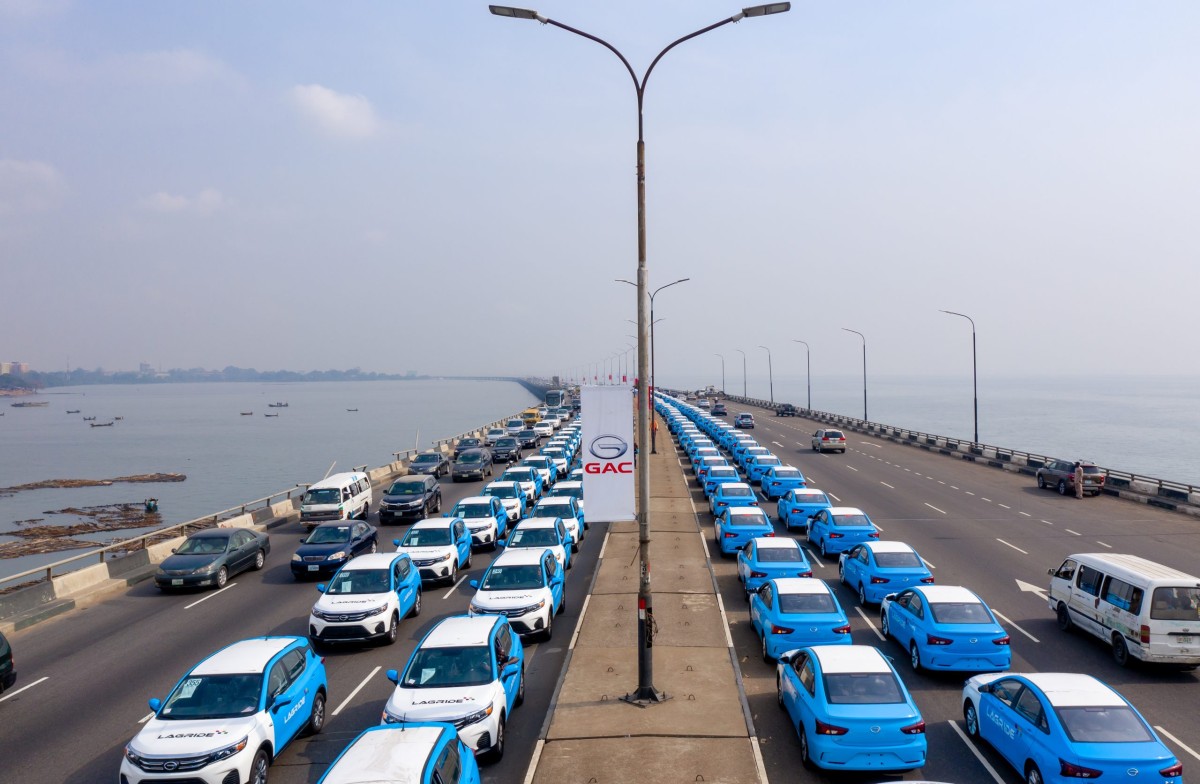
UBA confirmed its backing for up to 3,500 vehicles through a four-year financing facility at 25% per annum on a reducing balance basis, with repayment schedules aligned to drivers’ earning capacity. Lagride noted that projected weekly revenues—N375,000 for electric vehicles and N450,000 for SUVs are based on operational research and existing demand.
For drivers like Aminu Ganna, one of the first recipients, the programme represents a clear pathway from daily earnings to asset ownership:
“The scheme has moved from appearing not doable to achievable through discipline and consistency,” he said.
Lagride added that future deployments will depend on the initial cohort’s performance, ensuring adherence to operational standards before scaling to the full 3,500-vehicle target.