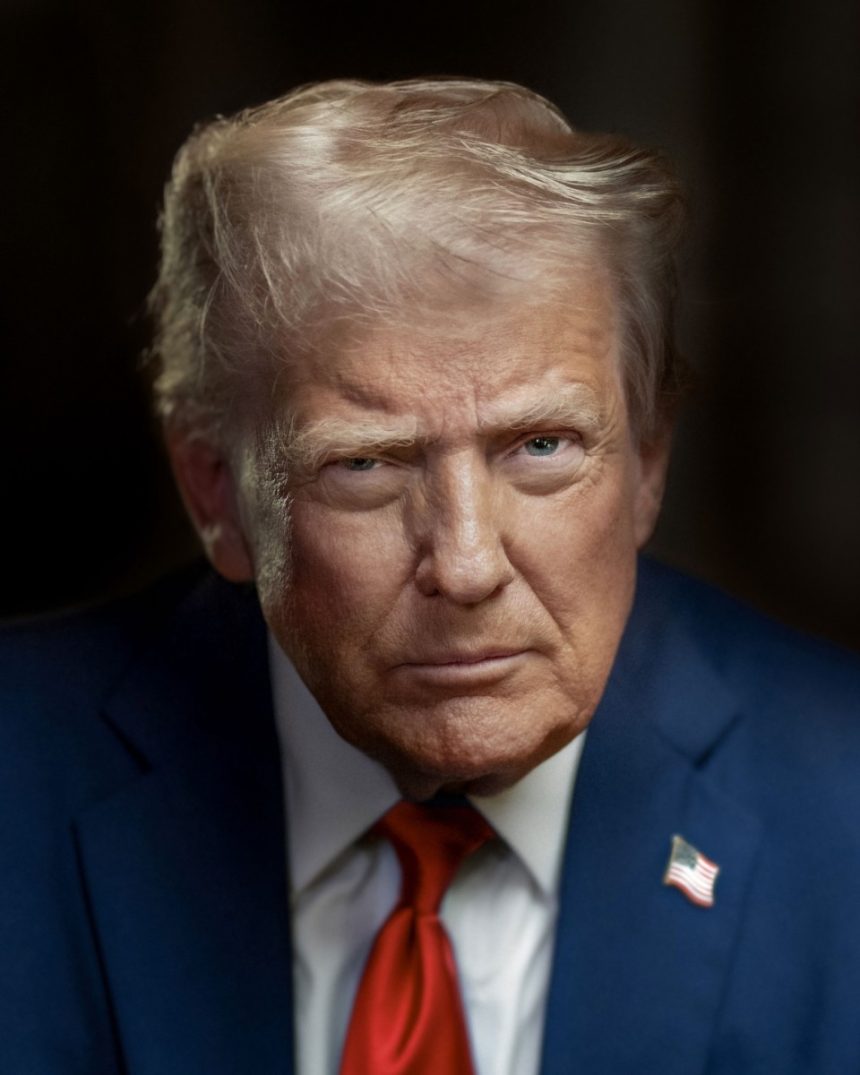
- U.S. Secretary of State Marco Rubio announced the restrictions on Friday, targeting three Chilean government officials.
- The officials are accused of compromising critical telecommunications infrastructure and working against U.S. interests.
- The move signals a sharp escalation in tensions between the Trump administration and the outgoing Boric government in Chile.
The United States government, under the leadership of President Donald Trump, has announced the imposition of new visa restrictions targeting Chilean government officials.
Eko Hot Blog reports that U.S. Secretary of State Marco Rubio disclosed the decision in a formal statement on Friday, February 20, 2026, citing significant concerns regarding regional safety and the protection of American economic interests in the Western Hemisphere.
EDITORS’ PICK:
- Court Awards ₦30m Damages Against Police Over Sowore’s ‘Wanted’ Declaration
- Ghana Seeks International Arbitration Over Maritime Boundary Dispute With Togo
- US Allies Converge On Washington As Trump Inaugurates “Board Of Peace” To Reshape Gaza
The State Department revealed that it has taken steps to revoke the visas of three specific officials and their immediate family members, rendering them generally ineligible for entry into the United States.
According to the statement released via Secretary Rubio’s official channels, the targeted individuals are accused of having “knowingly directed, authorized, funded, or provided significant support to” activities that compromised critical telecommunications infrastructure.
Washington maintains that these actions directly undermined the security of the region.
“The Trump Administration continues to protect America’s economic prosperity by ensuring peace and security in our hemisphere,” Rubio wrote, adding that the U.S. remains committed to promoting accountability for those who work to destabilize the region.
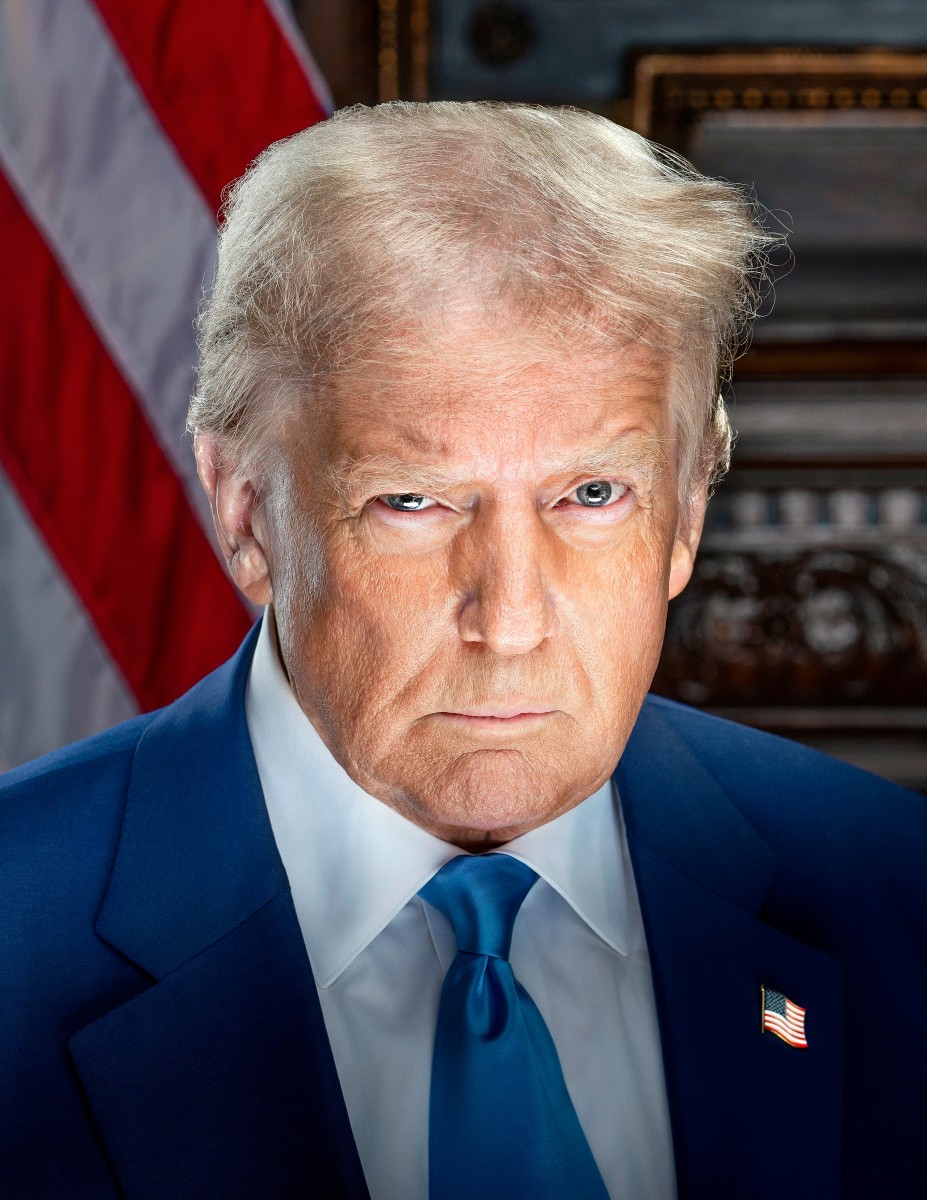
While the identities of the affected officials were not immediately disclosed, the announcement comes at a time of visible diplomatic friction between Washington and Santiago.
The State Department’s rhetoric was notably pointed, with Rubio stating that the legacy of the Boric administration would be “further tarnished” by these security-related actions.
The move appears to coincide with a shift in U.S. strategy toward Latin America, which has increasingly prioritized border security, anti-narcotics efforts, and the limitation of external influence from rival powers in the region.
The timing of the sanctions is also significant, as Chile prepares for a transition to a new administration. In his remarks, Secretary Rubio expressed a desire to move past recent tensions, stating that the U.S. looks forward to “advancing shared priorities” with the incoming administration of José Antonio Kast.
This suggests that the current visa restrictions are part of a broader “maximum pressure” tactic aimed at resetting bilateral relations with the South American nation.
Chile, historically one of South America’s most stable democracies and a key U.S. trade partner, has yet to issue a formal diplomatic response to the sanctions.
However, foreign policy analysts suggest that these visa restrictions, often used as a tool to signal high-level disapproval without the severity of full economic sanctions, could strain the longstanding defense and trade cooperation between the two countries.
The impact of the measure will likely be felt most within Chile’s telecommunications and security sectors, which have become the latest battleground for regional strategic competition.
FURTHER READING: