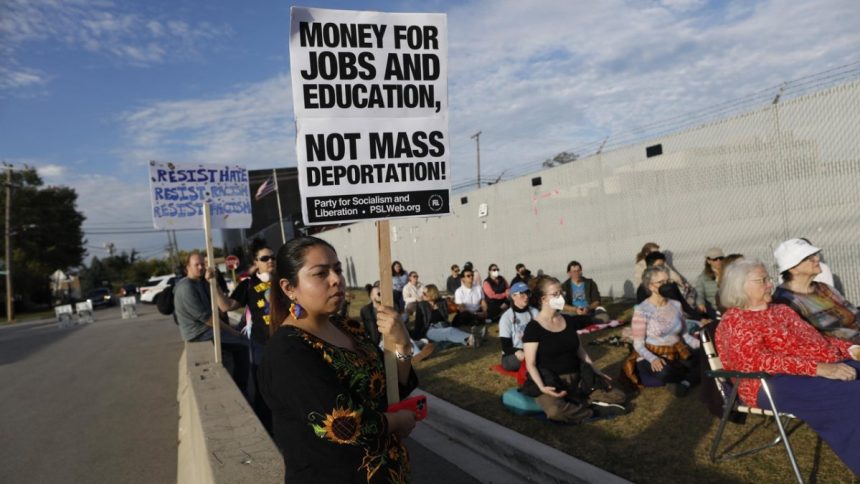
- Judge Brian Murphy rules that deporting migrants to countries other than their own without notice is unlawful.
- The court finds the policy violates due process and federal immigration laws designed to prevent torture and persecution.
- The Trump administration is granted a 15 day stay to appeal, expressing confidence that the Supreme Court will vindicate its authority.
A federal judge in Washington has dealt a significant blow to the Trump administration’s mass deportation strategy, ruling on Wednesday that the Department of Homeland Security (DHS) cannot legally remove migrants to “third countries” without providing them prior notice or an opportunity to object. U.S.
Eko Hot Blog reports that district Judge Brian Murphy, sitting in Massachusetts, sided with a group of noncitizens in a class action lawsuit, declaring that the current policy fails to satisfy basic constitutional due process requirements.
EDITOR’S PICK
- 540 Candidates Cleared as Lagos APC Moves to Elect LGA Executives
- Court Sentences Pastor to Death for Killing UniUyo Student
- Lagos Teacher Questions Lack of Recognition for One-Day Governor Mentors
The ruling sets aside a policy that has been a cornerstone of the administration’s efforts to offshore the migrant crisis to nations like El Salvador, Rwanda, and Panama.
The policy in question, which was reaffirmed last July, allowed immigration officers to deport migrants to any country willing to accept them, provided the U.S. government received informal assurances that the deportees would not be harmed.
Crucially, the policy instructed officers not to ask migrants if they feared being sent to these third countries.
Judge Murphy sharply criticized this lack of transparency, questioning the credibility of “secret” assurances that neither the migrants nor the court could verify.
He argued that the Constitution does not allow the government to drop people off in “parts unknown” without giving them a chance to plead their case for safety.
The legal battle has been marked by explosive allegations of government misconduct.
In his ruling, Judge Murphy accused the Trump administration of providing false information regarding a Guatemalan national who was allegedly thrown on a bus to Mexico despite having legal protection against deportation.
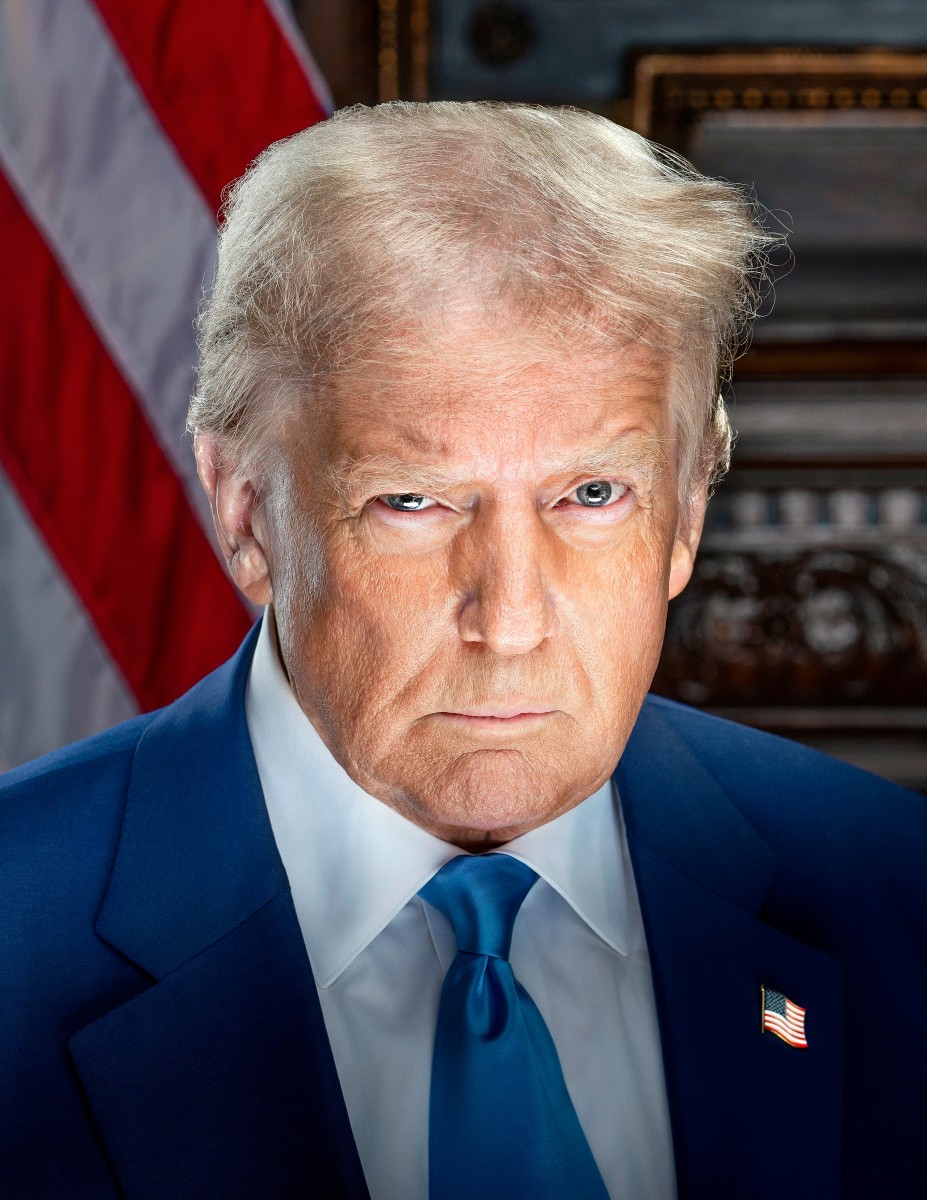
The judge also referenced a previous incident where the administration attempted to deport a group of men to war-torn South Sudan with less than 24 hours’ notice.
Those men were eventually held at a U.S. naval base in Djibouti in what were described as “deplorable and dangerous” conditions before the Supreme Court intervened to allow their removal.
The Department of Homeland Security responded swiftly to the ruling, maintaining that the President has the constitutional authority to remove “criminal illegal aliens” to ensure national security.
A DHS spokesperson characterized the ruling as an obstacle to cleaning up a “national security nightmare” and expressed confidence that higher courts would eventually overturn Murphy’s decision.
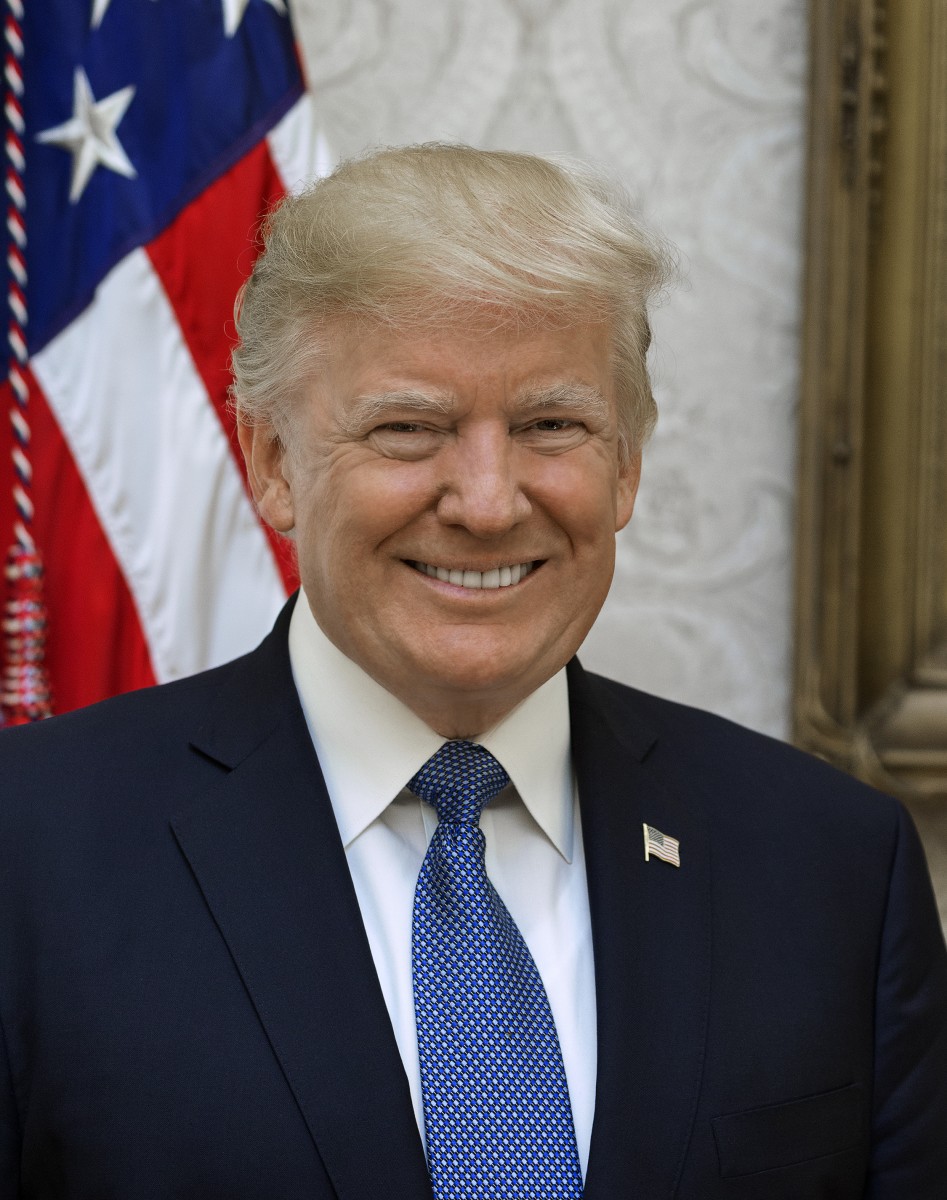
The judge has paused the implementation of his ruling for 15 days to allow the administration time to file an emergency appeal, a move that will likely lead the case back to the Supreme Court.
As the Trump administration continues its aggressive immigration agenda, this ruling highlights the intensifying friction between executive branch policies and the federal judiciary.
The outcome of the impending appeal will determine whether the U.S. can continue its practice of brokering deals with third-party nations to accept deportees or if it must return to a more traditional, notice-heavy removal process.
For now, the 15 day stay ensures that the administration’s deportation flights remain operational, though their long term legal standing is increasingly uncertain.