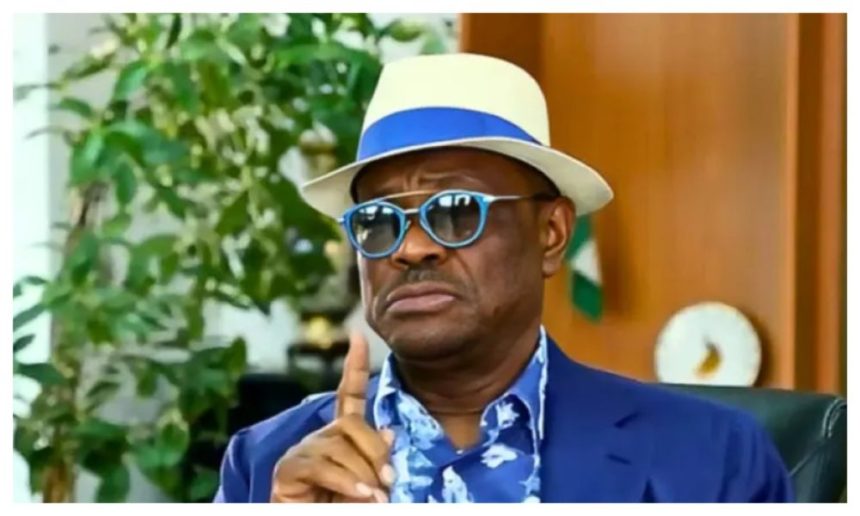
- Falana described the minister’s action as unlawful
- He maintained that the FCT minister plays no role in organising area council elections
- Falana also commented on the recently amended Electoral Act signed into law by Bola Tinubu
Human rights lawyer and Senior Advocate of Nigeria, Femi Falana, has criticised the decision of the Minister of the Federal Capital Territory, Nyesom Wike, to declare a public holiday ahead of the FCT area council elections.
Falana argued that Wike does not possess the constitutional authority to announce a work-free day, stressing that such powers rest with state governors, the Minister of Interior, or the President, Eko Hot Blog reports.
EDITOR’S PICK
- Troops Intercept Suspected Gun Runner, Seize 969 Rounds of Ammunition in Taraba
- Lagos Receives $1m Japanese Support to Prevent Cholera Outbreak
- Eniola Badmus: Mindset Transformation Is Secret To My 80kg Weight Loss Success
Wike had, through a statement issued by his Senior Special Assistant on Public Communications and Social Media, Lere Olayinka, declared Friday a public holiday and imposed movement restrictions from 8 p.m. on Friday until 6 p.m. on Saturday in preparation for the polls.
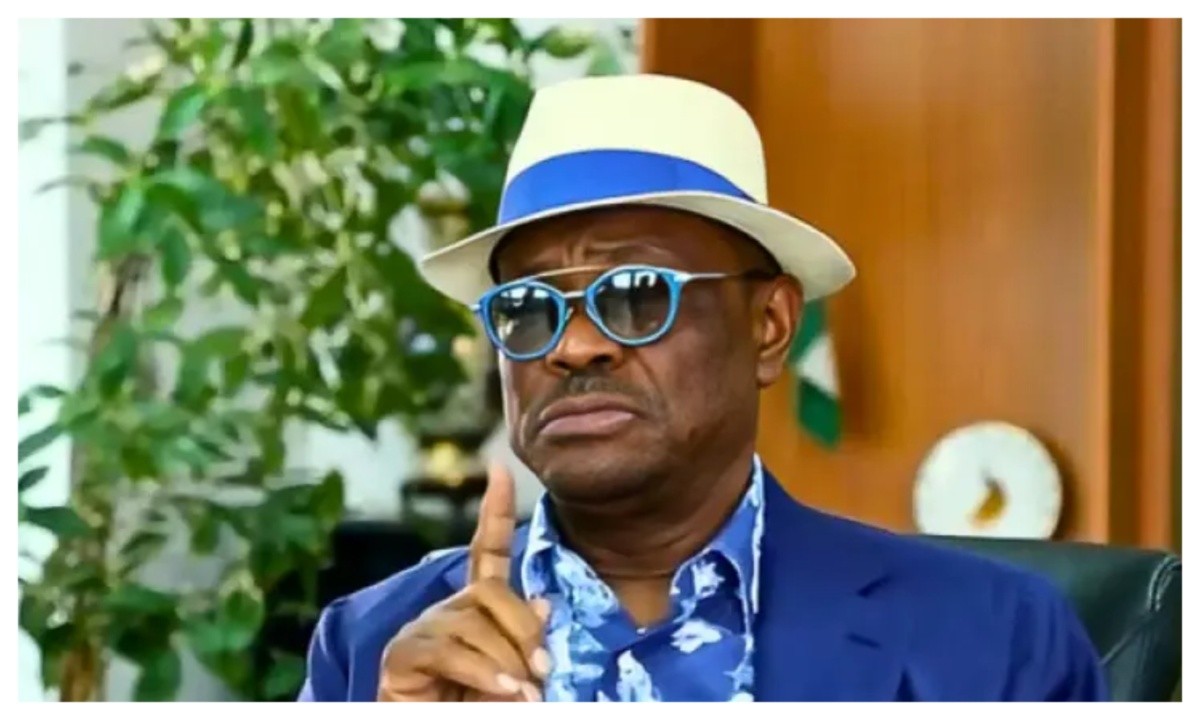
The elections were conducted across the six area councils, Abuja Municipal Area Council, Bwari, Gwagwalada, Kuje, Abaji and Kwali.
Reacting to the development, Falana described the minister’s action as unlawful, noting that many residents ignored the directive because it lacked legal foundation.
He maintained that the FCT minister plays no role in organising area council elections and therefore cannot issue directives relating to the exercise.
According to him, only the Independent National Electoral Commission has the authority to oversee and make official pronouncements concerning the conduct of elections.
He further emphasised that INEC operates independently under the constitution and is not subject to directives from the National Assembly, the President, or any other authority.
Falana also commented on the recently amended Electoral Act signed into law by Bola Tinubu.
He expressed concern that the failure to make electronic transmission of results mandatory represents a step backward in Nigeria’s electoral reforms.
He recalled that during the 2023 general elections, the transmission of results was optional, and civil society groups had advocated for it to become compulsory.
Falana said the focus should now be on resolving technical challenges, such as network issues cited in the past, rather than diluting provisions that could strengthen electoral transparency.
He added that the Nigerian Communications Commission had previously indicated that electronic transmission was feasible, insisting that any shortcomings should be addressed through improved infrastructure rather than abandoning the reform altogether.
FURTHER READING