- President Trump uses the State of the Union address to pressure Tehran into a new, more restrictive nuclear agreement.
- Despite a preference for diplomacy, the President warns that military options remain on the table as a massive naval fleet sits in the Middle East.
- Iranian officials reiterate that they have no intention of building a weapon, while the U.S. points to high-level uranium enrichment as a “sinister” sign.
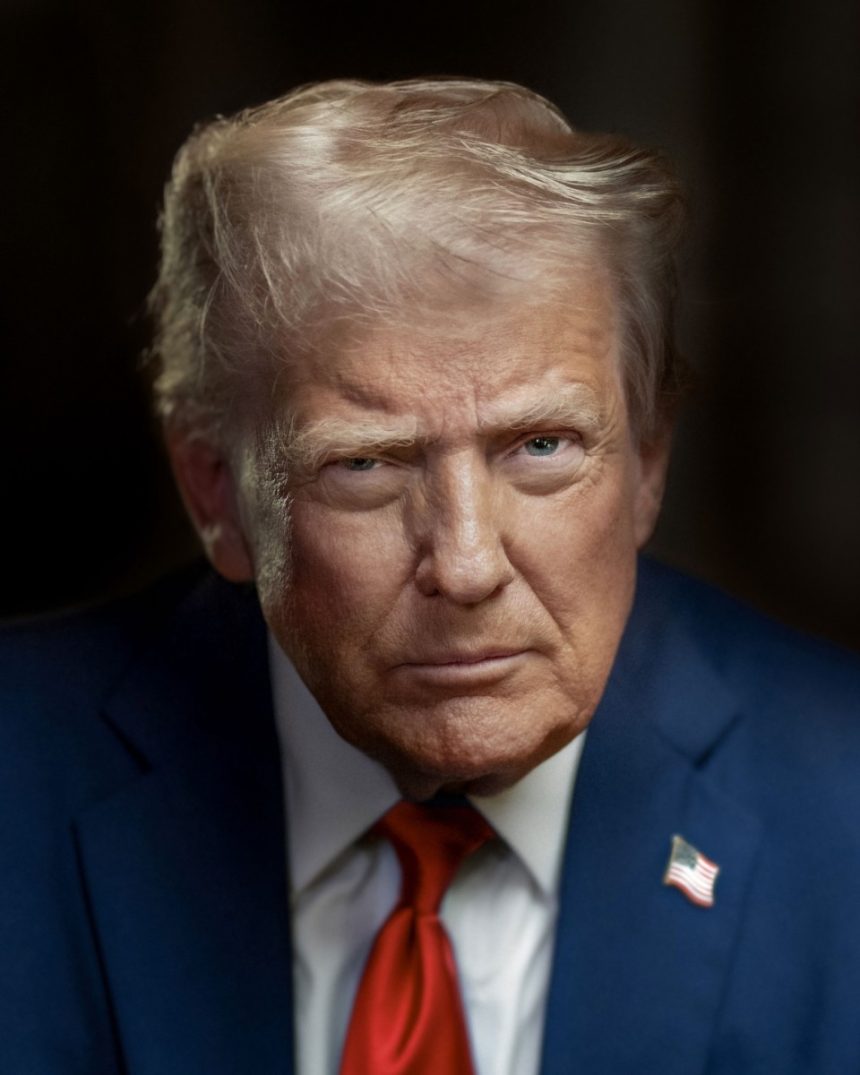
In a high-stakes State of the Union address delivered on Tuesday night, President Donald Trump issued a direct challenge to the Iranian government, demanding a clear and public commitment that it will never develop a nuclear weapon.
Eko Hot Blog reports that speaking before a joint session of Congress, the President emphasized that while his primary preference remains a diplomatic resolution, he is prepared to use all necessary means to prevent what he labeled the “world’s number one sponsor of terror” from achieving nuclear capabilities.
EDITOR’S PICK
- 540 Candidates Cleared as Lagos APC Moves to Elect LGA Executives
- Court Sentences Pastor to Death for Killing UniUyo Student
- Lagos Teacher Questions Lack of Recognition for One-Day Governor Mentors
The speech comes at a moment of extreme regional tension, with a massive deployment of U.S. naval assets currently positioned in the Middle East as a silent but powerful backdrop to the President’s rhetoric.
The President’s address highlighted a specific “red line” for his administration: the demand for a verbal and written guarantee using what he called the “secret words”, a definitive pledge that Iran will never possess a nuclear weapon.
Donald Trump argued that previous agreements and current indirect talks have failed to produce the level of certainty required for American national security.
He specifically referenced U.S. strikes conducted last summer on three Iranian nuclear sites, claiming that while those operations “wiped out” specific capabilities, intelligence now suggests Iranian officials are “again pursuing their sinister ambitions.”
This framing suggests that the White House views the current Iranian posture as a direct defiance of previous military warnings.
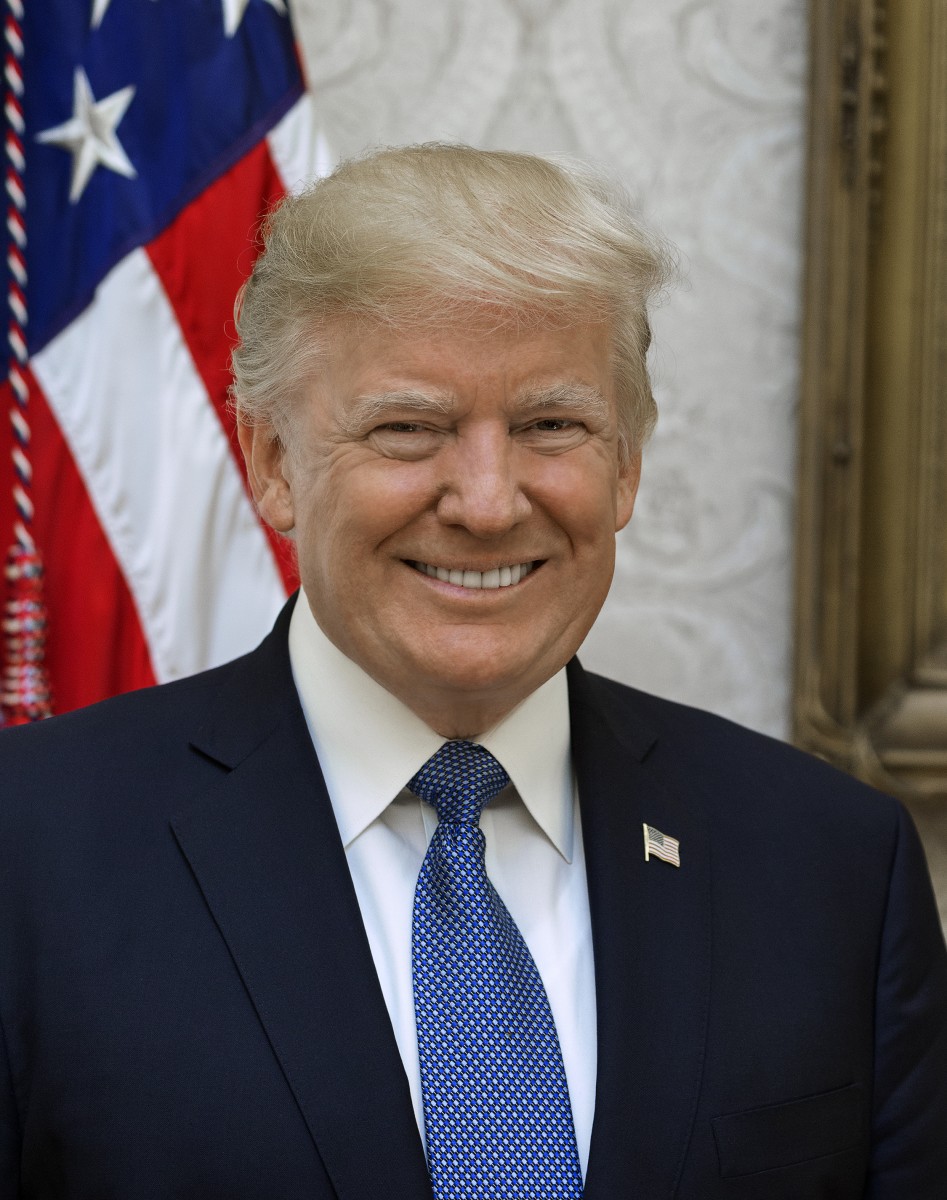
While the President spoke of diplomacy, the underlying threat of kinetic action was palpable. Previously, there were reports that Trump has pressed his senior military advisers for options that would deliver a “punishing strike” substantial enough to force Tehran back to the negotiating table under terms more favorable to Washington.
However, military planners have reportedly expressed caution, warning that such strikes could inadvertently trigger a broader, uncontrollable regional conflict rather than a diplomatic breakthrough.
When questioned by analysts shortly before the speech about his specific timeline for action, the President remained characteristically enigmatic, stating simply, “we’ll find out.”
The Iranian response has been one of public denial coupled with a firm insistence on their right to sovereign technology. Earlier on Tuesday, Iranian Foreign Minister Abbas Araghchi took to social media to state that Iran would “under no circumstances ever develop a nuclear weapon.”
However, this has done little to ease Washington’s concerns. U.S. intelligence officials point to the fact that Iran has continued to enrich uranium well beyond the levels required for peaceful energy or medical applications.
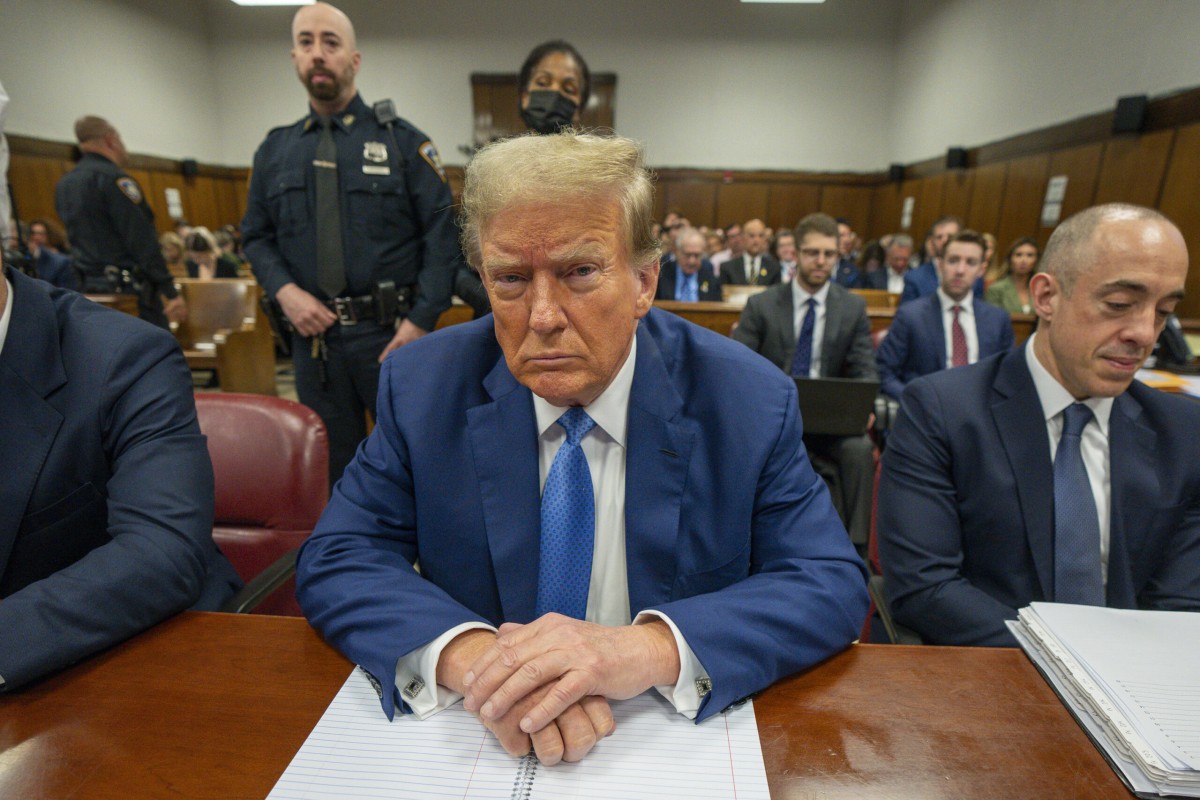
The gap between Iran’s public “peaceful” assertions and its technical advancements remains the central friction point that the Trump administration appears determined to close through intense pressure.
The 2026 State of the Union also touched upon broader international tensions, including a deteriorating relationship with France following a diplomatic snub of U.S. Ambassador Charles Kushner and ongoing adjustments within NATO.
Yet, the standoff with Iran remained the most urgent foreign policy priority of the night.
As the U.S. carrier strike groups remain on high alert in the Persian Gulf, the world waits to see if the President’s latest ultimatum will lead to a new round of high-level negotiations or the beginning of a military escalation that planners have long feared.