
- He said the intervention has transformed the centre into a more durable and climate-resilient hub for immunisation services
- The minister explained that the previous facility was severely damaged during the 2024 floods
- the upgraded structure has been redesigned to better withstand potential environmental challenges
The Federal Government has inaugurated a newly rebuilt Central Cold Chain facility in Maiduguri, Borno State, valued at $406,000, to strengthen vaccine storage and distribution across the state and surrounding areas.
The project was unveiled on Friday by the Minister of Health and Social Welfare, Muhammed Pate, who was represented at the event by the Executive Director of the National Primary Health Care Development Agency, Dr. Muyi Aina, Eko Hot Blog gathered.
EDITOR’S PICK
- Grand Wedding Reception: Halimot, Saheed Mark Their Union
- Ikosi-Ejinrin LCDA Celebrates Former Chairman, Hon. Segun Adetola, on Birthday
- Sanwo-Olu Flags Off Free Eye Screening for 1,000 Lagos Police Officers
The minister explained that the previous facility was severely damaged during the 2024 floods, leading to the destruction of vaccines and critical infrastructure.

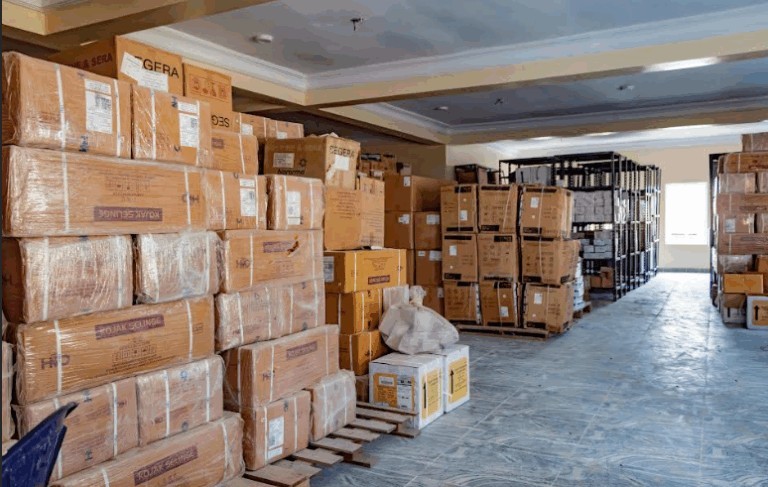
He noted that the reconstructed centre is more advanced and resilient, with expanded storage capacity and a solar-powered system designed to ensure uninterrupted operations.
According to him, the upgraded structure has been redesigned to better withstand potential environmental challenges, with vaccines now stored on elevated levels to reduce future flood risks.
Pate commended the collaboration between the Federal Government, the Borno State Government, and development partners for restoring the facility and improving its capacity to serve children and communities across the state.
Also speaking at the ceremony, the Chief of UNICEF’s Maiduguri Field Office, Francis Bitchi, disclosed that the reconstruction was financed by the governments of Germany and Canada at a cost of about $406,000.
He said the intervention has transformed the centre into a more durable and climate-resilient hub for immunisation services.
Bitchi revealed that nearly one million vaccine doses were lost during the flooding, along with about half of the cold chain equipment, a setback that threatened routine immunisation services across Borno’s 27 local government areas, which serve an estimated 7.5 million people.
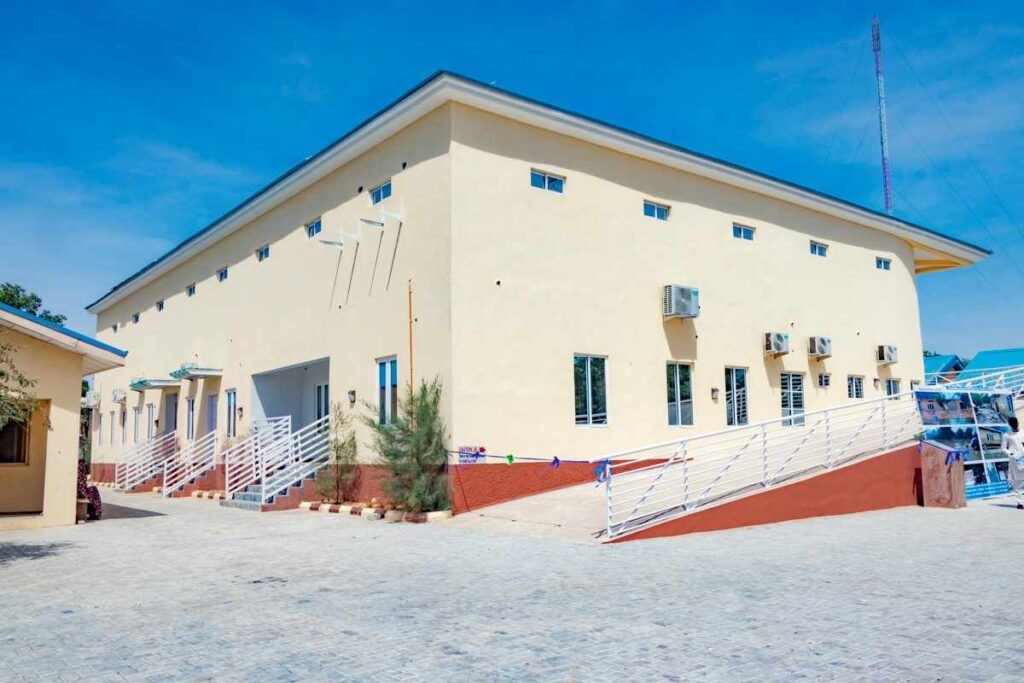
He added that the facility has now been fully restocked with close to one million vaccine doses, while damaged equipment, data tools, and essential supplies have been replaced. Improvements also include reinforced storage systems, upgraded racks, and added meeting spaces to support coordination and training.
According to UNICEF, the revitalised cold chain store will enhance routine immunisation, strengthen outbreak response efforts, support strategies to reach zero-dose children, and improve vaccine security in remote communities.
Bitchi, however, called for sustained funding to maintain cold chain systems, boost logistics for last-mile delivery, recruit and retain health workers, especially in hard-to-access areas, and ensure timely release of health financing, including resources under the Child Nutrition Fund.
He reaffirmed UNICEF’s commitment to partnering with federal and state authorities to expand access to life-saving vaccines and quality primary healthcare services for children in Borno State.
FURTHER READING