- Akpabio further stated that while the ruling party is already engaging in consultations
- He also pointed to internal disagreements within some opposition parties, arguing that leadership conflicts have weakened their unity
- He added that the Peoples Democratic Party (PDP), which previously operated as a united political force
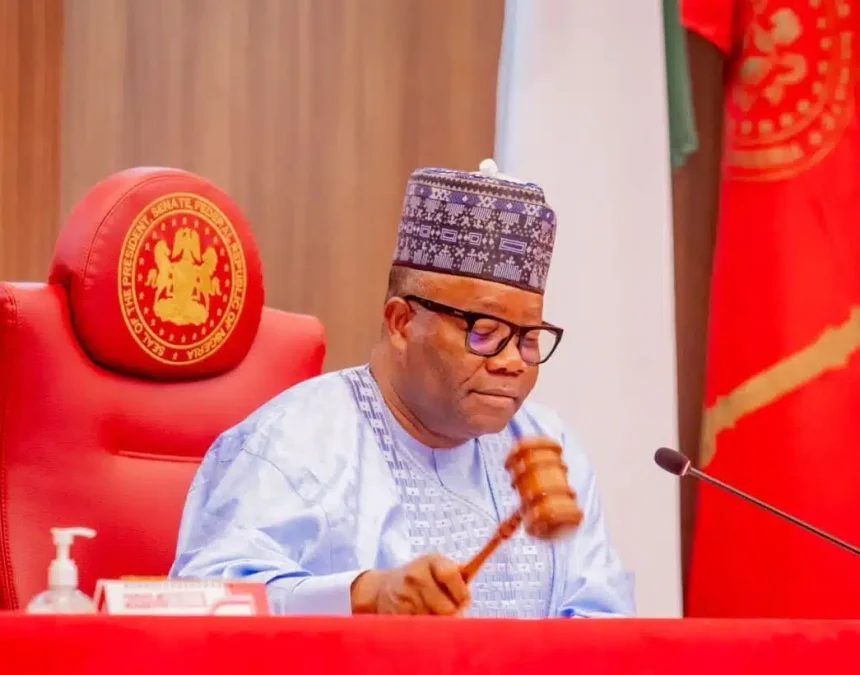
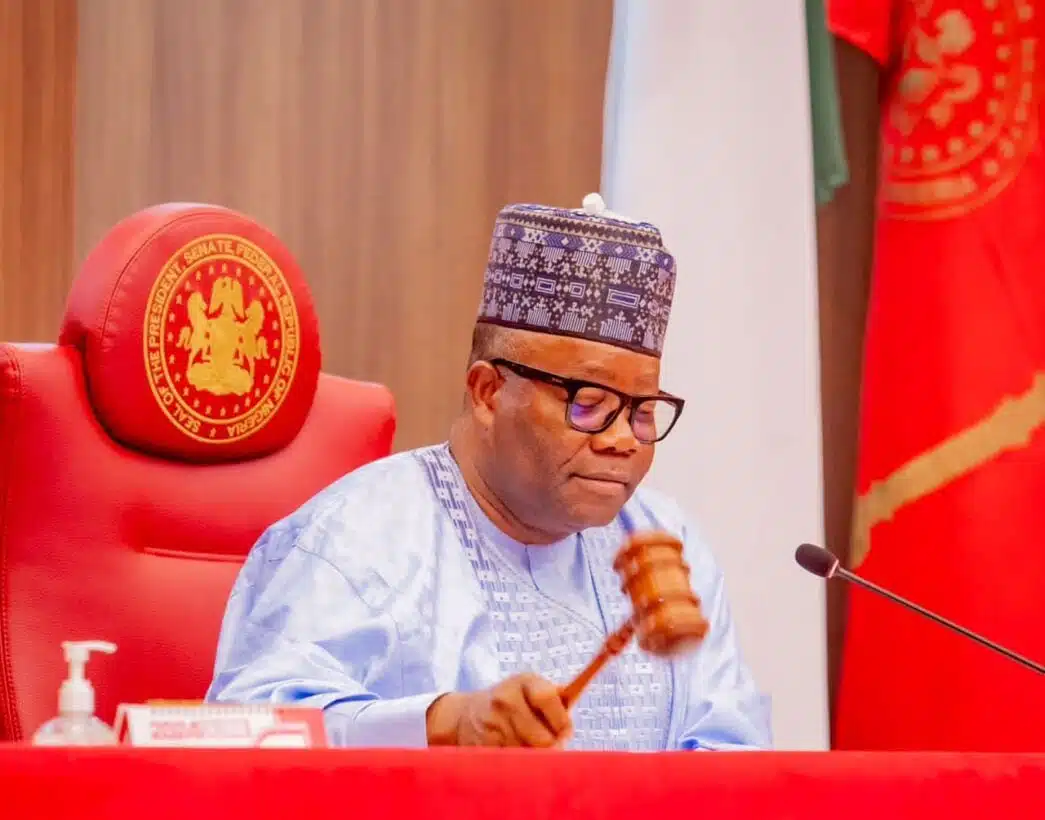
Godswill Akpabio, President of the Nigerian Senate, has said opposition parties in the country may remain disorganised until after the 2027 general elections.
Eko Hot Blog reports that Akpabio made the remark while speaking at a reception in Uyo organised in honour of Nigeria’s First Lady, Oluremi Tinubu.
EDITOR’S PICK
- Nigeria Awaits FIFA Verdict On DR Congo Player Eligibility Dispute
- Trump Says Diplomacy Is “Much Easier” Now After Decapitating Strikes on Iran
- Senate Targets 2026 for State Police Amendment
According to the Senate President, the early political activities by opposition groups before the timeline set by the Independent National Electoral Commission (INEC) suggest that many of them are struggling to put their internal structures in order.
He noted that criticism from opposition parties whenever new laws are passed by the government often reassures him that the decisions taken are appropriate.
Akpabio further stated that while the ruling party is already engaging in consultations and strengthening its political base nationwide, many opposition groups are still grappling with organisational challenges and attempts to restructure their platforms.
He also pointed to internal disagreements within some opposition parties, arguing that leadership conflicts have weakened their unity and influence.
Using the Labour Party as an example, Akpabio said the party that once attracted significant electoral support is now battling internal issues and divided leadership across different regions.
He added that the Peoples Democratic Party (PDP), which previously operated as a united political force, is now dealing with multiple leadership disputes and parallel offices in Abuja, raising questions about its internal coordination.
FURTHER READING