- Nigeria Expands Health Insurance Coverage to 21.7m – 2025 Health Report
- Trains 78,146 Health Workers in Two Years
- National Health Insurance Authority Expands Maternal Care Access Nationwide
Nigeria recorded notable progress in its health sector reforms in 2025, including the training of more than 23,000 additional frontline health workers during the year, Eko Hot Blog reports.
This brought the total number of frontline health workers trained in the last two years to 78,146, according to the 2025 State of Health of the Nation Report.
EDITOR’S PICK
- Don’t Import Foreign Conflicts, Chief Imams Tell Nigerians
- Lagos Well Positioned for State Police Takeoff- LNSA GM
- Tinubu Approves ₦1trn Road Projects, Plans New Carter Bridge
The report, released on Saturday in Abuja, was produced by the Federal Ministry of Health and Social Welfare in line with the National Health Act.
It provides a comprehensive assessment of progress under the Nigeria Health Sector Renewal Investment Initiative and the Sector-Wide Approach for coordinating health investments and reforms.
According to the report, the trained frontline health workers represent about 65 per cent of the Federal Government’s target of 120,000 workers aimed at strengthening healthcare delivery, particularly at the primary healthcare level.
The report also highlighted improvements in financial protection for Nigerians through expanded health insurance coverage.
It disclosed that the number of Nigerians with some form of health insurance increased from 19.2 million in 2024 to 21.7 million in 2025, representing about 13 per cent national coverage.
The government also secured a presidential commitment to fully implement mandatory health insurance across the country.
To support sustainability of healthcare services, the report noted that capitation payments were increased by 93 per cent, while fee-for-service payments rose by 378 per cent to reflect current economic realities.
The Basic Health Care Provision Fund 2.0, launched in October 2025 with new operational and fiduciary reforms, enrolled about 2.7 million Nigerians by the fourth quarter of the year.
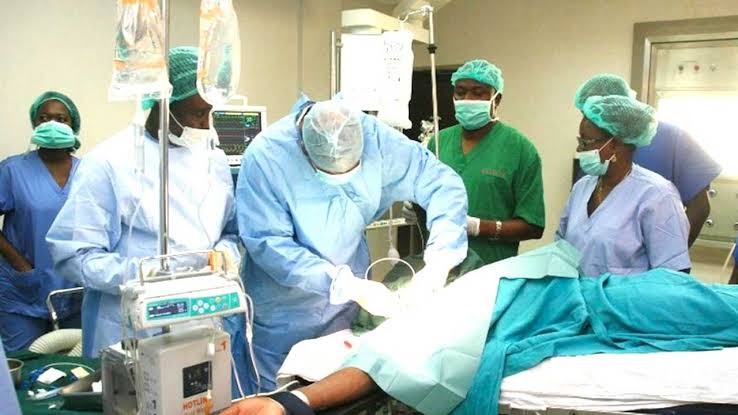
On maternal and newborn healthcare services, the report said the National Health Insurance Authority signed memoranda of understanding with more than 200 health facilities to expand access to Comprehensive Emergency Obstetric and Newborn Care (CEmONC) for poor and vulnerable women.
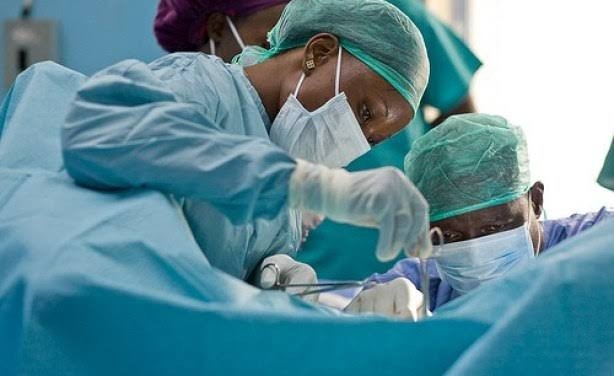
According to the report, CEmONC services reached 19,270 women nationwide, while 20,486 claims were reimbursed to 186 healthcare facilities. In total, 242 facilities across the country were empanelled under the maternal component of the programme.
The neonatal component of the initiative was also launched in seven health facilities in Kano State and Lagos State in September 2025.
Emergency response services were strengthened during the year, with State Emergency Medical Services and Ambulance Systems responding to 26,431 maternal emergencies nationwide.
Similarly, the Rural Emergency Services for Maternal and Newborn Transport initiative supported 34,331 pregnant women and newborns across 124 local government areas through dedicated rural transport systems.
The report also highlighted progress in disease prevention and treatment programmes.
Nigeria began implementing the malaria vaccine in Bayelsa State and Kebbi State, marking a major milestone in the country’s malaria control efforts.
In addition, the HIV programme maintained treatment coverage above 87 per cent and viral suppression above 95 per cent, contributing to a continued reduction in new infections.
On health security, the Federal Government launched the second National Action Plan on Health Security aimed at integrating disease surveillance, immunisation and veterinary services into a coordinated emergency response framework.
A digital platform known as MSDAT was also introduced to provide interactive dashboards for monitoring health system performance and the quality of healthcare delivery.
The report further highlighted progress in strengthening Nigeria’s health value chain through local manufacturing of medical products.
It noted that tax waivers worth over ₦6 billion were granted under the Presidential Executive Order on Health Products, benefiting 47 pharmaceutical manufacturers.
Nigeria also inaugurated new manufacturing facilities, including a Rapid Diagnostic Test factory established by Codix Bio and a syringe production plant with a daily capacity of 750,000 units.
According to the report, 37 pharmaceutical facilities are currently undergoing upgrades to meet international Good Manufacturing Practice standards, while about 38 per cent of publicly procured medicines and health commodities were sourced locally.
To strengthen medicine supply chains and combat counterfeit drugs, the National Agency for Food and Drug Administration and Control seized and destroyed more than ₦1 trillion worth of banned, expired and substandard medical products in 2025.
The report stated that these achievements form part of broader reforms under the Health Sector Strategic Blueprint (2023–2027), which focuses on improving maternal and child health, expanding immunisation, strengthening the health workforce, improving supply chains and enhancing pandemic preparedness.
FURTHER READING
- Tinubu-Led FEC Revives Literacy Commission, Approves University Moratorium
- Obasanjo at 89: Tinubu Applauds Former President’s Service to Nigeria, Africa
- Tinubu Swears In Disu as 23rd Inspector-General of Police
Click here to watch video of the week