- His appointment comes as the country faces one of the most serious crises in its history following the outbreak of war in the region
- Over the years, he has developed strong relationships with senior clerics and members of the IRGC
- Analysts say his selection could signal that hardline factions remain firmly in control of the Iranian political establishment
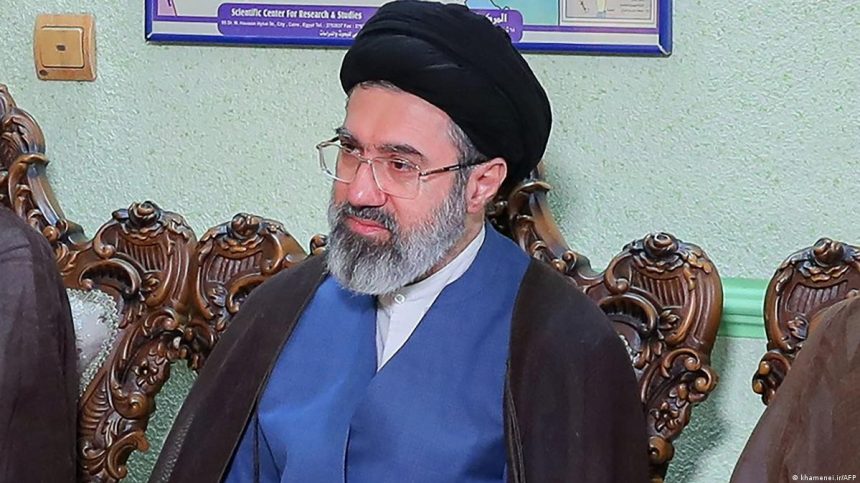
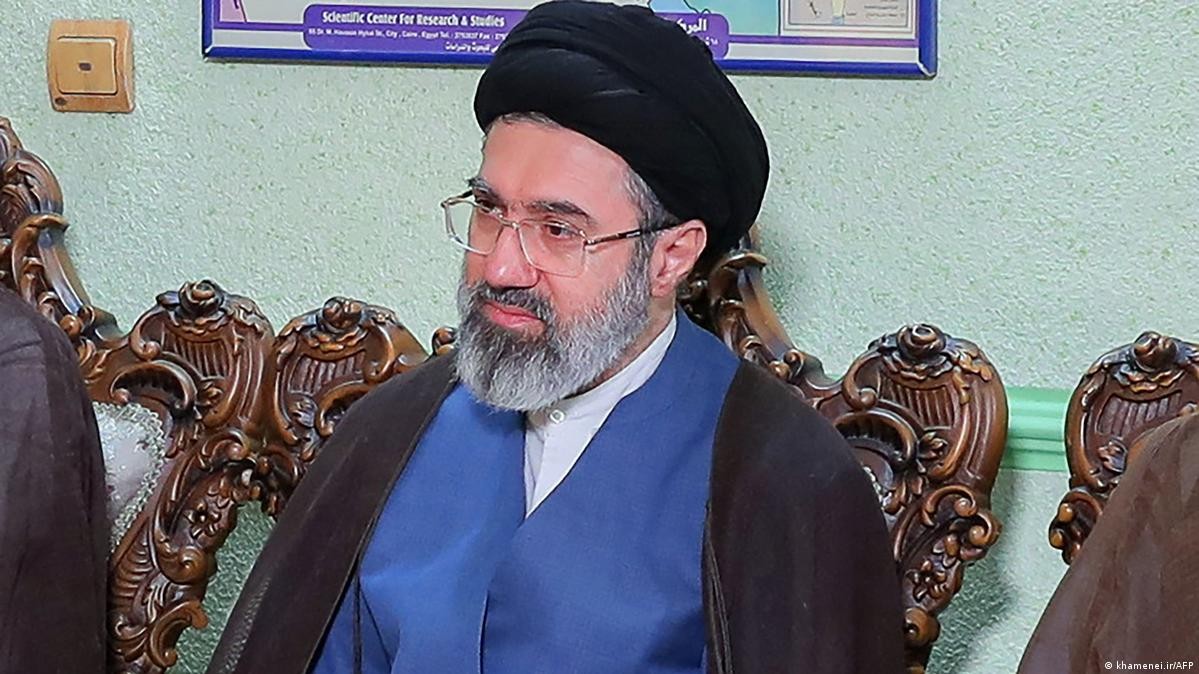
Iran has appointed Mojtaba Khamenei as its new supreme leader, a little over a week after the killing of his father, Ali Khamenei, in joint airstrikes carried out by the United States and Israel.
Eko Hot Blog gathered that the 56-year-old cleric was selected on Sunday by the Assembly of Experts, the institution responsible for appointing and supervising Iran’s supreme leader.
EDITOR’S PICK
- “Pay Her Transport Fare Too”, Pete Edochie Stirs Debate on Dating Expenses
- Epe Students Parliament Declares Executive Seats Vacant Over Inauguration Dispute
- Osimhen Warns Galatasaray Ahead of Liverpool Match
His appointment comes as the country faces one of the most serious crises in its history following the outbreak of war in the region.
Soon after the announcement, several powerful figures and institutions within Iran pledged their loyalty to the new leader. Support came from the Islamic Revolutionary Guard Corps (IRGC), the armed forces, and senior political leaders.
Ali Larijani, secretary of the Supreme National Security Council, called on the nation to unite behind Mojtaba Khamenei as the country navigates the ongoing conflict.
Similarly, parliament speaker Mohammad Bagher Ghalibaf described loyalty to the new leader as both a religious and national responsibility.
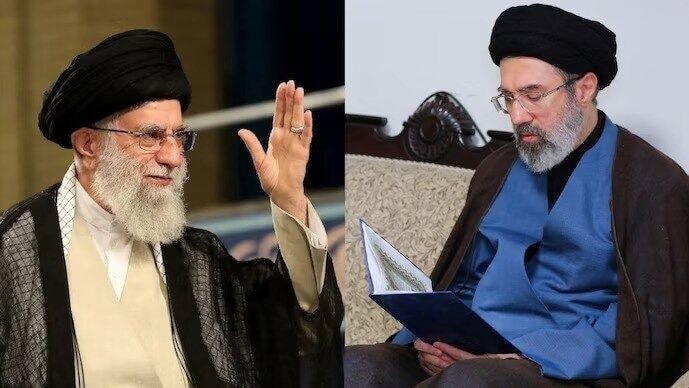
Although Mojtaba Khamenei has never contested a public election, he has long been considered a highly influential figure within Iran’s leadership circle.
Over the years, he has developed strong relationships with senior clerics and members of the IRGC, making him one of the most widely discussed potential successors to his father.
Analysts say his selection could signal that hardline factions remain firmly in control of the Iranian political establishment. Observers believe this may reduce the likelihood of immediate negotiations with the United States or Israel as the conflict continues.
Commenting on the development, analyst Ali Hashem described Mojtaba Khamenei as someone who has closely followed his father’s political positions, particularly regarding relations with the United States and Israel.
Experts suggest this could mean the new leader will adopt a confrontational stance in the short term. However, some believe that if the war eventually subsides, there may be opportunities for new diplomatic approaches.
Meanwhile, Rami Khouri said the appointment represents continuity within Iran’s leadership structure and could also be interpreted as a message of defiance to Washington and Tel Aviv.
The decision to elevate Mojtaba Khamenei has also drawn reactions from abroad. Donald Trump, president of the United States, previously criticised the possibility of his appointment and warned that any successor to the late supreme leader could face consequences if Iran’s policies remain unchanged.
Israeli officials had earlier warned that any future Iranian leader could also become a target if the conflict escalates further.
Despite such remarks, Iranian authorities have insisted that the choice of the supreme leader is an internal matter and that no foreign government will influence the country’s leadership decisions.
The appointment took place amid ongoing fighting across the region. In recent days, Israeli strikes reportedly targeted several oil facilities around Tehran, causing fires and sending thick smoke into the sky.
At the same time, the IRGC said Iran still has the capacity to sustain missile and drone operations across the Middle East for months. A spokesperson for the group, Ali Mohammad Naini, said the country has so far deployed only early-generation missiles but could introduce more advanced long-range weapons if the conflict continues.
While Washington maintains that it holds the upper hand in the war, analysts warn that there is still no clear path toward ending the escalating confrontation between Iran, the United States and Israel.
FURTHER READING