- ‘We Will Resist’ – Makoko Residents Oppose Move to Epe
- Silivester argued that decisions affecting the community should involve proper consultation
- Lawmakers also urged the state governor, Babajide Sanwo-Olu, to direct the Special Adviser on E-GIS to review the enumeration report submitted by the affected communities
Some residents of Makoko, Oko-Agbon and Sogunro in the Yaba area of Lagos have rejected plans to relocate them to Epe following the demolition of homes in the waterfront communities.
Eko Hot Blog reports that the residents, who spoke in separate interviews, said there was no agreement between them and the government on relocation to another part of the state.
EDITOR’S PICK
- LASG Arrests 107 Beggars, Suspected Miscreants in Enforcement Raid
- Residents Block Highway With Corpse Over Insecurity
- Tinubu Transmits 2026 FCT Budget Proposal to House of Rep
Secretary of the Makoko Gunuvi Student Association, Zannu Silivester, said discussions held between the communities and the government were merely consultations and debates, adding that no final decision had been reached.
“All discussions held so far have only involved suggestions and debates between the Lagos State Government and residents of the Makoko waterfront community,” he said.
“We are surprised that a conclusion was announced and published without the knowledge or agreement of the Makoko community.”
Silivester argued that decisions affecting the community should involve proper consultation, insisting that residents must be allowed to determine their future.
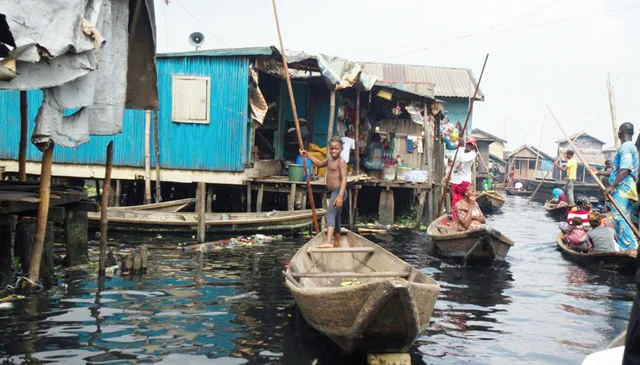
He also criticised claims that the Oloto Royal Family are the ancestral owners of the Makoko waterfront communities, noting that the area has long been inhabited by the Ogu (Gunuvi) people whose livelihood is largely based on fishing.
He warned that residents may organise peaceful protests if their concerns continue to be ignored.
Another community leader, Isaac Dosugan, said previous discussions with the government centred on defining a boundary within the water area and developing remaining sections into low-cost housing for residents.
According to the 75-year-old elder, the proposed relocation contradicts the understanding reached during earlier meetings.
“I was born in this community and I am 75 years old. Our suggestion was that the government should designate a boundary for us in the water area and develop the remaining areas into proper residences for us,” he said.
“It is surprising that they are now saying that they will relocate us. We will not agree to this.”
The controversy followed a recommendation by the Lagos State House of Assembly during plenary, which suggested that residents affected by the demolition be relocated to a proposed low-cost housing estate in the Agbowa area of the state.
The recommendation was contained in a report presented by the Chairman of the House Committee on Rules and Business, Noheem Babatunde Adams, after engagements with community representatives and government agencies.
Lawmakers also urged the state governor, Babajide Sanwo-Olu, to direct the Special Adviser on E-GIS to review the enumeration report submitted by the affected communities.
The demolition exercise, which began late last year, displaced thousands of residents, including elderly people, women and children, and destroyed several homes and properties.
The affected waterfront communities rely largely on fishing for their livelihood and have historically lived along the water due to the nature of their occupation.
The demolition had earlier triggered protests by residents and civil society organisations demanding a clear resettlement plan and adequate compensation for those displaced.