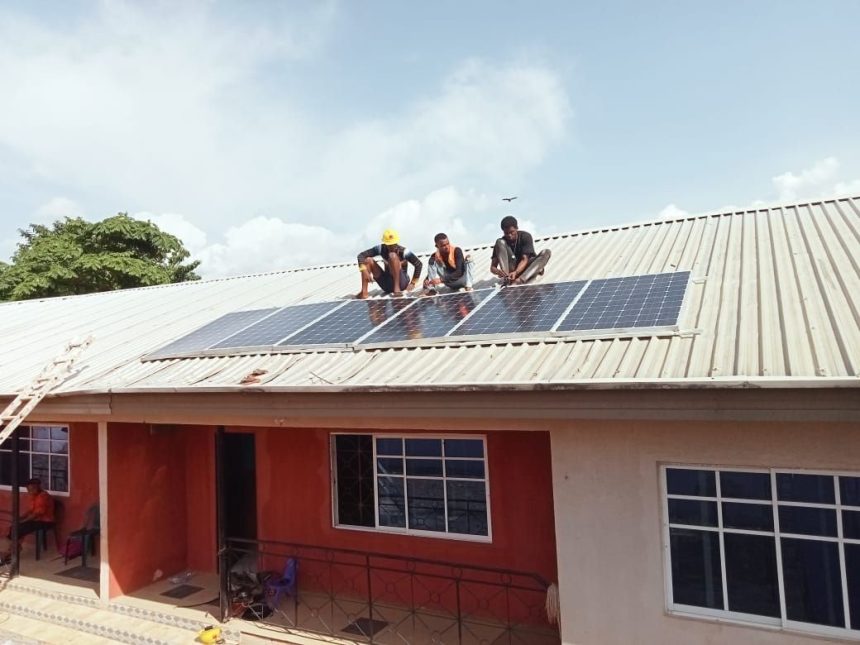
- Get Approval Before Installing Solar Panels in Estates – Lagos Govt
- Moves to Curb Fire Risks, Structural Damage
- Toriola added that the guidelines also cover the quality of materials used, installation standards, and the technical competence of installers to minimise risks
The Lagos State Ministry of Housing has reminded residents living in government-owned estates that they must obtain official approval before installing solar panels or making any external changes to their buildings.
Eko Hot Blog reports that the clarification was given by the Permanent Secretary of the Ministry, Abdulhafis Toriola, following a social media complaint by a resident who questioned the requirement during an inspection at the Lagos State Millennium Housing Estate.
EDITOR’S PICK
- EFCC Warns Nigerians Over Fake Officers, Illegal Sting Operations
- COVID-19 Alert in Calabar as Chinese National Undergoes Isolation
- Invest in Lagos, Sanwo-Olu Tells Commonwealth at London Summit
Toriola explained that the rule applies to all property allottees and is clearly stated in the Letter of Allocation and the Allottees Guide issued at the point of purchase.
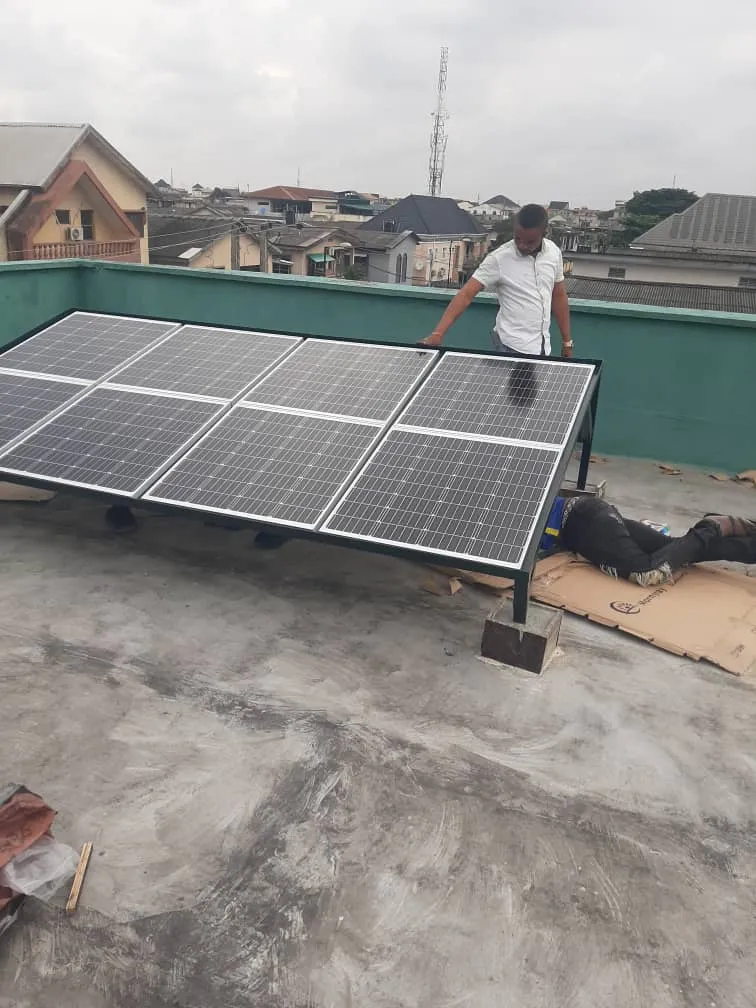
According to him, any form of structural alteration including the installation of solar panels requires prior approval from the ministry.
He said the directive is necessary to protect shared parts of the buildings such as rooftops, walls, and water systems, as well as to reduce safety risks, especially those linked to poorly installed solar systems.
The permanent secretary noted that the ministry had to introduce stricter guidelines after observing that some solar installations were causing more problems than benefits in certain estates.
“In recent times, we have had to intervene in cases involving leaking roofs and even fire incidents linked to solar panel installations,” he said.
He further explained that government housing estates are designed as shared spaces, where multiple households sometimes up to 32 live within a single building and rely on interconnected facilities.
Because of this, any modification by one resident could affect others, making regulation necessary to ensure safety and structural integrity.
Toriola added that the guidelines also cover the quality of materials used, installation standards, and the technical competence of installers to minimise risks.
Beyond safety, he said the rules help protect residents’ collective interests, maintain insurance coverage on buildings, and ensure fair access to limited rooftop space among occupants.
The ministry, he added, remains open to feedback and has continued to sensitise residents on the importance of compliance.
He urged residents to always seek clarification and follow proper procedures to promote safety and peaceful coexistence within government-owned estates.
FURTHER READING
- Nigerian Fraudster Admits Role in $50 Million Email Scam Network
- FG Begins Review of Agricultural Curricula to Bridge Skills Gap
- Nigeria Records Economic Growth in Q1 Amid Persistent Risks
Click here to watch video of the week