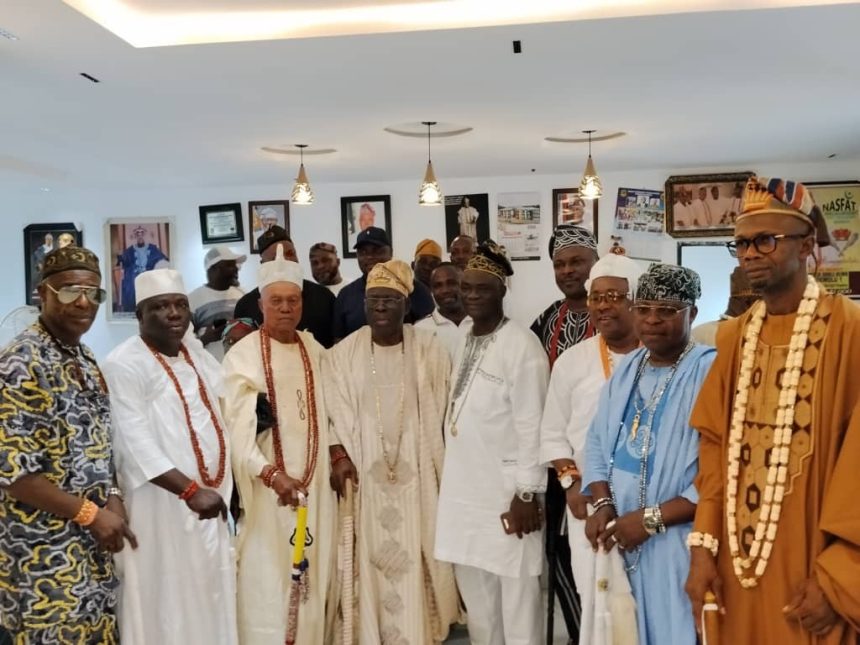
- Kilajolu Festival celebrates ancestral heritage, unity, and spiritual renewal in Odo Egiri Kingdom
- Oba Musiliu Abiola Oliwo emphasizes cleansing, prayers, and community protection
- Royal fathers across Epe Division commend unity and cultural preservation
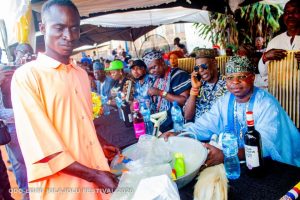
The ancient town of Odo Egiri Kingdom was filled with pomp, reverence, and cultural splendor as the people gathered to celebrate the historic Kilajolu Festival, a sacred tradition deeply rooted in the customs and spiritual life of the kingdom.
Unlike ordinary festivities, the Kilajolu Festival in Odo Egiri is a solemn yet colorful convergence of rites, ancestral homage, and communal renewal.
EDITOR’S PICK
- Lagos Monarchs Partner Nigeria Security, Civil Defence Corps to Safeguard National Assets
- DSS Arrests Woman Over Alleged Ammunition Supply to Bandits in Kano
- Environmental Crackdown: Lagos Seals Access Bank Plc Facility in Oniru
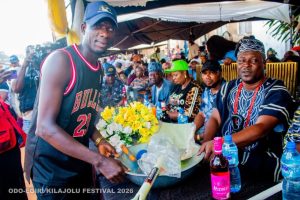
Eko Hot Blog reports that the event witnessed a grand display of traditional performances, chants, and symbolic rituals that reflect the kingdom’s origin, beliefs, and enduring legacy. Elders, youths, and returning indigenes from across the country and in the diaspora were all present, adding depth and pride to the celebration.
A significant highlight of the Kilajolu Festival is the traditional rite that begins at the palace, where the masquerade performs a symbolic act by striking the monarch with a cane, an age-long ritual that signifies purification, renewal, and the reaffirmation of cultural authority.
Following this sacred moment, the masquerade proceeds through the town, moving from street to street with the cane, carrying out the beating rite as part of the spiritual exercise believed to cleanse the land, ward off evil, and invoke protection and blessings for the entire community.
In his royal address, the Aladepekun of Odo Egiri Kingdom, Oba Musiliu Abiola Oliwo, emphasized the spiritual depth of the festival and its relevance to the wellbeing of the people.
“Kilajolu is not just a celebration; it is a sacred duty. It is a time to cleanse our land, seek divine guidance, and offer prayers for all our sons and daughters, both at home and abroad, while securing peace and protection for our community,” he declared.
He further urged residents to remain united and committed to preserving their cultural heritage.
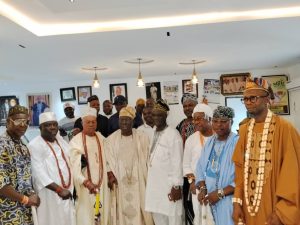
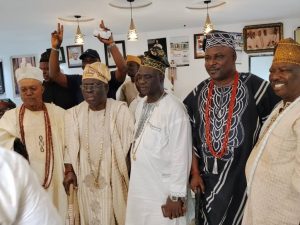
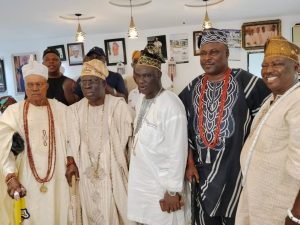
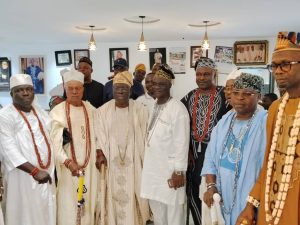
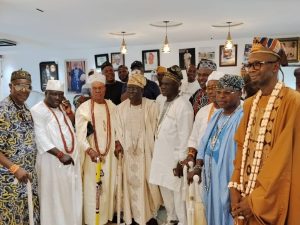
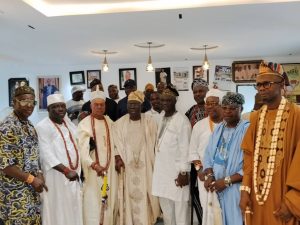
The festival attracted prominent royal fathers from across Epe Division who came to honor the Aladepekun and show solidarity with the people of Odo Egiri.
The monarch of ladaba Kingdom, Oba Nureni Odedina, felicitated with the kingdom, praising the people’s dedication to tradition.
“I celebrate with Kabiyesi, Oba Musiliu Abiola Oliwo, and the entire people of Odo Egiri. Your commitment to preserving culture is commendable. May your land continue to enjoy peace, unity, and steady progress,” he said.
Also, the Alade Uraka of Poka, Oba Ayodele Aliyu, commended the unity displayed during the celebration.
“This festival reflects strength, identity, and togetherness. I encourage the people of Odo Egiri to continue to uphold unity and cooperation for greater development,” he noted.
The Alayandelu of Odo Ayandelu, Oba Asunmo Aderibigbe, extended warm royal greetings and prayers for the kingdom.
“I felicitate with the Aladepekun and the good people of Odo Egiri. May your heritage continue to thrive and your unity remain strong,” he stated.
Similarly, the monarch of Owu-ikosi Kingdom, Oba Nelson Ogunlari, applauded the peaceful and well-organized nature of the festival.
“Kilajolu reminds us of our roots and shared values. I urge the people to continue living in peace and strengthening their communal bonds,” he added.
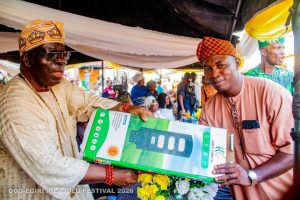
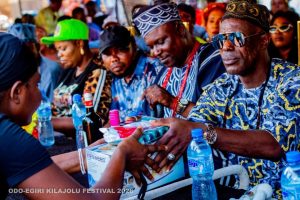
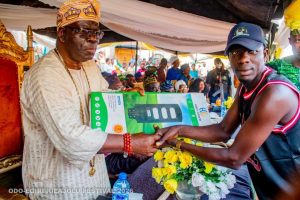
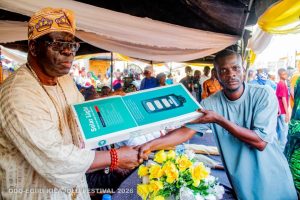
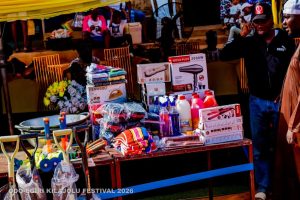
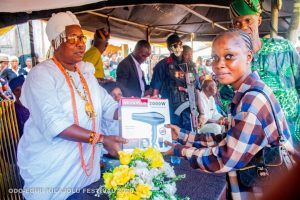
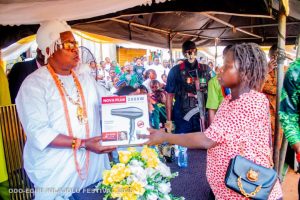
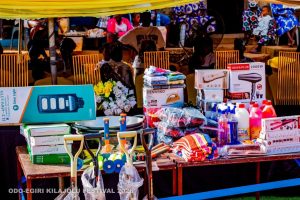
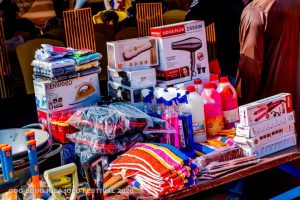
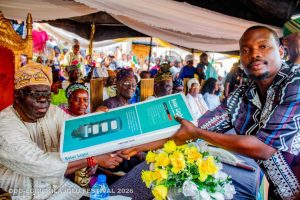
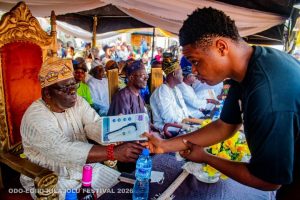
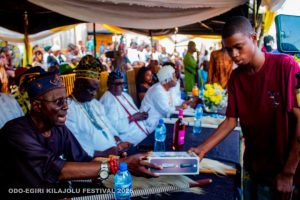
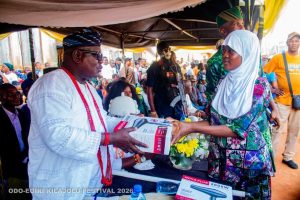
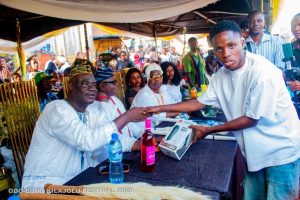
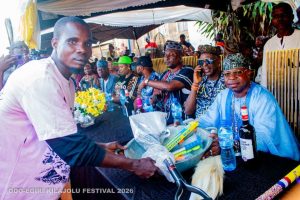
The festival also featured a significant empowerment initiative aimed at improving the livelihoods of residents within the community.
In a move to support skill development and economic growth, selected beneficiaries were equipped with tools and resources to enhance their trades.
Five bricklayers and five carpenters received professional working tools to boost their productivity, while five hairdressers and five tailors were also empowered with essential equipment to strengthen their businesses.
In addition, ten solar lights were distributed to support access to sustainable energy within the community, particularly in areas with limited electricity supply.
The initiative was widely applauded by residents, who described it as a thoughtful gesture that complements the cultural significance of the Kilajolu Festival by directly impacting the welfare and economic stability of the people.
The Kilajolu Festival in Odo Egiri once again stood as a powerful symbol of cultural identity, spiritual renewal, and communal unity, reinforcing the kingdom’s enduring legacy as a custodian of rich Yoruba tradition.