- Maritime analysts say the situation remains largely unchanged, as Iran continues to maintain control
- Officials also warned that any vessel attempting to pass without approval could face military action
- They stress that uncertainty over navigation rules and security conditions continues to discourage movement
Shipping experts have downplayed expectations of a sudden surge in vessel movements through the Strait of Hormuz, despite a temporary two-week ceasefire agreement between the United States and Iran that allows limited reopening of the key maritime route.
Eko Hot Blog reports that Iranian authorities announced on Wednesday that ships would be granted safe passage, but only under strict coordination with the country’s armed forces.
EDITOR’S PICK
- Easter Celebration: Sanwo-Olu Encourages Love, Sacrifice, Coexistence
- Enough Is Enough Defend Yourselves’ – CAN Urges Northern Christians
- NLC Orders Street Protests Over Minimum Wage
Officials also warned that any vessel attempting to pass without approval could face military action.
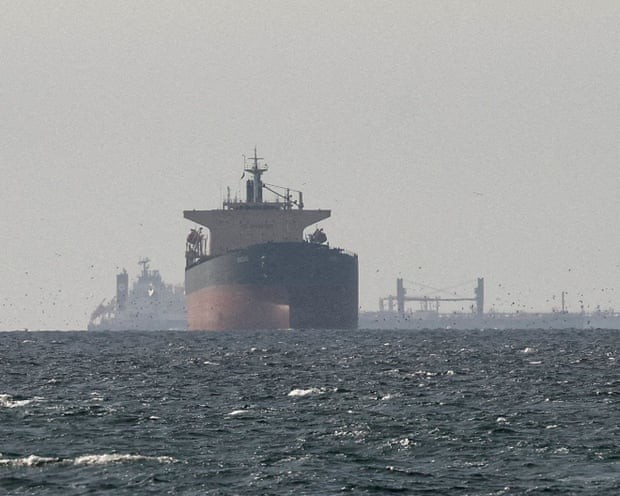
Reports later indicated that some tankers had already been halted, with Tehran citing ongoing regional tensions, including fresh Israeli strikes in Lebanon, as a breach of ceasefire conditions.
Maritime analysts say the situation remains largely unchanged, as Iran continues to maintain control over access to the narrow waterway.
According to industry experts, vessels must still obtain clearance before transit, meaning normal shipping operations are unlikely to resume immediately.
Since the conflict escalated in late February, the United Nations estimates that about 2,000 vessels and 20,000 seafarers have been stranded in the Gulf, including oil tankers, cargo ships, and cruise liners.
Although some shipowners have begun preparing for possible departures, experts caution that most vessels will remain anchored until clear safety guarantees are established.
They stress that uncertainty over navigation rules and security conditions continues to discourage movement.
Under Iran’s ceasefire framework, safe passage is permitted under military supervision, continuing a system where only vessels deemed “non-hostile” are allowed through. Traffic through the strait has dropped significantly, with only a small fraction of the usual daily crossings recorded in recent weeks.
The plan may also include transit fees for ships passing through the corridor, while vessels are being directed along alternative routes within Iranian-controlled waters, further limiting capacity.
Shipping groups and labour unions have welcomed the ceasefire but insist that more clarity is needed before normal operations can resume. They say confidence among ship operators remains low following recent attacks on vessels and casualties among crew members.
International maritime authorities have also called for coordinated efforts to ensure safe navigation and the possible evacuation of stranded seafarers.
Despite a slight increase in ship movements in recent days, analysts believe traffic will remain restricted throughout the ceasefire period, with many operators unwilling to return to high-risk areas until long-term stability is assured.
FURTHER READING