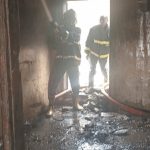
- According to him, more than 30 people have been confirmed dead
- Witnesses said the attack happened around 4:00 p.m. at the peak of market activity
- the Nigerian Air Force had not released any formal statement regarding the incident
At least 30 people are feared dead after a military airstrike hit a weekly market in Jilli village, a community situated along the boundary between Borno and Yobe states, on Saturday evening.
Eko Hot Blog reports that the strike reportedly occurred at the busy Jilli Market, located between Gubio and Geidam, causing chaos among traders and residents as explosions disrupted normal trading activities.
EDITOR’S PICK
- Interior Ministry Orders Immediate Deactivation of Passports for Former Citizens
- Iran Sets Conditions as US Warns Ahead of Talks
- 7 Things People Over 50 Should Do Every Morning for Better Health
A local councillor, Lawan Zannah, confirmed the incident during a phone interview on Sunday, stating that initial reports indicate it was an airstrike.

According to him, more than 30 people have been confirmed dead, while over 20 others sustained injuries and were taken to hospital for treatment.
Witnesses said the attack happened around 4:00 p.m. at the peak of market activity, with multiple fighter jets allegedly involved. One eyewitness claimed to have counted as many as 56 bodies, adding that recovery efforts were still ongoing.
Sources suggested that the operation may have been targeting suspected Boko Haram militants believed to be in the area. However, the strike reportedly hit the crowded marketplace instead.
The weekly market typically attracts traders from nearby communities such as Gubio, Chiweram, Benisheikh, Gurokayeya, and Geidam.
The Special Adviser on Security to the Yobe State Governor, retired Brigadier General Abdulsalam Dahiru, also confirmed the incident but clarified that Jilli village is officially within Gubio Local Government Area of Borno State.
As of the time of filing this report, the Nigerian Air Force had not released any formal statement regarding the incident.
FURTHER READING