- Tinubu Meets Service Chiefs Over Security Crisis, Borno Airstrike Fallout
- Review Strategy as Insecurity Deepens
- Although details of the meeting were not made public, it signals a growing urgency within the administration to reassess strategies
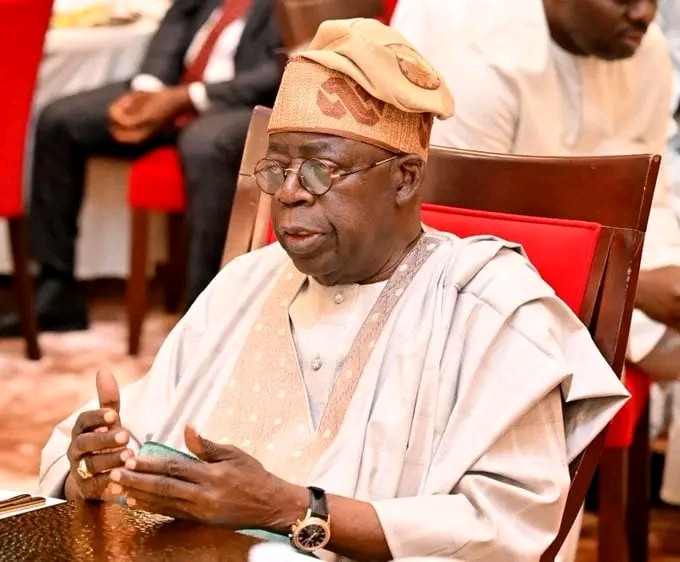
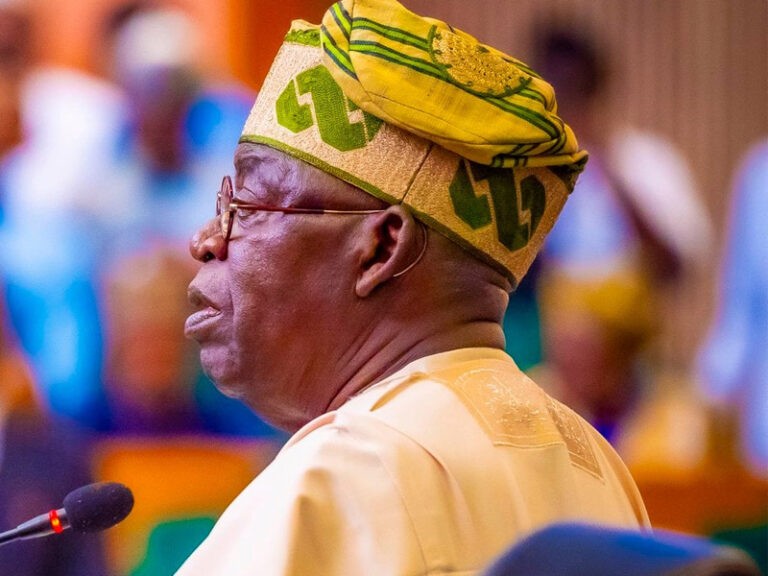
President Bola Ahmed Tinubu on Monday held an emergency security meeting with top military commanders and intelligence chiefs at the State House in Abuja, as concerns grow over the country’s worsening security situation.
Eko Hot Blog reports that the closed-door meeting brought together key figures in Nigeria’s security architecture, including the Chief of Defence Staff, service chiefs, heads of intelligence agencies, and the National Security Adviser, Nuhu Ribadu.
EDITOR’S PICK
- Viral Video Sparks Action as Lagos Rescues Neglected Child
- Big Head, Bigger Pressure: Inside Amupitan’s INEC Assignment
- NIMR Crisis: FG Tenure Policy Behind Directors’ Exit, Ongoing Strike
The meeting comes at a tense moment, following a recent travel advisory by the United States Department of State, which warned of a “deteriorating security situation” in Nigeria and placed several states under its highest risk category. While the Federal Government dismissed the advisory as routine, it has added to public anxiety.
Another major issue on the table is the controversy surrounding a recent Nigerian Air Force airstrike in Borno State.
The operation, reportedly targeting insurgents around the Jilli axis, has sparked concern after local sources claimed that over 100 civilians may have been affected. Authorities, however, insist the strike was aimed at terrorist locations and have not confirmed civilian casualties.
Government officials have defended the operation, stating that the area had been used by insurgent groups as a logistics hub, making it a legitimate target.
The situation reflects the complex security challenges facing Nigeria from insurgency in the North-East to banditry and kidnappings in other regions putting increasing pressure on the country’s security system.
Although details of the meeting were not made public, it signals a growing urgency within the administration to reassess strategies, improve coordination among agencies, and respond to rising concerns both locally and internationally.
At this stage, the government faces the difficult task of intensifying its fight against armed groups while also ensuring that military operations remain precise, accountable, and maintain public trust.