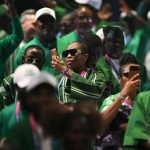
- Pope Leo XIV is set to make a high-stakes entry into Bamenda, Cameroon, this Thursday, marking the first time a Pontiff has visited the heart of the nation’s deadly Anglophone separatist crisis.
- The visit comes on the heels of twin suicide attacks in Algeria, forcing Cameroonian authorities to deploy massive military and police patrols to secure the “Ambazonia” republic claimed by English-speaking rebels.
- With over 6,000 dead and 330,000 displaced, local victims and church leaders are looking to the American Pontiff to broker a ceasefire and end the decade-long cycle of kidnappings and state violence.
The city of Bamenda, the epicenter of Cameroon’s protracted civil war, is under a blanket of heavy security as it prepares to welcome Pope Leo XIV for a landmark peace mission.
Eko Hot Blog reports that the visit, which begins on Thursday, is being hailed as a “last hope” for a region that has been torn apart by conflict between the French-speaking central government and English-speaking separatist fighters who claim the independent Republic of Ambazonia.
EDITOR’S PICKS
- JAMB Delists 23 CBT Centres, Warns 89 After Mock UTME Review
- NASA Astronauts Return to Earth After First Human Trip to the Moon in 50 Years
- INEC Shifts Nationwide Voter Revalidation Until After 2027 General Election
For the residents of Bamenda, the stakes couldn’t be higher. The conflict, which erupted in 2016 following government crackdowns on teachers and lawyers, has evolved into a brutal war of attrition.
Civilians have consistently been the target of both separatist “taxes” and military raids.
“As the Pope puts his feet on the soil of Bamenda, the killing and kidnapping should stop,” said Giovanni Mbuna, a local church worker who was previously abducted and tortured by rebels.
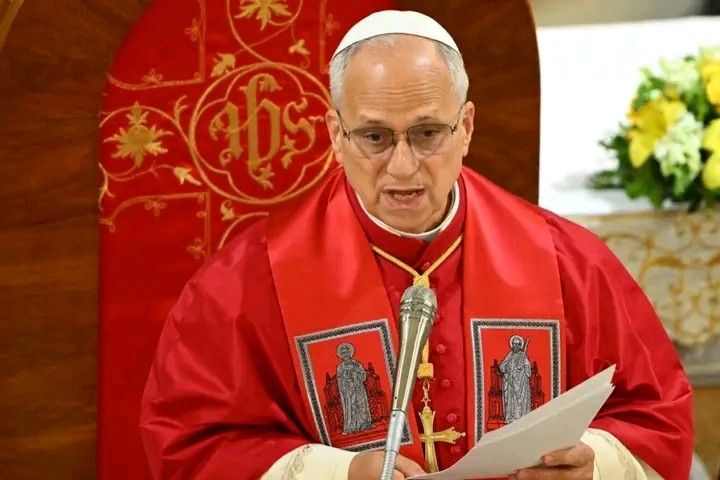
The Pontiff’s arrival in Cameroon follows a volatile start to his African tour in Algeria, where he faced security threats following suicide bombings in Blida.
Despite these dangers, Pope Leo has maintained a defiant stance, recently declaring he has “no fear” and will continue to speak out against war and human rights abuses.
In Bamenda, he is expected to meet with victims of the violence, including clergy members who have been kidnapped in recent months.
Archbishop Samuel Kleda, a close ally of the Pope, noted that for the first time in nearly a decade, both the separatists and the government of veteran President Paul Biya appear to be “speaking the same language” in their mutual welcome of the Holy Father.
Beyond the spiritual appeal for peace, the Pope faces the daunting task of addressing the “root causes” of the crisis.
Legal advocates for the Anglophone population argue that until issues of marginalization, decolonization, and identity are addressed, the fighting will continue.
As Leo XIV prepares to engage with President Biya in Yaoundé, diplomatic sources suggest the Pope may offer a specific roadmap for relaunching stalled negotiations.
For the 100,000 refugees currently taking shelter in neighboring Nigeria and the thousands internally displaced, the hope is that this papal visit will provide more than just symbolic comfort, but a concrete path toward a permanent ceasefire.