
- Europe is experiencing a severe heatwave with storms in some areas
- France recorded about 1,000 excess heat-related deaths
- The heat has disrupted transport, power, and health systems
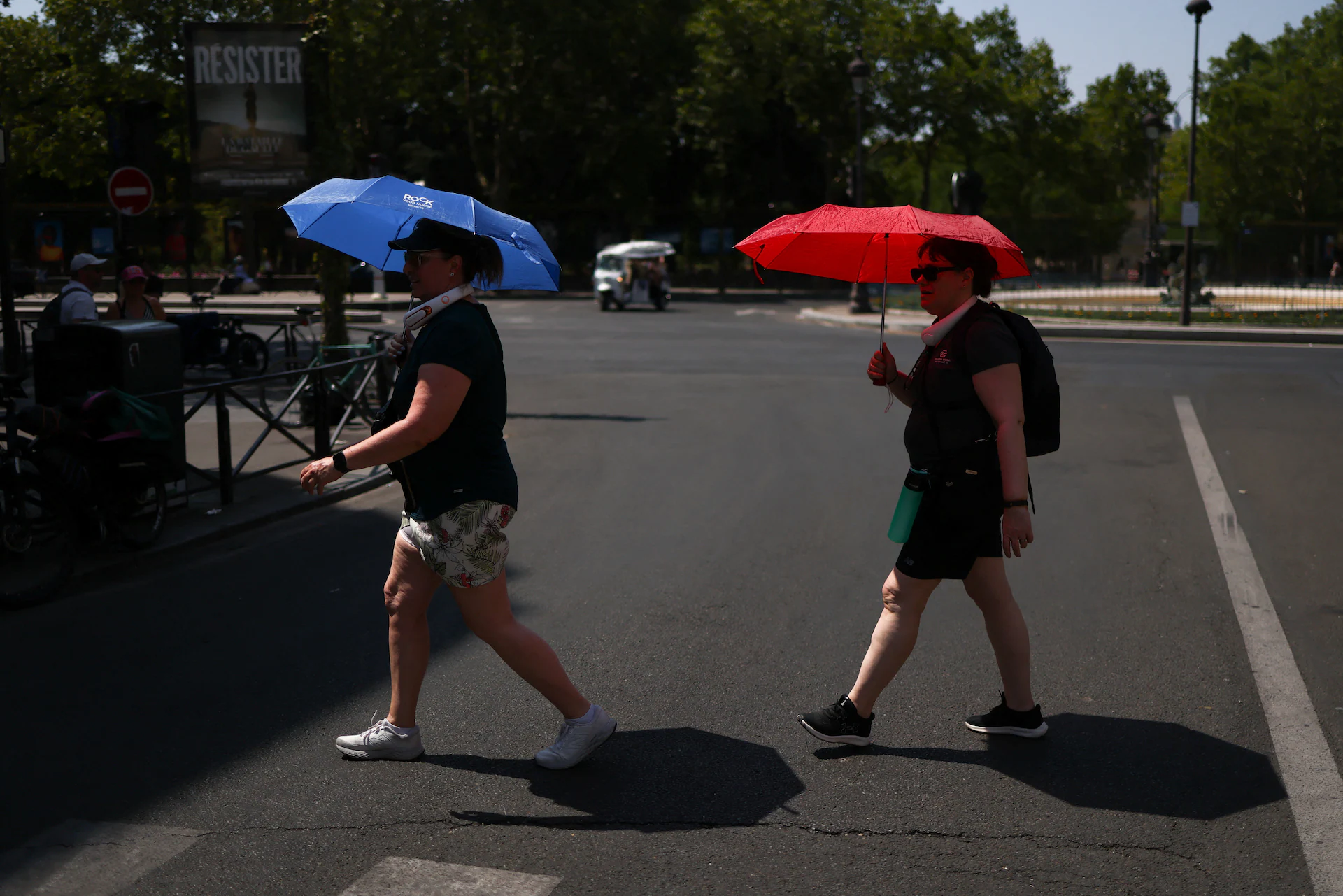
Europe is facing an intense and prolonged heatwave, with temperatures reaching about 40°C (104°F) in several regions as storms disrupt other parts of the continent.
Eko Hot Blog gathered that the extreme weather has triggered widespread impacts on public health, infrastructure, transport systems, and energy supply across multiple countries.
EDITOR’S PICK
- UN Mobilizes Humanitarian Aid For Venezuela Following Twin Earthquakes
- Dollar To Naira Exchange Rate Today, June 26, 2026
- Concerns As Repentant Boko Haram Members Allegedly Join Army Recruitment
In France, public health authorities reported around 1,000 excess deaths during the heatwave, most of them among elderly people. Officials warned that the figure could rise further as more data is collected from hospitals, care homes, and private residences.
The country’s weather agency said the worst of the heat has eased in most areas, although some regions remain under heat alerts.

Scientists say the heatwave, which began around June 20, is among the most severe ever recorded in Europe. It has disrupted daily life, strained electricity grids, damaged infrastructure, and placed hospitals under heavy pressure. They also noted that such extreme heat events are becoming more frequent and intense due to climate change.
World Health Organization Director-General Tedros Adhanom Ghebreyesus said about 150 million people are currently exposed to extreme heat conditions, with hundreds of deaths already recorded. He also warned that modern societies remain poorly prepared for such temperatures, despite repeated climate warnings.
Researchers further stated that the severity of the current heatwave would have been almost impossible without human-induced climate change. They added that the extremely high night-time temperatures experienced this week are now far more likely than they were two decades ago.

Transport and infrastructure systems have also been heavily affected.
In Germany, train services on key routes in North Rhine-Westphalia were reduced, while tram operations in Leipzig were suspended due to the extreme heat. Many residents reportedly stayed indoors during the day to avoid exposure.
In France, storms accompanying the heatwave caused additional disruption, leading to power outages affecting tens of thousands of households across northern and central regions. Energy provider Enedis reported widespread outages as crews worked to restore electricity.
Elsewhere, Hungary reduced output at its Paks nuclear power plant as rising temperatures in the Danube River reduced its cooling capacity. In Italy, low water levels in the Po River allowed seawater to push inland, threatening agriculture and fragile ecosystems in the delta region.
The heatwave has also led to safety incidents, including drownings as people attempted to cool off in rivers and lakes. Emergency teams in Italy are also searching for a missing man who disappeared while swimming near Rome.
Although conditions are beginning to improve in parts of Western Europe, meteorologists say the heatwave is shifting eastward toward Central Europe and the Balkans, where further disruptions and storms are expected in the coming days. Health officials have warned that the effects of the extreme heat may continue for up to 10 days even after temperatures begin to drop.
FURTHER READING