- The Chairman of the Independent National Electoral Commission (INEC), Prof. Joash Amupitan (SAN), will deliver the keynote address at a major policy dialogue focused on Nigeria’s electoral system.
- Organised by Law Corridor, the event aims to bring together political leaders, civil society organisations, and international observers to address challenges ahead of the 2027 general elections.
- Policy brief and reform recommendations generated from the dialogue will be submitted to relevant government agencies to help guarantee the integrity of future polls.
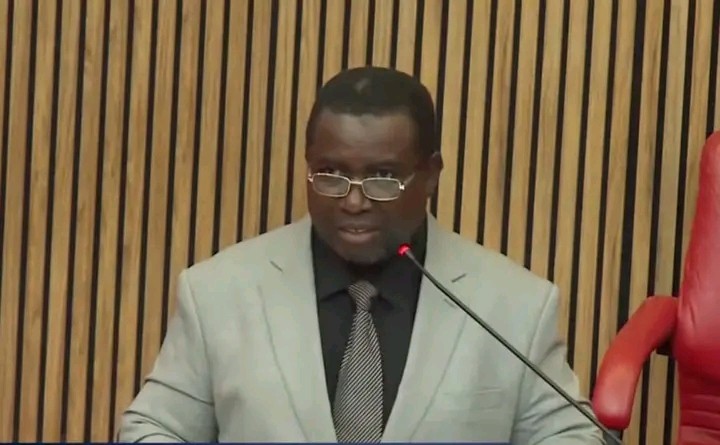
The Chairman of the Independent National Electoral Commission (INEC), Prof. Joash Amupitan (SAN), is set to lead discussions at an upcoming stakeholders’ policy dialogue.
Eko Hot Blog reports that the event, scheduled for April 29, 2026, at the Abuja Continental Hotel, is being organised by the Abuja-based law firm, Law Corridor.
EDITOR’S PICKS
- JAMB Delists 23 CBT Centres, Warns 89 After Mock UTME Review
- NASA Astronauts Return to Earth After First Human Trip to the Moon in 50 Years
- INEC Shifts Nationwide Voter Revalidation Until After 2027 General Election
The dialogue comes at a crucial time as the nation begins to look toward the 2027 general elections.
Organisers have indicated that the session will serve as a platform for public and private sector leaders to deliberate on the legal and administrative hurdles currently facing the Nigerian electoral process.
Joining Prof. Amupitan is an array of notable legal and media experts, including Muyiwa Atoyebi (SAN), Seun Okinbaloye, Ahmed Raji (SAN), and Bukola Idowu.
These stakeholders are expected to chart a course for necessary reforms that will strengthen the public’s trust in the ballot.
Henry Kelechukwu Eni-Otu, Managing Partner of Law Corridor, emphasized the importance of the timing.
“This year’s Policy Dialogue is so critical considering its proximity to the 2027 general elections,” he stated. “We believe the engagements will chart a way forward to further guarantee the integrity of the electoral process.”
The dialogue is not intended to be a mere talk shop. Organisers have pledged to release a formal policy brief following the event.
This document will outline a clear roadmap for reform and will be submitted to the appropriate government ministries and agencies for consideration.
By fostering direct conversation between the electoral umpire and civil society, the event seeks to mitigate the “hidden costs” and logistical failures often associated with large-scale elections in Nigeria.