- Despite reopening the Strait of Hormuz following a ceasefire in Lebanon, Tehran has warned the waterway will not stay open if the U.S. continues to blockade Iranian ports.
- While President Donald Trump claims a broader peace deal is “very close,” Iran has flatly denied his assertions regarding the handover of its enriched uranium stockpile.
- The strategic waterway remains a global trade artery for 20% of the world’s crude oil; news of the potential re-closure threatened to stall Friday’s market rally.
The brief period of global market optimism following the reopening of the Strait of Hormuz was met with a harsh reality check on Saturday.
Eko Hot Blog reports that Tehran issued a stern warning that it would shut the strategic choke point once more if the United States does not end its naval blockade of Iranian ports.
EDITOR’S PICKS
- JAMB Delists 23 CBT Centres, Warns 89 After Mock UTME Review
- NASA Astronauts Return to Earth After First Human Trip to the Moon in 50 Years
- INEC Shifts Nationwide Voter Revalidation Until After 2027 General Election
The threat comes just hours after the waterway was declared “open” for commercial transit as part of a 10-day ceasefire deal in Lebanon.
However, Iranian officials view the ongoing U.S. presence as a direct provocation. “With the continuation of the blockade, the Strait of Hormuz will not remain open,” parliamentary speaker Mohammad Bagher Ghalibaf stated, adding that any future passage would require explicit authorization from Iran.
From an event in Arizona, President Donald Trump struck a vastly different tone, telling reporters that a comprehensive peace deal was “very close” and “would be very good for everybody.”
Trump even suggested that Tehran had agreed to a key demand: surrendering its enriched uranium stockpile.
Iran’s foreign ministry was quick to dismiss these claims as baseless.
Spokesman Esmaeil Baqaei clarified that the stockpile is not part of the current negotiations and labeled the US naval blockade a “violation of the ceasefire” agreement struck in Islamabad last week.
The stakes remain high as the U.S. Central Command confirmed it has already directed 21 ships to turn around since the blockade began earlier this week.
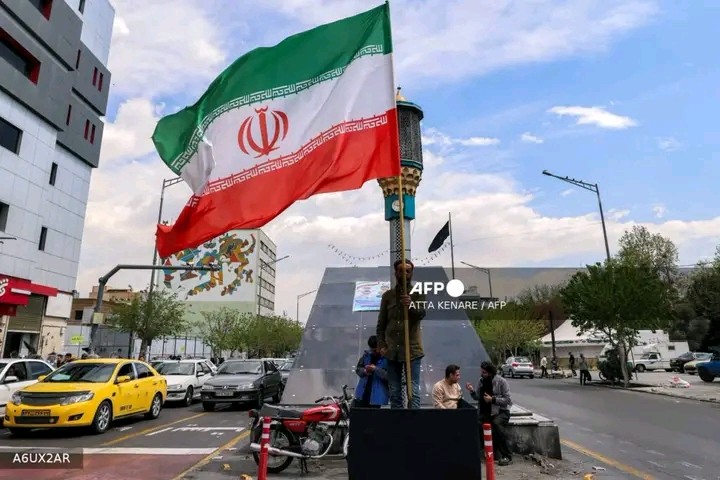
Images released by the Pentagon show American guided-missile destroyers patrolling the Arabian Sea, ready to intercept vessels originating from Iranian ports.
Despite the friction, Trump indicated he might be open to extending the current 14-day ceasefire when it expires this Wednesday, though he remained firm on maintaining the blockade until a final “transaction” is signed.
While leaders spar over maritime rights, the ceasefire in Lebanon has provided immediate relief for civilians. Displaced families in south Beirut and southern border towns have begun returning to war-ravaged homes.
However, the peace remains tenuous; Israeli Prime Minister Benjamin Netanyahu warned that the objective of “dismantling Hezbollah” is not yet finished, while Hezbollah has signaled it is ready to retaliate against any Israeli violations.