- Tensions in the Middle East, particularly around the Strait of Hormuz, have caused a major oil supply reduction of 10 million barrels per day, driving prices to their highest levels since 2022.
- Overall commodity prices are forecast to rise by 16% in 2026, leading to higher food costs, increased inflation, and a significant drop in growth for developing economies.
- Oil is projected to average $86 a barrel in 2026, up from $69 in 2025, with potential spikes as high as $115 if the conflict escalates further.
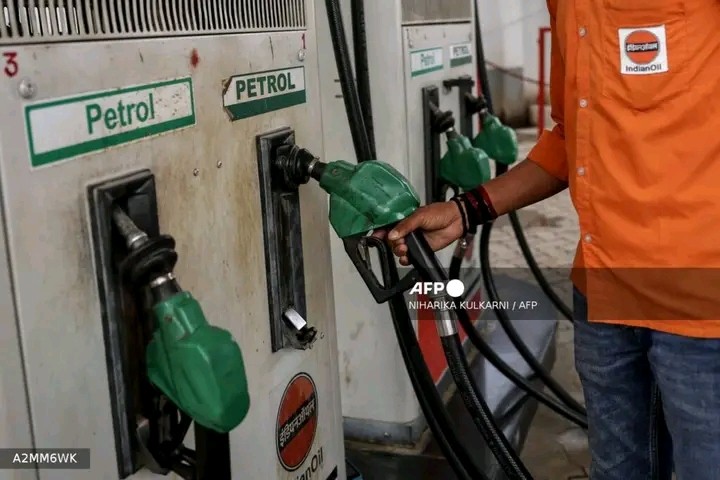
The global economy is facing a severe “commodity shock” as the ongoing war in the Middle East drives energy prices toward a projected 24% increase this year.
Eko Hot Blog reports that according to the World Bank’s latest commodity Markets Outlook, the conflict is creating cumulative waves of economic distress, beginning with fuel and quickly spreading to food and general inflation.
EDITOR’S PICKS
- JAMB Delists 23 CBT Centres, Warns 89 After Mock UTME Review
- NASA Astronauts Return to Earth After First Human Trip to the Moon in 50 Years
- INEC Shifts Nationwide Voter Revalidation Until After 2027 General Election
The report highlights that disruptions in the Strait of Hormuz, a critical artery that handles 35% of the world’s seaborne oil, are central to the crisis.
Brent crude prices were already 50% higher in mid-April than at the start of the year.
World Bank Chief Economist Indermit Gill warned that “war is development in reverse,” noting that the poorest populations will be hit hardest as they spend the largest portion of their income on basic necessities like fuel and bread.
The crisis extends far beyond the petrol pump. Fertilizer prices are expected to jump 31% in 2026, driven by a massive spike in urea costs.
This trend threatens to push an additional 45 million people into acute food insecurity as farming becomes increasingly unaffordable.
Furthermore, metals like copper and aluminum are hitting record highs due to demand from the electric vehicle and renewable energy sectors, while gold remains a volatile “safe haven” for investors.
For developing nations, the outlook is particularly grim. Growth projections for 2026 have been downgraded to 3.6%, as higher import costs and interest rates squeeze national budgets.
World Bank officials are urging governments to avoid broad, untargeted subsidies that could drain fiscal reserves, recommending instead that support be focused strictly on the most vulnerable households to weather what is described as a historic energy supply crisis.