- The House Committee on Infectious Diseases is investigating approximately $4.6bn in donor funds received by health organizations between 2021 and 2025 to ensure transparency and accountability.
- Grant recipients are now required to submit implementation plans directly to the National Assembly for approval, alongside mandatory quarterly activity reports.
- Major implementing partners under review include the Institute of Human Virology Nigeria (IHVN), Family Health International (FHI360), and Catholic Relief Services (CRS).
The House of Representatives Committee on Infectious Diseases has intensified its oversight of international health grants, specifically targeting the $4.6bn allocated to combat HIV/AIDS, Tuberculosis, and Malaria.
Eko Hot Blog reports that committee Chairman Amobi Ogah stated during a visit to key implementing organizations in Abuja that it will “no longer be business as usual,” emphasizing that all mobilised resources must be judiciously expended.
EDITOR’S PICKS
- JAMB Delists 23 CBT Centres, Warns 89 After Mock UTME Review
- NASA Astronauts Return to Earth After First Human Trip to the Moon in 50 Years
- INEC Shifts Nationwide Voter Revalidation Until After 2027 General Election
The probe aims to address concerns regarding the duplication of roles between principal and sub-recipients while ensuring value for money in Nigeria’s public health response.
During the oversight visits, several organizations disclosed their financial records to the committee.
The Institute of Human Virology Nigeria (IHVN) reported receiving $359.4m from the Global Fund between 2021 and 2026, with another $170.96m anticipated.
Family Health International (FHI360) disclosed receipts of $290.44m between 2021 and 2023, while Catholic Relief Services (CRS) confirmed receiving approximately $74.784m during the review period.
Leaders from these organizations, including IHVN CEO Patrick Dakum and CRS Country Representative Akim Kikonda, expressed their willingness to collaborate with the National Assembly to strengthen accountability.
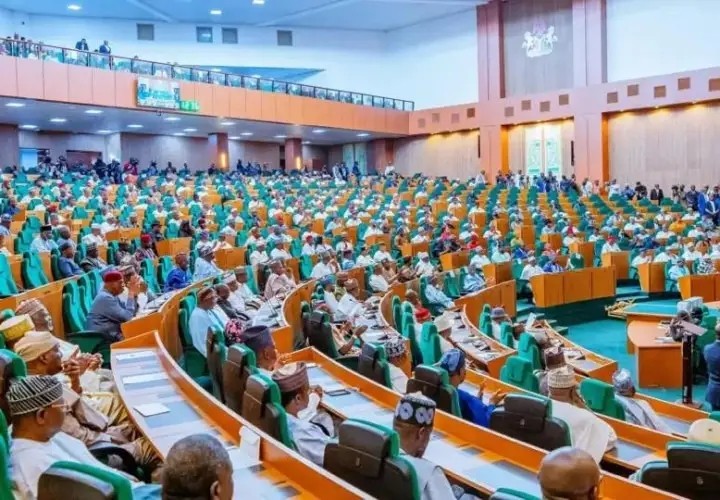
Nigeria currently holds the world’s second-largest HIV burden, and malaria remains a primary cause of death for children under five, making these donor funds critical to national health security.
To ensure effective monitoring, the committee has directed all organizations to submit comprehensive financial documents, including bank statements and procurement records.
This move signals a more assertive legislative role in managing foreign aid as Nigeria continues to rely on international support for its critical infectious disease programmes.