- Akpabio, Uzodimma, Oshiomhole Battle Over 2027 Senate Leadership
- New eligibility rules block some returning political heavyweights
- Uzodimma’s reported Senate ambition faces fresh major setback
A fresh power struggle is unfolding in the Senate following recent amendments to its standing rules, a development that may significantly influence the leadership composition of the next National Assembly ahead of the 2027 general elections.
EDITOR’S PICKS
- FA Introduces New Rules To Limit Heading In Football
- President Tinubu Has Not Endorsed Any APC Candidate for 2027 – Jandor
- Police Arrest 2 Over Trafficking of Nigerian Woman to Côte d’Ivoire
EKO HOT BLOG reports that at the centre of the political calculations are Senate President, Godswill Akpabio; Imo State Governor, Hope Uzodimma; Senator representing Imo West, Osita Izunaso; and former Edo State governor, Adams Oshiomhole.
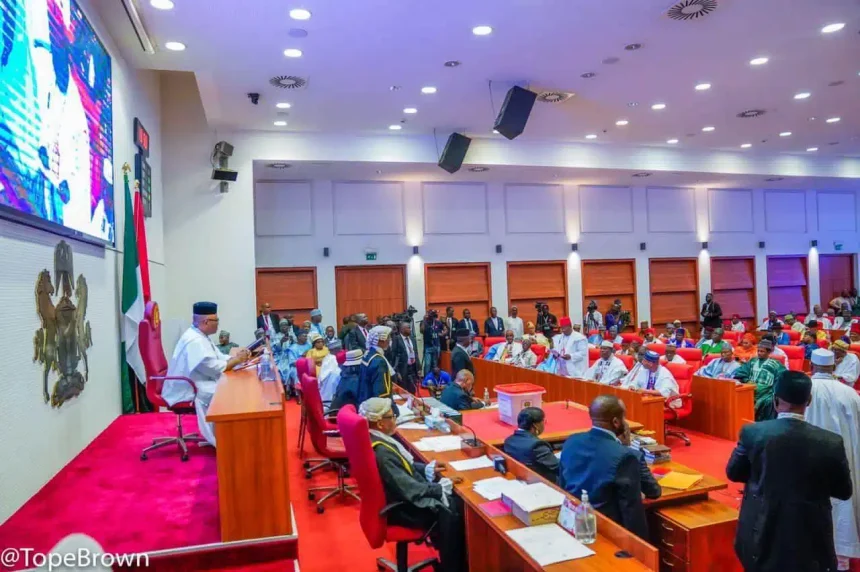
The Senate on Tuesday amended its standing rules, introducing stricter eligibility conditions for senators seeking presiding and principal offices in the red chamber.
Under the revised provisions, only senators who have served continuously in the Senate for at least eight years can contest for the offices of Senate President and Deputy Senate President.
The amendment also tightened requirements for other influential positions. Order 4 now states that nominations for presiding offices must strictly follow ranking, including former Senate Presidents, former Deputy Senate
Presidents, former principal officers, senators who have completed at least one term, former House of Representatives members, and first-time senators only when others are unavailable.
In addition, Order 5 provides that no senator can contest for any principal office unless the individual has served at least two consecutive terms immediately before nomination.
The new rules effectively shut out incoming senators in 2027 who were not members of both the 9th and 10th Senate from contesting for key leadership positions, including Senate President, Senate Leader, Chief Whip and Minority Leader.
Before the amendment, any ranking senator with at least four years in the National Assembly could contest for presiding offices, a provision that kept the door open for political heavyweights expected to return in 2027.
Among those believed to be affected are Uzodimma, former Delta State governor Ifeanyi Okowa, and former Deputy Senate President Ovie Omo-Agege.
Sources familiar with the development told TheCable that the amendment was largely driven by political strategy rather than parliamentary reforms.
One insider reportedly described the move as a “pre-emptive strike against ambitious returnees, particularly Uzodimma.”
The Imo governor is widely believed to be planning a return to the Senate in 2027. Last week, APC stakeholders in Imo West purchased and presented the party’s senatorial nomination and expression of interest forms to him, declaring him their preferred candidate.
However, Uzodimma’s current tenure as governor is expected to run until January 2028, months after the inauguration of the next National Assembly in June 2027.
Sources said one option under consideration is for the governor to install a trusted ally as a placeholder senator who could later vacate the seat after Uzodimma leaves office.
Another reported option is for Uzodimma to resign before the end of his tenure and hand over to his deputy.
The latest Senate amendment, however, appears to have weakened any potential path to the Senate presidency for the governor.
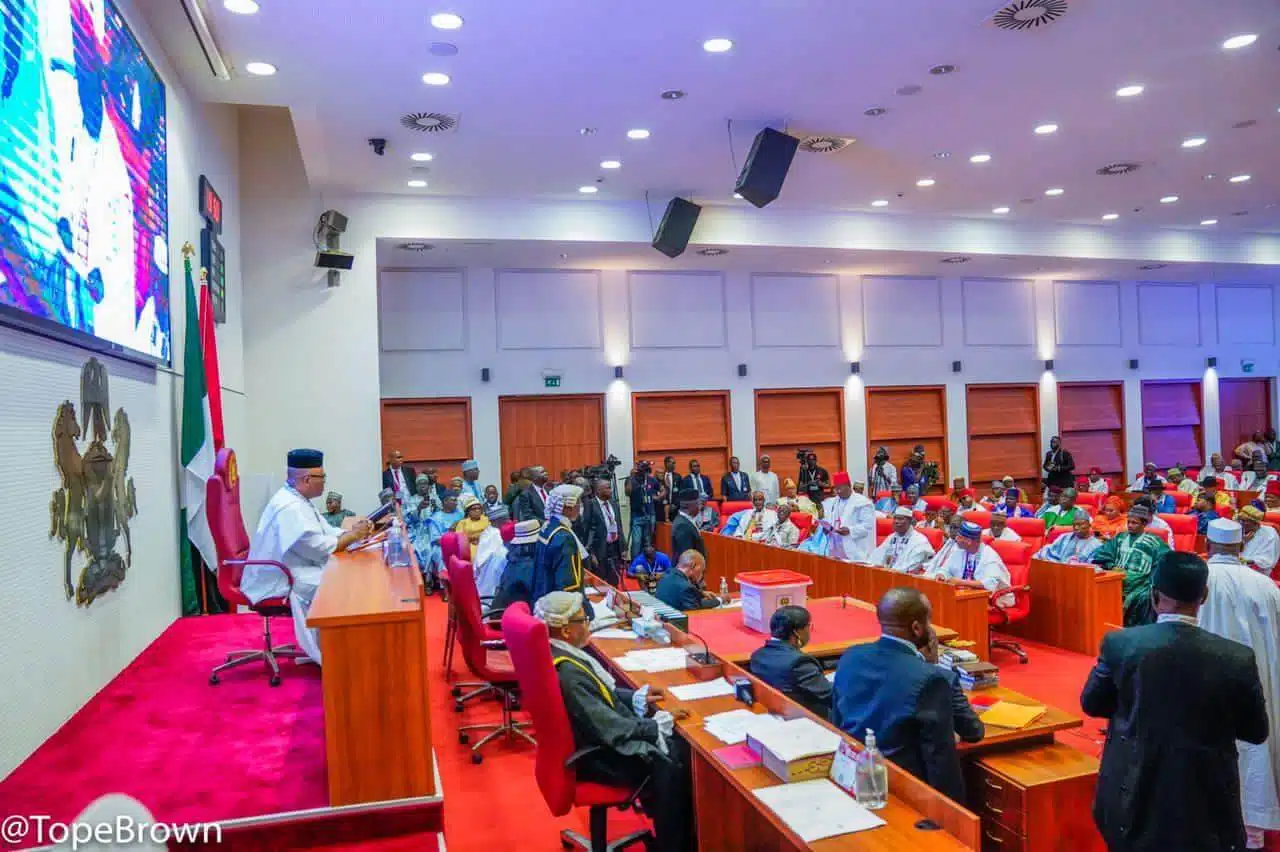
During deliberations on the amendment, Oshiomhole was reportedly the only senator who openly resisted the changes, with insiders suggesting that his own political ambitions may also have been affected.