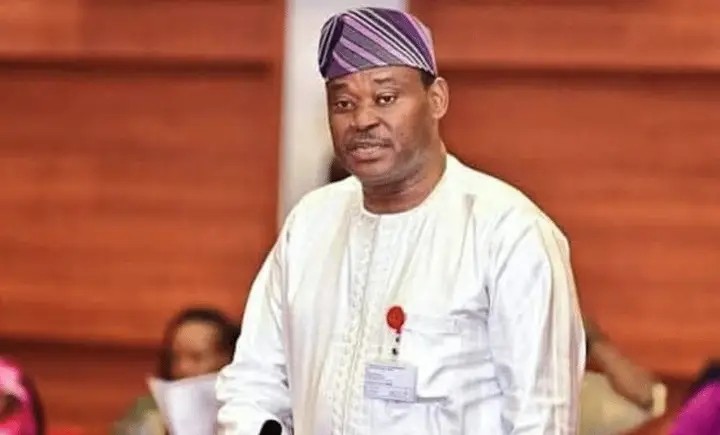
- Nigeria’s Permanent Representative to the United Nations, Ambassador Jimoh Ibrahim, has been officially elected as the Chairman of the Fifth Committee of the UN General Assembly.
- The committee holds immense administrative influence, directly steering the budgetary frameworks, structural management, and human resources allocations for the 193-member international body.
- Stepping into the role amidst mounting global financial pressures, the diplomat has pledged to implement structural reforms aimed at driving operational efficiency and reducing costs.
Nigeria’s presence within global governance has received a major boost following the election of Ambassador Jimoh Ibrahim as the Chairman of the Fifth Committee of the United Nations General Assembly.
Eko Hot Blog reports that the choice places the seasoned Nigerian diplomat at the helm of one of the UN’s most influential decision-making arms, which holds the critical mandate of analyzing, adjusting, and authorizing the administrative and operational expenditures of the global body.
EDITOR’S PICK
- Fresh Details Emerge on Death of Odomola Monarch, Oba Adebowale Adeshina
- Sanwo-Olu Applauds LASU’s Academic Excellence After JAMB Ranking
- NRC Moves 176,820 Tonnes Of Cargo Through Lagos Ports In Q1
Delivering his acceptance speech on Tuesday at the UN Headquarters in New York, Ambassador Ibrahim expressed immense gratitude to the assembly, noting that while he is deeply elated by the confidence reposed in him, he remains profoundly humbled by the immense responsibility required to manage the committee’s complex and demanding agenda.
The Fifth Committee functions as the central financial pillar of the UN, determining the exact mechanisms through which the international body secures funding and organizes its corporate architecture.
Ambassador Ibrahim’s tenure begins at a critical juncture when member states are collectively grappling with intense financial constraints, geopolitical fragmentations, economic uncertainties, and rising poverty levels worldwide.
To navigate these systemic issues, the new chairman emphasized that the committee must move past a purely transactional approach to cost management.
Instead, his priority is to cultivate strong consensus among the diverse member nations to build a sustainable, hope-driven budget designed to enhance corporate governance and faithfully serve humanity.
Leveraging his extensive background spanning business, politics, and legislative diplomacy, Ibrahim expressed absolute confidence in his ability to bridge diplomatic divides and guide the committee toward unified, consensus-based agreements.
He also took the opportunity to extend his appreciation to President Bola Ahmed Tinubu and the citizens of Nigeria for their consistent backing.
Reflecting on his alignment with the current federal administration’s economic vision, the envoy stated that he would effectively deploy the reform strategies he has gathered to reshape the fiscal policies, human resources framework, and appropriations structure at the United Nations.
This major diplomatic appointment is widely expected to give African nations a stronger, more assertive voice in shaping the future of global institutions.