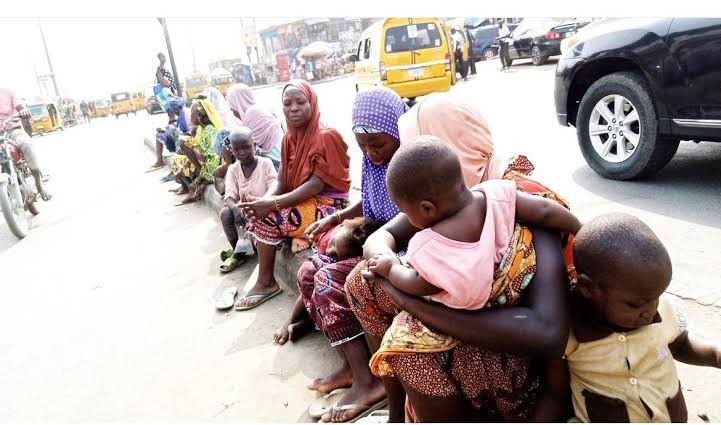
Lagos State has launched a fresh crackdown on street begging, with enforcement teams sweeping through major locations across the metropolis.
By 2:00 pm on Wednesday, a total of 144 people had been arrested, including adults and children picked up at Oshodi, Agege, and CMS. The following day, on Thursday, another 40 were apprehended on Lagos Island, Ikorodu Garage, and along the Ikeja axis.
In continuation of our statewide enforcement exercise aimed at ridding the state of beggars, miscreants, and other social nuisances, a total of 19 individuals comprising 11 adults and 8 children were apprehended at various locations on Lagos Island.
Additionally, 21 beggars were… pic.twitter.com/3bgPxlyKiQ
— Tokunbo Wahab (@tokunbo_wahab) June 4, 2026
EDITOR’S PICKS
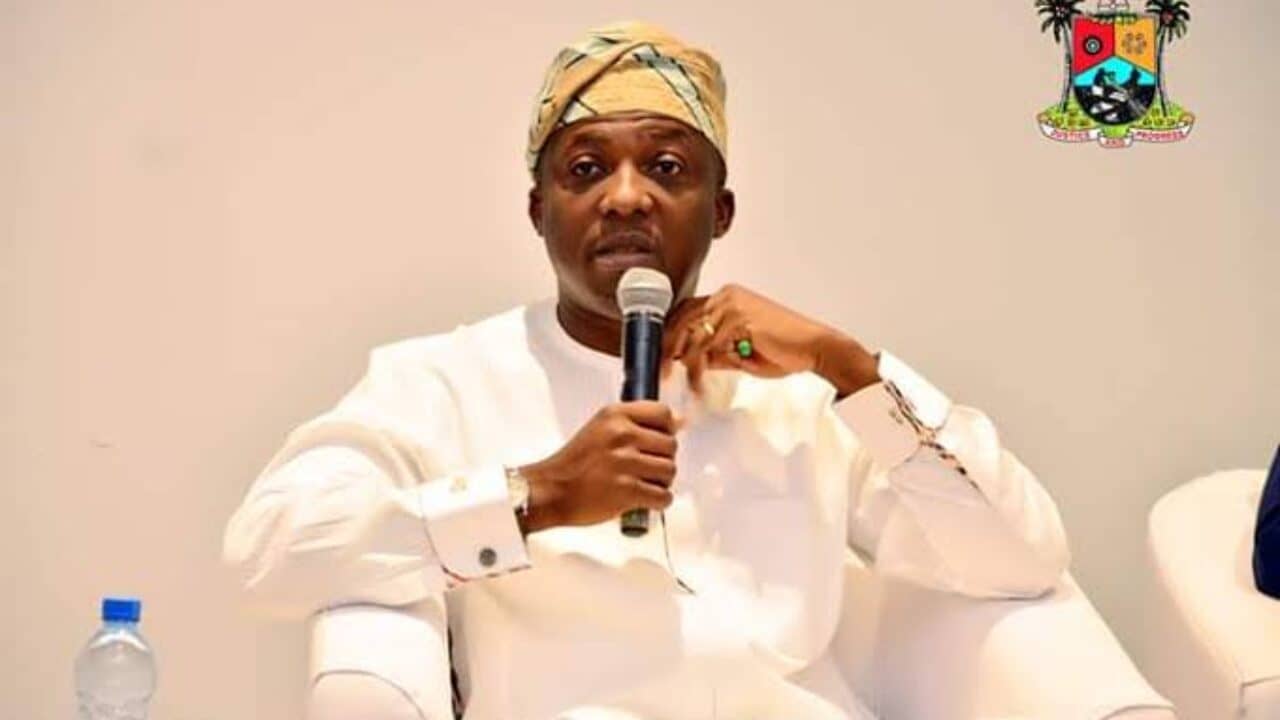
The Commissioner for Environment and Water Resources, Tokunbo Wahab, who announced the arrests, said clearance operations were also ongoing at Admiralty Way in Lekki and Addo Road in Ajah.
The state government’s message was clear: the streets of Lagos would no longer be a place for beggars, miscreants, or what it described as social nuisances. But the state government has been down this road before.
The Promise on the Table
For the children caught in these sweeps, the government has offered a commitment worth acknowledging.
Wahab confirmed that underage children arrested statewide have been profiled and handed to the Ministry of Youth and Social Development for placement in government homes and shelters, where they are to receive care, protection, and support.
FOLLOW-UP
The underage children picked up statewide for begging on our roads have been properly profiled and handed over to the Ministry of Youth and Social Development for onward placement in the homes and shelters provided by the State Government, where they will receive the… https://t.co/nMqOafCpl3
— Tokunbo Wahab (@tokunbo_wahab) June 3, 2026
This is not an empty gesture. The ministry’s Rehabilitation Department operates several facilities across Lagos, including the Rehabilitation and Training Centre in Majidun, Ikorodu; a Rehabilitation and Vocational Training Centre in Isheri; and the Tajudeen Olusi Rehabilitation and Vocational Training Centre in Ajah.
According to the ministry’s Commissioner, Mobolaji Ogunlende, rescued persons transferred to these government facilities receive medical attention, psychosocial support, counselling, and vocational training.
As recently as May 2026, the state said it had rescued 1,315 vulnerable persons and prosecuted 459 beggars through its Mobile Court. On paper, the system exists and is active.
Where the Questions Begin
The infrastructure is there. What is less clear is whether it can absorb the pace of these sweeps. The Majidun centre, for instance, held a population of 1,170 rehabilitees undergoing therapy is May 2024 — a number that suggests the facility is running at significant volume. The current crackdown, if sustained, will add to that pressure.
There is also the question of who these children are and where they come from. This is the more stubborn problem. Many children found begging in Lagos arrive from other states, sometimes brought by adults who profit from their presence on the streets. Profiling, as the government has promised, is a necessary first step, but without an inter-state coordination mechanism, profiling alone leaves children in limbo.
In January 2026, Remi Ladigbolu, a Lagos-based journalist, argued that Lagos risks mishandling its street children crisis by leaning too heavily on enforcement, warning that children repeatedly swept off the streets and placed in government facilities often return because the underlying causes — poverty, broken families, and weak social safety nets — remain unaddressed.
The Cycle That Keeps Turning
Attempts to solve street begging in Nigeria have historically been described as erratic. Critics have argued that punitive policies tackle the symptom without addressing the economic realities that drive people to beg in the first place.
Lagos has run this play before. Oshodi, CMS, and Ikorodu are not random targets — they are economic gravity points where poverty concentrates daily, and they have been swept before.
The current crackdown may restore temporary order to these corridors.
But the government’s own data tells a fuller story: in a single ministerial review period, Lagos rescued over 1,300 vulnerable persons and the streets filled again.
FURTHER READING
Until the pipeline is addressed through genuine inter-state welfare coordination and economic alternatives for the most vulnerable, enforcement will remain a recurring headline rather than a lasting solution.
Philip Ibitoye is a Special Correspondent with EKO HOT BLOG. Click here to find daily analysis and critical insight on trending issues in Lagos and other parts of Nigeria.
Click to watch the video of the week below: