- Nakamitsu explained that some of the recovered weapons were traced to extremist organisations
- She stressed that the end of a war does not automatically remove weapons from circulation
- She pointed to the growing use of ghost guns, 3D-printed firearms, and sophisticated smuggling operations
The United Nations has raised concerns over the long-term consequences of arms proliferation, revealing that weapons looted during Libya’s 2011 uprising later surfaced in Nigeria and several Sahel countries, where they were used by extremist groups and criminal networks.
Speaking at a session on illicit arms trafficking and global security at the UN headquarters in New York, Eko Hot Blog gathered that UN Under-Secretary-General and High Representative for Disarmament Affairs, Izumi Nakamitsu, said the movement of weapons from one conflict zone to another remains a major threat to international peace and stability.
EDITOR’S PICK
- APM Endorses Makinde For 2027 Presidency, Targets PDP Members In Osun
- Eredo Monarchs Suspend Ojude Oba Celebrations in Honour of Late Omola of Odomola
- “Do Not Cheat Back”—Actress Eriata Ese Warns Women Against Revenge Infidelity
According to her, arms stolen, diverted, or abandoned during armed conflicts frequently continue to fuel violence long after hostilities have ended.
She noted that weapons originating from the Libyan conflict spread across parts of the Sahel, including Nigeria, Niger, and Burkina Faso, contributing to insecurity in the region.
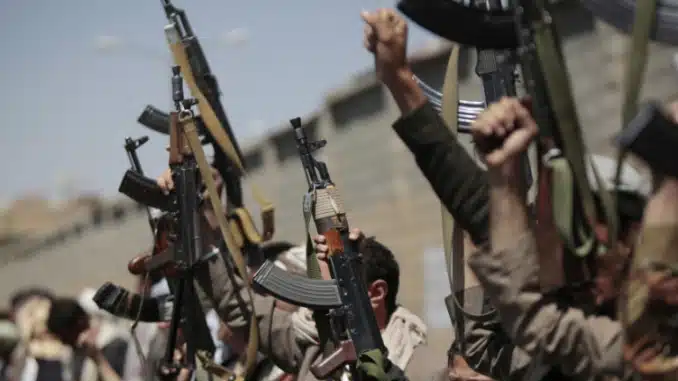
Nakamitsu explained that some of the recovered weapons were traced to extremist organisations, demonstrating how conflicts can have far-reaching consequences beyond national borders and long after the fighting has ceased.
She stressed that the end of a war does not automatically remove weapons from circulation, warning that firearms often remain in the hands of armed groups, criminal networks, and other non-state actors.
The UN official described the unchecked flow of small arms and light weapons as a significant obstacle to peacebuilding efforts, particularly in fragile states recovering from conflict. She said communities and militias that retain weapons for protection often become part of renewed cycles of violence.
Beyond security concerns, Nakamitsu argued that the proliferation of illicit arms also affects development, governance, and human rights. She linked the widespread availability of illegal firearms to terrorism, organised crime, human rights violations, and gender-based violence.
She further noted that weapons frequently continue to move across borders after conflicts end, finding their way into underground markets and extremist networks.
Many are concealed, smuggled, or transferred through informal channels, making detection and recovery increasingly difficult.
Nakamitsu also highlighted emerging challenges posed by advances in technology, warning that new methods of producing and trafficking weapons are complicating global efforts to curb the illegal arms trade.
She pointed to the growing use of ghost guns, 3D-printed firearms, and sophisticated smuggling operations, saying such developments make it harder for authorities to identify, trace, and intercept illicit weapons before they reach criminal or terrorist groups.
Her remarks come amid ongoing concerns over the proliferation of small arms across the Sahel, where insurgent groups, bandits, and other armed actors continue to exploit porous borders and weak security structures to sustain their operations.
FURTHER READING