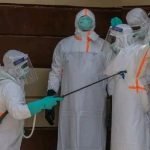
- The World Health Organisation (WHO) has declared a global health emergency following a deadly Ebola outbreak originating in the Democratic Republic of Congo (DRC).
- WHO Director-General Tedros Adhanom Ghebreyesus traveled to Uganda to inspect containment infrastructure after the virus crossed the border.
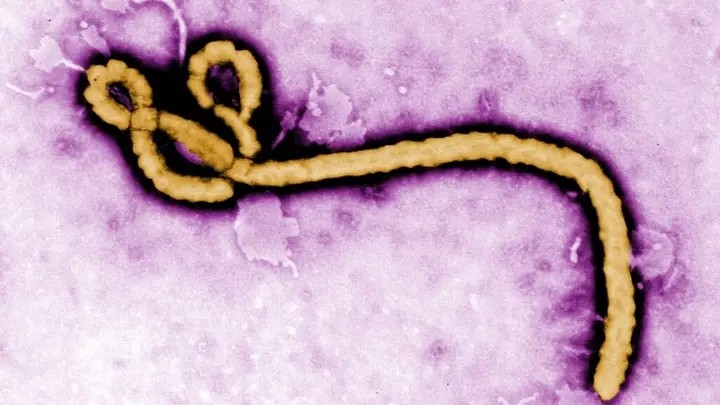
- The unfolding crisis is driven by the specific Bundibugyo Ebola strain, which currently lacks any specific vaccine or medical treatment.
The Director-General of the World Health Organisation (WHO), Tedros Adhanom Ghebreyesus, arrived in Uganda on Monday, June 8, 2026, to assess response operations following the cross-border spread of a deadly Ebola outbreak from the neighboring Democratic Republic of Congo (DRC).
Eko Hot Blog reports that the international health body had previously declared a global health emergency concerning the active outbreak, which was officially announced on May 15, 2026, in the northeastern region of the DRC.
EDITOR’S PICK
- Fresh Details Emerge on Death of Odomola Monarch, Oba Adebowale Adeshina
- Sanwo-Olu Applauds LASU’s Academic Excellence After JAMB Ranking
- NRC Moves 176,820 Tonnes Of Cargo Through Lagos Ports In Q1
Prior to his arrival in Uganda, Tedros visited the DRC, where the United Nations health agency has documented 515 confirmed Ebola infections and 91 deaths.
In a public update shared via his official social media channel, the WHO chief lauded the Ugandan government for deploying a prompt, capable, and highly structured containment response.
He noted that rigorous medical screening at official border control posts proved instrumental in detecting infected individuals arriving from the DRC before they could cause wider community transmission.
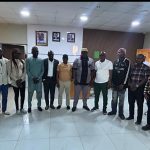
During his high-profile visit, the WHO chief held strategic consultations with a senior official from the Ugandan Ministry of Health to streamline international aid and regional containment protocols.
Outlining the epidemiological data, Tedros revealed that 19 confirmed Ebola cases have been officially documented in Uganda. Of this total, 14 infections were identified among individuals who traveled across the border from the DRC, while the remaining 5 cases involve Ugandan nationals.
He expressed deep condolences to the families of two individuals from the DRC who succumbed to the hemorrhagic fever on Ugandan soil.
The ongoing situation marks the 17th documented Ebola outbreak to hit the DRC, a central African country with a population exceeding 100 million people.
Health authorities are facing severe operational constraints as there is currently no approved vaccine or specific medical treatment for the Bundibugyo Ebola strain driving this particular outbreak.
To bridge critical medical gaps, the WHO is actively delivering technical and logistical support to the Ugandan health ministry alongside the Africa Centres for Disease Control and Prevention (Africa CDC) and various regional partner organizations.
Tedros emphasized that because the Ugandan government is leading the intervention framework with such high capacity, continuous institutional collaboration will remain the key to bringing the trans-border transmission under total control.
Public health experts across East and Central Africa have urged neighboring border communities to maintain strict surveillance, adhere to sanitization guidelines, and report sudden illnesses to nearest medical facilities.
The swift mobilization of resources reflects a heightened regional determination to prevent a repeat of historical epidemics, as international partners work around the clock to isolate active cases and expedite laboratory testing across affected border zones.