- Several protesters have been arrested in the Kenyan tourist town of Nanyuki following fresh demonstrations against a US-funded Ebola quarantine facility being built to house American citizens coming from the crisis-hit Democratic Republic of Congo.
- Construction of the 50-bed isolation facility at the Laikipia Air Base is moving forward despite a temporary pause order from Kenya’s High Court and fierce resistance from local politicians.
- President William Ruto’s administration has strongly defended the project, stating that rejecting Washington’s request would look “inhuman” after decades of US health aid, further deepening domestic resentment.
Several Kenyan citizens were arrested on Tuesday, June 9, 2026, as police fired tear gas to disperse crowds protesting the construction of an Ebola quarantine center intended for United States citizens.
Eko Hot Blog reports that the specialized facility, nearing completion at the Laikipia Air Base in the resort town of Nanyuki, under Mount Kenya, is being built to isolate Americans arriving from the Democratic Republic of Congo, where a severe Ebola outbreak is currently raging.
EDITOR’S PICK
- Hamzat Appoints Obanikoro as Campaign DG Ahead of 2027 Lagos Governorship Race
- Tinubu’s State Police Plan Gains Momentum as Amendment Looms
- Residents Raise Alarm After Two Bodies Found in Lagos Waterway
Because Kenya has never recorded a single historical case of Ebola, local communities are strongly opposing the project, accusing the government of voluntarily bringing potential carriers of the highly contagious and deadly virus into the country.
Demonstrators gathered near the military base, with some donning makeshift protective gear and carrying a symbolic coffin marked “Ebola” to express their anger.
The controversy is heightening severe domestic friction between the populace and the presidency.
The facility had already triggered volatile mass demonstrations on June 1, which resulted in the deaths of two individuals under unverified circumstances.
Local politicians and rights groups in Laikipia have actively opposed the project, successfully securing a temporary halt order from Kenya’s High Court to stop construction.
Despite this legal hurdle and the growing risk of civil unrest, the government of President William Ruto has vowed to bypass local opposition and press ahead with the installation.
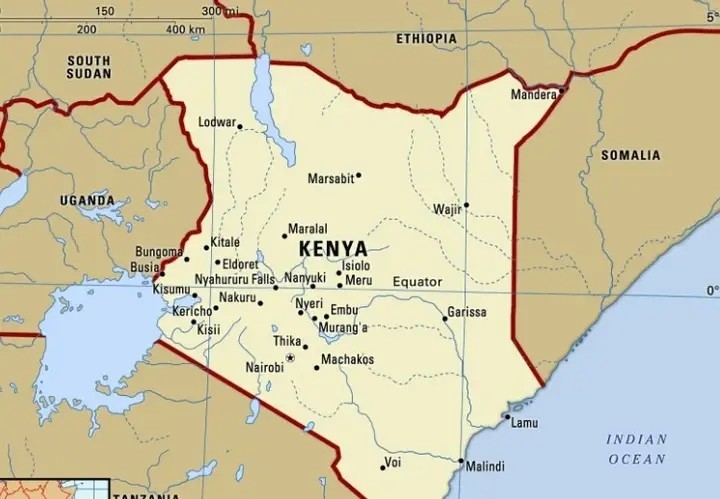
Ruto publicly defended his stance, arguing that Kenya owes Washington solidarity due to 30 years of extensive American medical and health funding, stating that refusing the US request to build the base at their own cost would make the country look inhuman.
To pacify public anxiety, Kenya’s health minister insisted that the isolation center would also serve local citizens, while Washington pledged $13.5 million to boost Kenya’s domestic Ebola preparedness infrastructure.
However, the explanation has done little to calm fears, especially following a controversial health pact last year where Kenya traded vast amounts of national health data to the US in exchange for billions of dollars in foreign aid.
The World Health Organisation has already declared the outbreak in the DRC an international health emergency, with 515 confirmed cases and 91 deaths.
While neighboring Uganda has confirmed 19 cross-border infections, Kenyans remain highly sensitive to any policy that threatens their virus-free status, turning the Nanyuki facility into an explosive symbol of foreign overreach and state betrayal.