- US President Donald Trump has positioned himself at the center of Brazil’s upcoming October presidential election, utilizing a mix of policy shifting and partisan diplomacy that has disrupted both campaigns.
- Despite claiming “excellent chemistry” with incumbent leftist President Luiz Inacio Lula da Silva, Trump recently met with and praised right-wing candidate Flavio Bolsonaro, the son of former president Jair Bolsonaro.
- Washington shook the race by designating Brazil’s two largest drug cartels as terrorist organizations, boosting Bolsonaro’s security-first campaign, while simultaneously threatening heavy tariffs on Brazilian exports, infuriating Lula’s administration.
US President Donald Trump’s unpredictable and often interventionist foreign policy has taken center stage in Brazil ahead of the country’s tightly contested presidential election scheduled for October.
Eko Hot Blog reports that political analysts note that given Trump’s established track record of backing right-leaning Latin American allies, similar waves of US political influence are actively shaping the dynamic in Brasilia.
EDITOR’S PICK
- Hamzat Appoints Obanikoro as Campaign DG Ahead of 2027 Lagos Governorship Race
- Tinubu’s State Police Plan Gains Momentum as Amendment Looms
- Residents Raise Alarm After Two Bodies Found in Lagos Waterway
However, the American leader’s ultimate impact remains highly volatile.
While Trump recently celebrated solid diplomatic rapport during a May meeting with leftist President Luiz Inacio Lula da Silva, who is actively seeking reelection, he simultaneously hosted right-wing candidate Flavio Bolsonaro at the White House, publicly praising the son of the former far-right president as a smart young man who deeply loves his country.
The right-wing camp has aggressively capitalized on Washington’s shifting positions to corner the Lula administration on domestic security.
Within days of Flavio Bolsonaro’s high-profile visit to the US capital, Trump officially designated Brazil’s two most powerful criminal syndicates, the Red Command (CV) and the First Capital Command (PCC), as foreign terrorist organizations.
Bolsonaro immediately took to social media to celebrate the move, boasting that his pre-campaign efforts achieved more for the safety of working-class Brazilians than the Workers’ Party accomplished in nearly two decades.
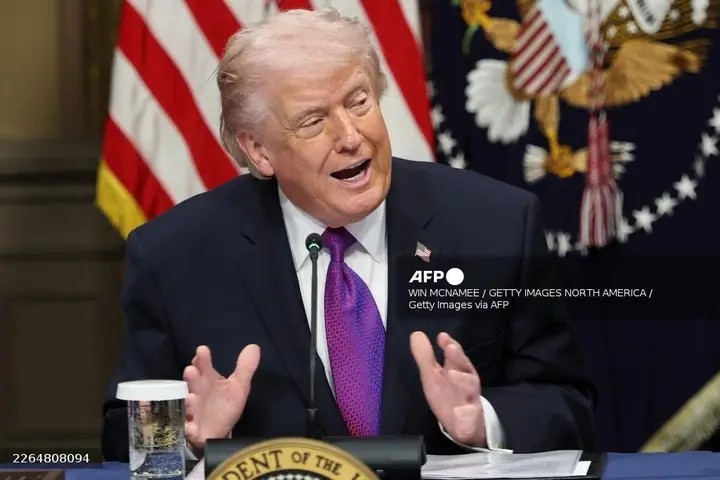
Pro-Bolsonaro lawmakers have labeled Trump a decisive factor in the tight race, arguing that the terrorism designation highlights Lula’s perceived weakness on organized crime, though they admit they must tread carefully due to Trump’s polarized approval ratings among the broader Brazilian electorate.
Conversely, the ongoing trade friction between Washington and Brasilia has added a layer of economic controversy to the political campaigns.
The Lula administration is currently pushing back against a US proposal to slap a 25 percent tariff on certain Brazilian goods over alleged unfair trade practices, a move that follows a rocky patch in 2025 when Washington imposed sweeping retaliatory tariffs after Jair Bolsonaro was convicted of plotting a coup.
Lula has openly blamed the potential new tariffs on the younger Bolsonaro’s behind-the-scenes lobbying in Washington, publicly calling his opponent a traitor to Brazil’s export-reliant economy.
While Lula is attempting to bypass US Secretary of State Marco Rubio to negotiate directly with Trump, international policy experts state that the upcoming G7 summit in France from June 15 to 17 will serve as a critical indicator of which way Washington intends to lean.