- Tinubu urged Africa to process its mineral resources locally
- He called for stronger regional cooperation and industrial growth
- The appeal came at a natural resources summit in Abuja
President Bola Tinubu has called on African countries to stop exporting raw minerals without processing them, warning that the continent will continue to struggle economically unless it adds value to its natural resources through industrialisation and stronger regional cooperation.
The President, represented by the Minister of Solid Minerals Development, Dele Alake, made the call on Wednesday while declaring open the fifth African Natural Resources and Energy Investment Summit in Abuja, Eko Hot Blog gathered.
EDITOR’S PICK
- Federal Lawmaker Yaya Tongo Dies In Abuja Hospital
- Rep. Wale Raji Celebrates Alhaja Aduke Salimot Seriki on Birthday
- Nancy Isime Recalls Alex Ekubo’s Fearless Humor, Generosity at Late Actor’s Tribute
The summit, themed “One Africa, One Resource Vision,” brought together government officials, investors, policymakers, mining executives and development partners from more than 15 African countries to discuss strategies for unlocking the continent’s vast mineral and energy potential.
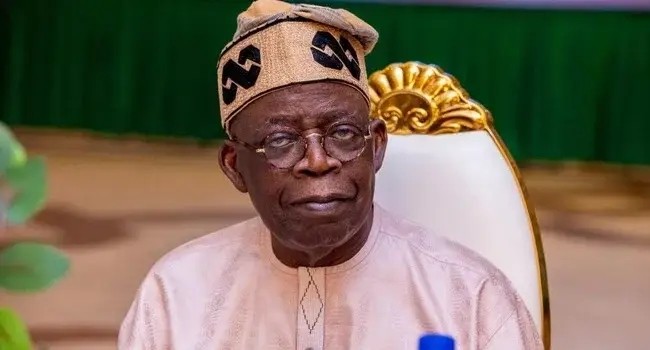
Addressing participants, Tinubu said Africa possesses enormous reserves of critical minerals needed for the global energy transition but has yet to fully benefit from them because many countries continue to export raw materials while importing finished products.
He stressed that the continent must begin refining, processing and manufacturing its own resources to create jobs, strengthen industries and build sustainable economies.
According to the President, Africa should no longer approach development as separate economies competing for global attention but as a united market capable of driving industrial growth across the continent.
He said the changing global demand for minerals such as lithium, cobalt, copper and rare earth elements presents a major opportunity for African countries to reposition themselves as leaders in manufacturing and value addition.
Tinubu maintained that natural resources alone cannot guarantee prosperity, noting that strong leadership, effective governance, modern infrastructure, technology and collaboration between governments and the private sector are essential for long-term development.
He also urged investors to support projects that create employment, transfer technology, strengthen local industries and protect host communities rather than focusing solely on resource extraction.
Speaking on energy development, the President said Africa’s transition to cleaner energy must be balanced with its need for economic growth and industrial expansion.
He noted that millions of Africans still lack reliable electricity, making investment in power infrastructure essential for manufacturing, healthcare, education and entrepreneurship.
Tinubu reaffirmed Nigeria’s commitment to expanding energy access, promoting responsible use of its natural gas resources, increasing renewable energy investments and creating an environment that attracts long-term investors.
He urged participants at the summit to ensure that discussions produce practical agreements capable of driving industrialisation, creating jobs and improving living standards across the continent.
Also speaking, Secretary-General of the African Minerals Strategy Group, Moses Michael Engadu, called for stronger cooperation among African nations, saying no single country possesses all the resources or capital required for industrial transformation.
He urged governments to prioritise value addition, institutional reforms and strategic partnerships that would allow Africa to play a greater role in global supply chains.
Chairman of the Senate Committee on Solid Minerals Development, Senator Ekong Sampson, and Chairman of the House Committee on Solid Minerals, Jonathan Gaza, also called for sustained reforms to attract investment, increase productivity and maximise the benefits of Africa’s mineral wealth.
The summit concluded with renewed calls for governments, investors and development partners to work together to transform Africa’s abundant natural resources into a foundation for economic growth, regional integration and shared prosperity.
FURTHER READING