- Obasanjo warned that Nigeria must not experience another civil war
- He said many issues that caused the 1967 conflict still exist today
- The former president urged Nigerians to learn from history and promote lasting peace
Former President Olusegun Obasanjo has urged Nigerians to guard against another civil war, warning that several of the conditions that led to the 1967 conflict are still evident in the country today.
Eko Hot Blog gathered that he gave the warning on Wednesday at the Olusegun Obasanjo Presidential Library in Abeokuta while receiving a collection of books, research documents, eyewitness interviews and video materials on the Asaba Massacre from the Chairman of the Asaba Memorial Trust, Chief Chuck Nduka Eze.
EDITOR’S PICK
- UN Mobilizes Humanitarian Aid For Venezuela Following Twin Earthquakes
- Dollar To Naira Exchange Rate Today, June 26, 2026
- Concerns As Repentant Boko Haram Members Allegedly Join Army Recruitment
Obasanjo said Nigeria cannot afford to relive the horrors of another internal conflict, stressing that the nation had already endured enough suffering from the civil war.
He noted that understanding the country’s history is essential to preventing similar tragedies in the future.
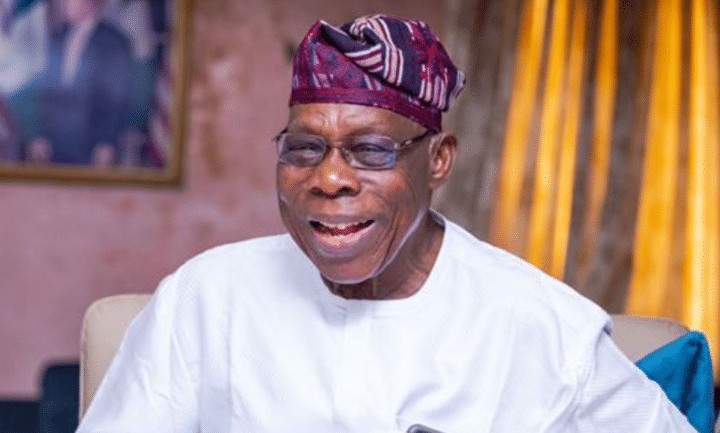
The former president recalled remarks by former Head of State, Gen. Yakubu Gowon, who had warned that Nigeria might not survive another civil war. He said such a scenario must never be allowed to happen and urged citizens to embrace peace, unity and reconciliation.
According to him, the painful experiences of the civil war should encourage Nigerians to reject violence and resolve their differences through dialogue rather than conflict.
Obasanjo commended the efforts to preserve records of the Asaba Massacre, describing historical documentation as an important tool for education, healing and national reflection.
He explained that preserving the past helps future generations understand previous mistakes and avoid repeating them.
Speaking on his role during the civil war, Obasanjo acknowledged serving as a military commander but clarified that he was not directly involved in operations linked to the Asaba incident, noting that the area was under the command of the late Gen. Murtala Mohammed.
He added that later in the war he was assigned responsibilities aimed at preventing further civilian casualties and maintaining discipline among soldiers.
He also recalled personally stopping a soldier from assaulting a civilian, saying military commanders had a responsibility to hold their troops accountable.
Obasanjo further stated that former Head of State Gen. Yakubu Gowon had publicly expressed regret over the excesses recorded during the conflict, insisting that incidents such as the Asaba Massacre were never officially sanctioned by the federal leadership.
He pledged to study the historical materials presented to him and reaffirmed his commitment to promoting peace and ensuring Nigeria never experiences another civil war.
Presenting the documents, Nduka Eze said the collection brings together eyewitness testimonies, archival records, scholarly research and audiovisual evidence on the Asaba Massacre.
He said available evidence consistently showed that many civilians were killed after federal troops entered Asaba during the civil war despite publicly declaring their loyalty to Nigeria.
He maintained that unresolved ethnic distrust, political grievances and the absence of accountability contributed to the tragedy and warned that some of those challenges remain unresolved decades later, making national unity and historical awareness more important than ever.
FURTHER READING