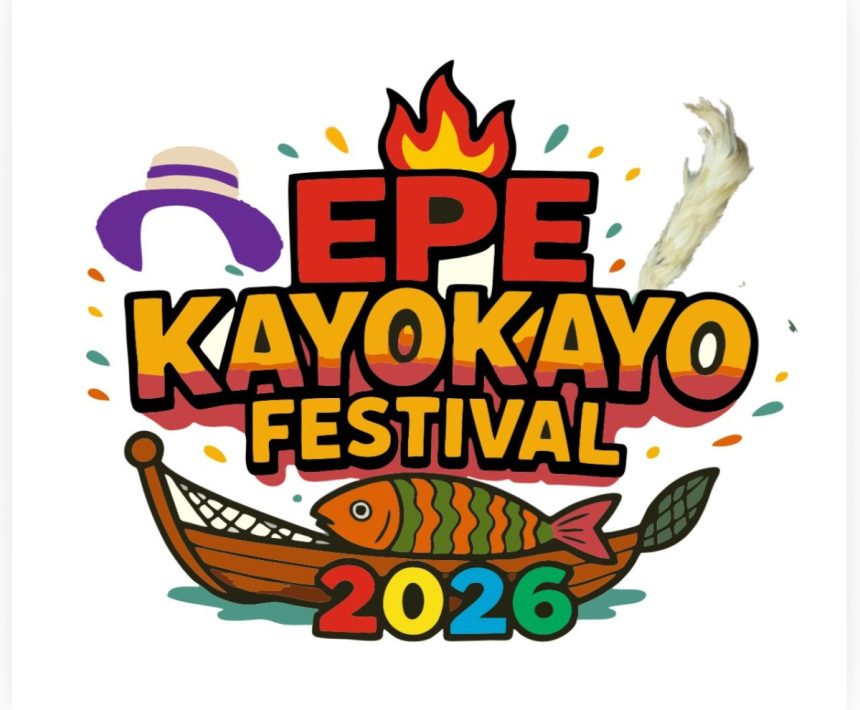
While the colourful processions, traditional attire, drumming, horse riding and communal prayers remain defining features of the celebration, the festival has gradually evolved into something far more significant than a remembrance of history.
Today, Kayokayo represents a model of how culture can become a vehicle for community development. What began as a commemoration of a historic migration has grown into an annual platform for humanitarian intervention, healthcare delivery, economic stimulation and social cohesion.
EDITOR’S PICK
- UN Mobilizes Humanitarian Aid For Venezuela Following Twin Earthquakes
- Dollar To Naira Exchange Rate Today, June 26, 2026
- Concerns As Repentant Boko Haram Members Allegedly Join Army Recruitment
The 175th edition of the festival once again demonstrated that preserving tradition and improving lives can go hand in hand. From free medical services that reached hundreds of residents to initiatives aimed at strengthening community welfare, the celebration reflected an important shift in how cultural festivals can serve society beyond entertainment.
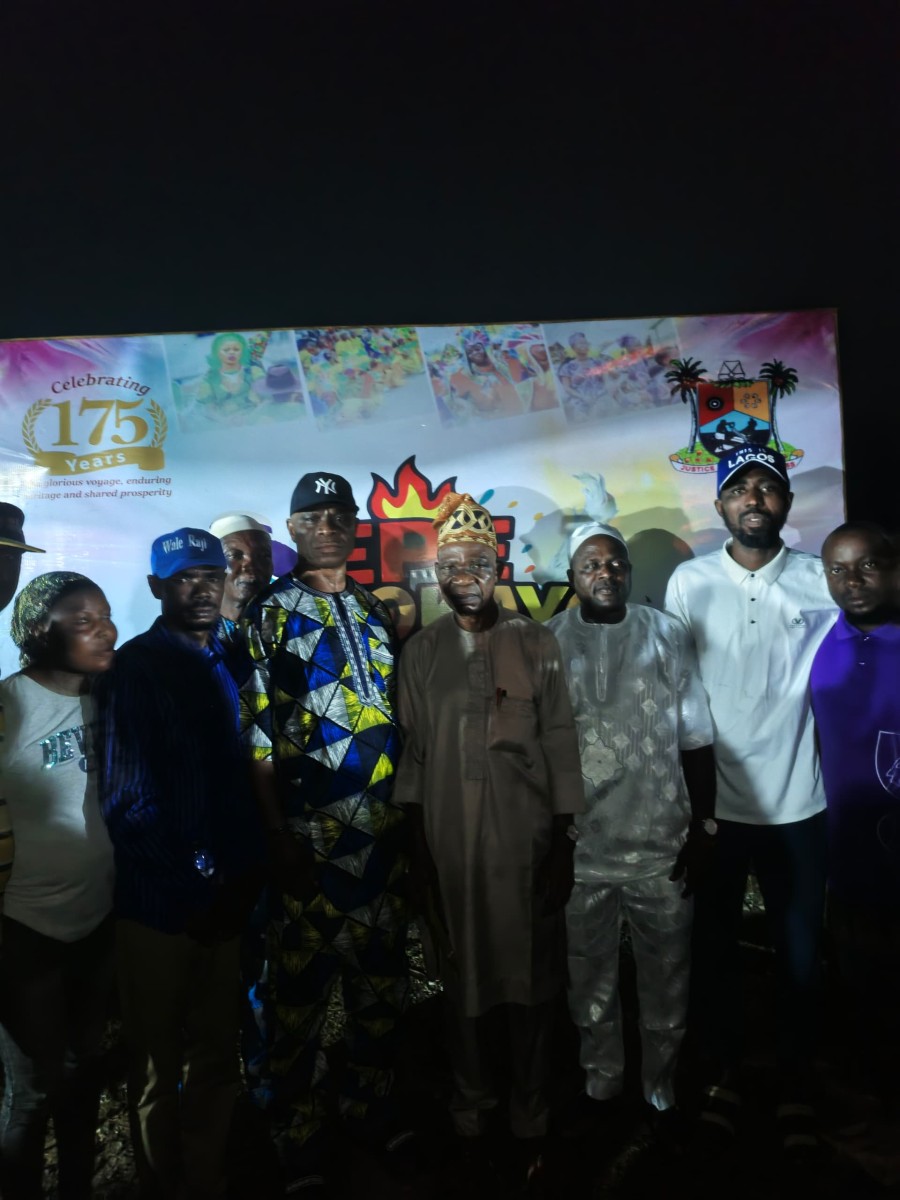
Rather than existing solely as an annual cultural event, Kayokayo has become a reminder that heritage can inspire practical solutions to contemporary challenges, especially in communities where access to quality healthcare and social support remains a concern.
From Royal Exile to a Living Heritage
The story of the Kayokayo Festival is deeply rooted in one of the most defining moments in the history of Lagos and Epe.
Its origin dates back to 1851 when King Kosoko, one of the most influential traditional rulers in the history of Lagos, was forced to leave his kingdom following political upheaval and military intervention by the British.
Kosoko had ascended the Lagos throne during a period of intense political rivalry among members of the royal family. His reign coincided with growing British interest in controlling commercial activities along the coast, particularly the campaign to suppress the transatlantic slave trade while expanding legitimate commerce.
Disagreements between Kosoko and British authorities gradually escalated into open confrontation. In December 1851, British naval forces bombarded Lagos in what later became known as the Bombardment of Lagos. The military operation forced Kosoko and many of his loyal followers to abandon the island after fierce resistance.
Seeking refuge, the monarch and his entourage travelled eastward before eventually settling in Epe, a peaceful community that welcomed them despite the uncertainties surrounding their arrival.
Historical accounts indicate that the people of Epe embraced King Kosoko and his followers, allowing them to rebuild their lives and contribute to the social and economic development of the town. Over time, Kosoko established his court in Epe and remained an influential traditional figure until his death.
The arrival of the exiled king marked the beginning of a unique relationship between the people of Lagos and Epe, creating a historical bond that continues to define the identity of the ancient town.
It was from this historic migration that the Kayokayo Festival emerged.
The name “Kayokayo” is widely associated with the joyous welcome and celebration that greeted King Kosoko and his supporters upon their arrival in Epe. What started as an expression of gratitude, unity and survival gradually transformed into an annual cultural celebration observed by successive generations.
For 175 years, the festival has served as a living archive of Epe’s history, preserving memories that might otherwise have faded with time. Through prayers, traditional ceremonies, cultural performances, royal processions and storytelling, each edition reconnects younger generations with the events that shaped the community’s identity.
Unlike many festivals whose significance has diminished over time, Kayokayo has continued to grow in relevance by adapting to changing realities without abandoning its historical essence. It remains one of the strongest examples of how cultural heritage can preserve history while strengthening communal identity in a rapidly changing society.
Beyond Culture, A Festival Changing Lives
While history remains at the heart of the Kayokayo Festival, its organisers have steadily expanded the celebration to address the everyday needs of residents.
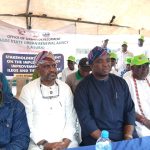
This year’s free medical outreach reflected that vision.
Held at the First Epe Central Mosque in Oke Balogun, the programme offered residents access to comprehensive healthcare services at no cost. Beneficiaries received malaria tests, blood pressure and blood sugar checks, medical consultations, eye examinations, dental care, Hepatitis B screening, health counselling and referrals where necessary.
For many residents, the intervention came at a time when rising healthcare costs have made routine medical attention increasingly difficult to afford.
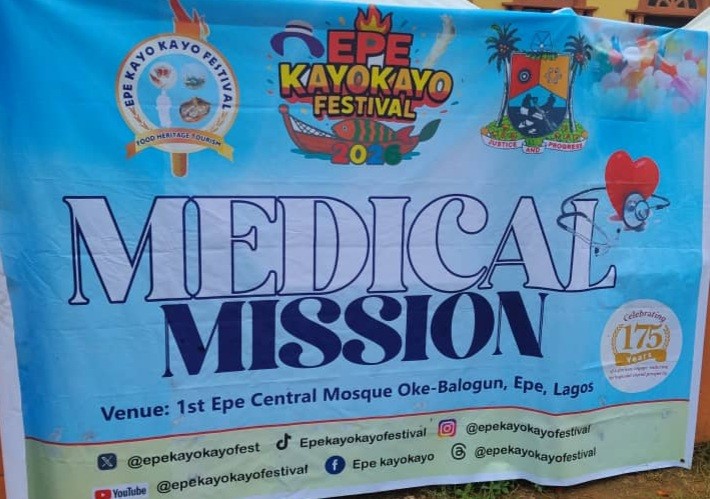
Chairman of the Medical Committee, Comrade Amuni, explained that the outreach was designed to ensure that quality healthcare reaches vulnerable members of the community who might otherwise go without treatment.
According to him, good health should never be determined by a person’s financial status, stressing that the festival provides an opportunity to give back to society through meaningful humanitarian service.
This year’s edition was also expanded beyond its traditional scope, introducing additional medical services to ensure more residents benefited from comprehensive healthcare.
The organisers described the exercise as part of the festival’s broader commitment to improving the welfare of the people while preserving Epe’s cultural heritage.
Chairman of the Publicity Committee of the Kayokayo Festival Planning Committee, Mr. Kaka Babatunde, said the festival is not solely about celebrating history but also about improving the quality of life within the community.
According to him, preserving heritage must go hand in hand with promoting the wellbeing of the people whose history is being celebrated.
That philosophy was evident throughout the outreach as volunteer medical professionals, donors, community leaders and development partners worked together to provide services that many beneficiaries described as both timely and life-changing.
Several residents expressed appreciation for the initiative, noting that the inclusion of eye care, dental treatment and Hepatitis B screening made this year’s outreach more comprehensive than previous editions. Some said they were able to discover underlying health conditions early enough for treatment, while others received professional medical advice they otherwise could not have afforded.
Beyond healthcare, the festival continues to stimulate economic activity across Epe.
Hotels experience increased patronage as visitors arrive for the celebration. Transport operators record higher passenger traffic, while food vendors, traders, artisans and small business owners benefit from increased commercial activities generated by the influx of guests.
Photographers, event planners, entertainers and local craftsmen also find opportunities to earn additional income during the festival period, creating a ripple effect that extends beyond the days of celebration.
Perhaps the greatest achievement of the Kayokayo Festival is its ability to unite people across generations and backgrounds. It brings together traditional rulers, government officials, professionals, community associations, residents and indigenes living in different parts of Nigeria and abroad, strengthening bonds that continue long after the festivities end.
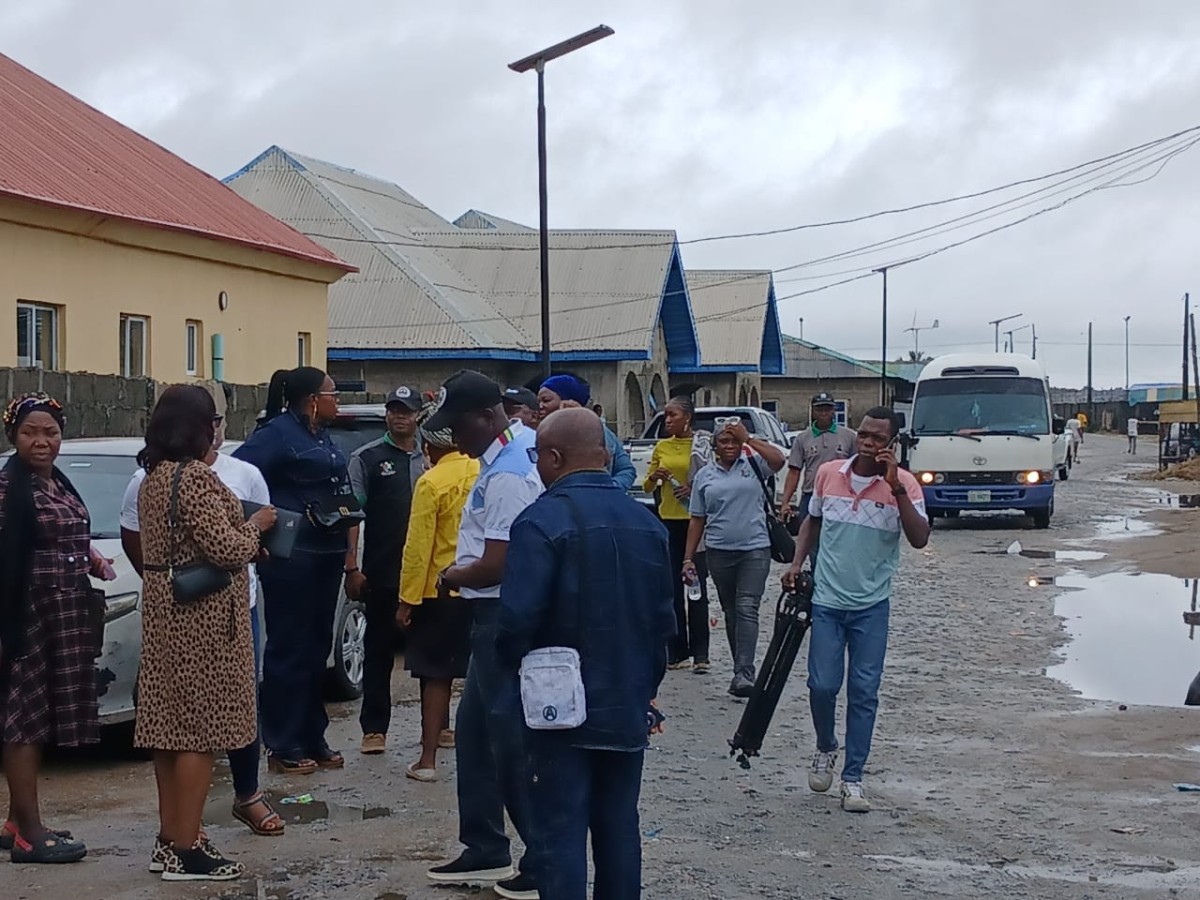
At a time when many cultural festivals struggle to remain relevant in modern society, Kayokayo has shown that tradition can be preserved while addressing contemporary social needs.
By combining history with healthcare, humanitarian service and community development, the festival has become more than an annual celebration; it has become a platform for social impact.
As Epe marks 175 years of this remarkable tradition, the Kayokayo Festival offers an important lesson to communities across Nigeria. Culture is not merely about remembering the past. When deliberately harnessed, it can improve public health, stimulate local economies, strengthen social bonds and inspire collective responsibility.
That is perhaps the enduring legacy of Kayokayo, not simply that it honours the arrival of King Kosoko in 1851, but that it continues to improve the lives of the people who proudly keep that history alive.
FURTHER READING