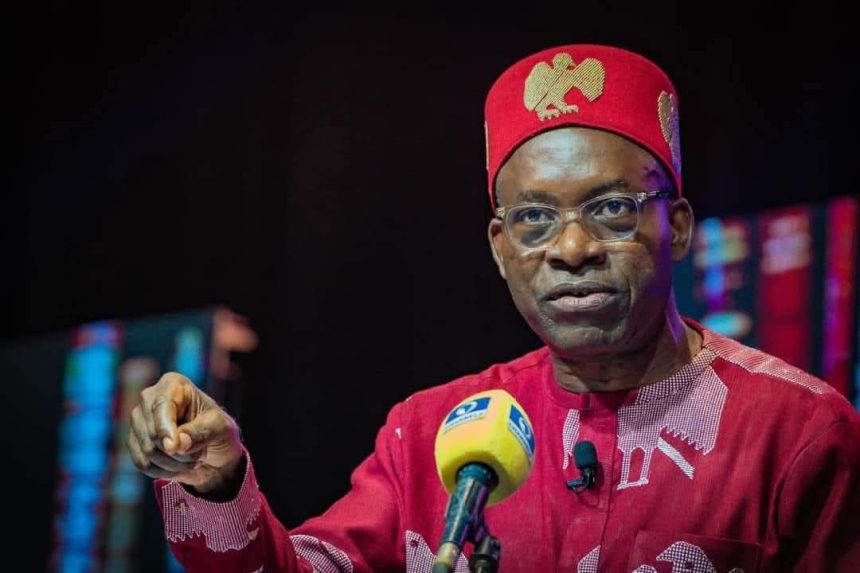
On Monday morning, Anambra State Governor Chukwuma Soludo arrived unannounced at Onitsha main market to find a familiar scene: shuttered shops, empty stalls, and commerce grinding to a halt.
His response was ordering the market closed for one week, with threats to extend the closure to a month if traders fail to open for business the following Monday.
EDITOR’S PICKS
The move has sparked debate about how to address a crisis that has paralysed south-eastern Nigeria for over four years, with questions emerging about whether punitive measures can resolve a problem rooted in fear, economic marginalisation, and contested authority.
Since August 2021, the region has endured a crippling cycle of Monday sit-at-home orders, initially declared by the Indigenous People of Biafra (IPOB) following the arrest of their leader, Nnamdi Kanu. What began as weekly protests demanding Kanu’s release has evolved into an economic and security disaster affecting five states: Abia, Anambra, Ebonyi, Enugu, and Imo.
The financial toll has been staggering. The region has recorded estimated losses of N7.6 trillion over four years, with transporters alone forfeiting up to N13 billion daily during the protests. Commercial hubs like Onitsha’s main market and Aba’s Ariaria International Market — once bustling centres of West African trade — effectively become ghost towns every Monday. Key sectors including trade, transportation, and small businesses have been crippled, with income losses averaging between 50 and 70 per cent.
Beyond economics, the human cost has been severe. Between 2021 and 2025, 332 attacks linked to the sit-at-home directive resulted in 776 deaths, with Imo State bearing the brunt of the violence. Fear, rather than ideological support, now drives compliance in many areas, even though IPOB officially cancelled the Monday orders.
Soludo’s intervention signals an attempt to reassert governmental authority in a region where the state’s control has been openly challenged. By shutting down the market himself, the governor appears to reclaim the power to determine when commerce occurs. “If you want to do business, you come; if not, you can go home,” Soludo declared during his inspection. “If you must trade here, you must abide by the rules.”
However, the approach raises difficult questions. Traders now face pressure from two directions: potential violence from separatist enforcers if they open on Mondays, and government sanctions if they do not. For many, the Monday closures are less about political allegiance than personal safety — a rational response to documented attacks and killings.
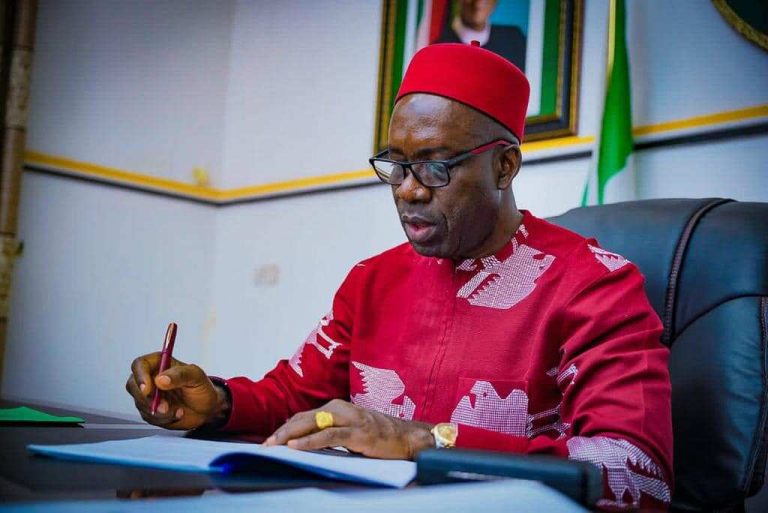
The strategy extends beyond market closures. The Anambra government has also announced plans to deduct salaries from civil servants who fail to report to work on Mondays, arguing that the security situation no longer justifies continued closures. Yet whether security has genuinely improved remains unknown, particularly as splinter groups continue to issue threats.
The governor’s move comes months after some significant developments. Months before Soludo’s market visit, specifically November 20, 2025, a federal high court sentenced Nnamdi Kanu to life imprisonment on terrorism-related charges. National Security Adviser Nuhu Ribadu declared in May 2025 that sit-at-home orders are “no longer effective,” with support reportedly dropping from over 80 per cent in 2021 to just 29 per cent today.
Critics of Soludo’s approach argue that punishing traders who are themselves victims of intimidation fails to address root causes. They question whether forcing compliance through sanctions can succeed where dialogue and the promise of protection might prove more effective.
Supporters counter that decisive action is necessary after four years of economic devastation, and that allowing parallel authority structures to persist undermines governance and prolongs the crisis.
FURTHER READING
The Onitsha market closure represents a test case that other south-eastern governors will watch closely. Whether this confrontational approach breaks the cycle of compliance or deepens the standoff between government, separatists, and civilians caught between them remains uncertain.
Philip Ibitoye is a Special Correspondent with EKO HOT BLOG. Click here to find daily analysis and critical insight on trending issues in Lagos and other parts of Nigeria.
Click here to watch the video of the week below: