- The red chamber has officially cleared the 2026 budget proposal for the Nigeria Customs Service, setting an unprecedented N11.074 trillion generation target for the fiscal year.
- Out of the approved N1.295 trillion total corporate expenditure, the agency has channeled a massive N565 billion toward capital projects, signaling a strong focus on structural expansion over basic overheads.
- The legislative approval follows an outstanding 2025 performance review, during which Customs beat its baseline N6.5 trillion projection by pulling in over N7.2 trillion.
The Nigerian Senate on Wednesday officially approved the 2026 corporate budget proposal for the Nigeria Customs Service (NCS), ratifying an ambitious revenue generation target of N11.074 trillion alongside a total operational expenditure projection of N1.295 trillion for the 2026 fiscal year.
Eko Hot Blog reports that the clean legislative bill was passed during a full plenary session following the thorough presentation, review, and unanimous adoption of the statutory report submitted by the Senate Committee on Customs, Excise, and Tariffs.
EDITOR’S PICK
- Hamzat Appoints Obanikoro as Campaign DG Ahead of 2027 Lagos Governorship Race
- Tinubu’s State Police Plan Gains Momentum as Amendment Looms
- Residents Raise Alarm After Two Bodies Found in Lagos Waterway
While detailing the strategic document before the floor of the house, the Committee Chairman, Senator Isah Jibrin, explained that the legislative panel meticulously analyzed the agency’s previous economic performance before granting legal approvals for the new fiscal year’s estimates.
He highlighted that despite dealing with major external economic headwinds, the Customs Service dramatically outperformed its 2025 baseline revenue assignment of N6.5 trillion, successfully raking in N7.2 trillion to mark a phenomenal 110.53 percent performance record.
Senator Jibrin clarified that the agency’s revenue volumes could have comfortably reached higher margins if not for critical, pro-people interventions implemented by the executive arm.
He specifically listed the temporary suspension of excise duties on telecommunications services, proactive fiscal policy adjustments designed to boost the local manufacturing of medical products, and prolonged supply chain disruptions linked to the Russia-Ukraine war, which significantly impacted global grain shipping and reduced wheat import volumes, as factors that limited trade volumes.
Regarding the newly approved N1.295 trillion expenditure portfolio for 2026, the committee confirmed that N421 billion has been dedicated to personnel welfare costs, N307 billion for administrative overhead operations, and a substantial N565 billion reserved strictly for execution of vital capital projects.
The legislative report noted that the funding for this comprehensive budget will be drawn directly from the statutory four percent Free on Board (FOB) monitoring levy granted to the agency under the newly enacted Nigeria Customs Service Act of 2023.
Contributing to the plenary debates, Deputy Senate President Barau Jibrin highly commended the Comptroller-General of Customs and the entire rank-and-file workforce for demonstrating excellent financial prudence.
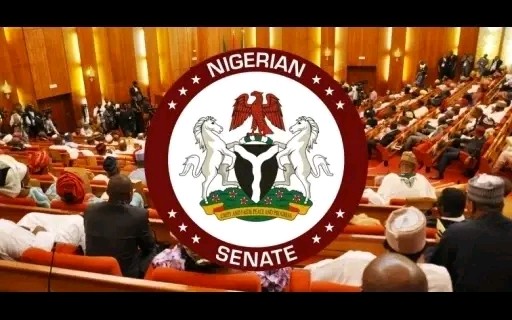
He pointed out that while the agency had access to an approved N1.132 trillion budget in 2025, it only spent N591 billion due to administrative delays in procurement clearances from the Bureau of Public Procurement (BPP) and the Federal Executive Council (FEC), rolling the pending infrastructural developments over into 2026 rather than wasting funds on unnecessary recurrent lines.
Barau asserted that this level of fiscal discipline and robust asset generation fully vindicated the decision made by President Bola Tinubu to extend the operational tenure of the current Comptroller-General.
Following the ringing endorsements from lawmakers, Senate President Godswill Akpabio called for a formal voice vote, leading to a unanimous legislative passage.
Akpabio tasked the Customs leadership to deploy advanced tracking technology, real-time auditing models, and aggressive anti-smuggling frameworks to hit the multi-trillion naira target, providing the federal government with vital non-oil liquidity to minimize international borrowing dependencies.